Nikiforov M A, Gudkov A V
Institute of Carcinogenesis, Cancer Research Center, Moscow, Russian Federation.
J Virol. 1994 Feb;68(2):846-53. doi: 10.1128/JVI.68.2.846-853.1994.
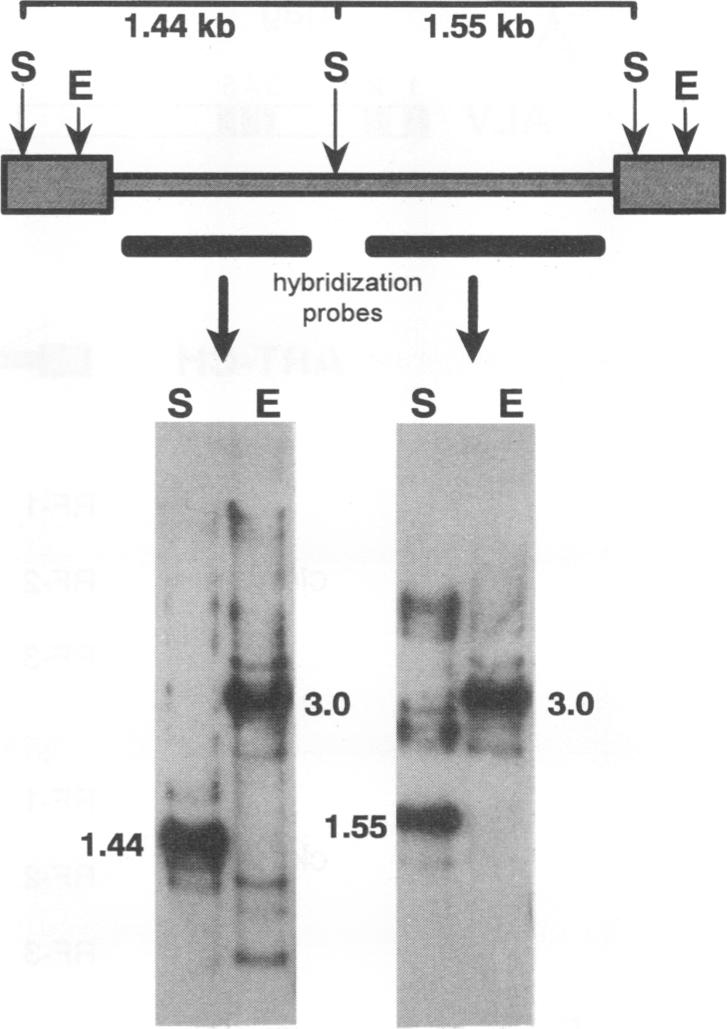
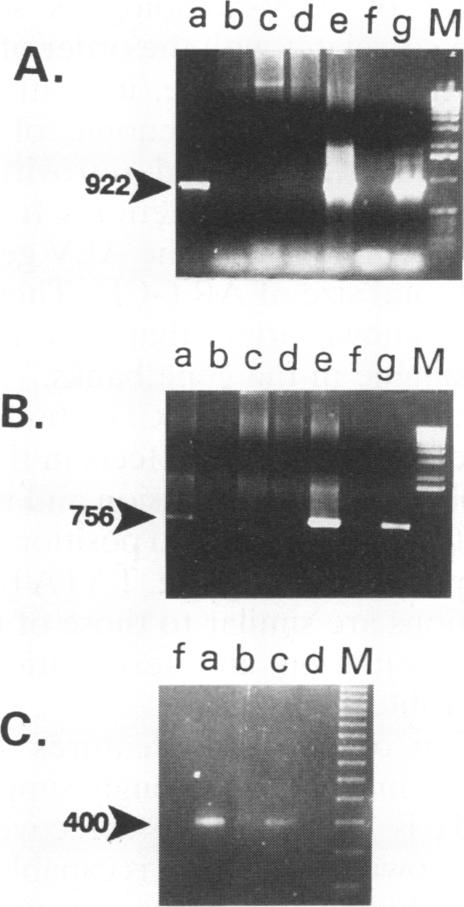
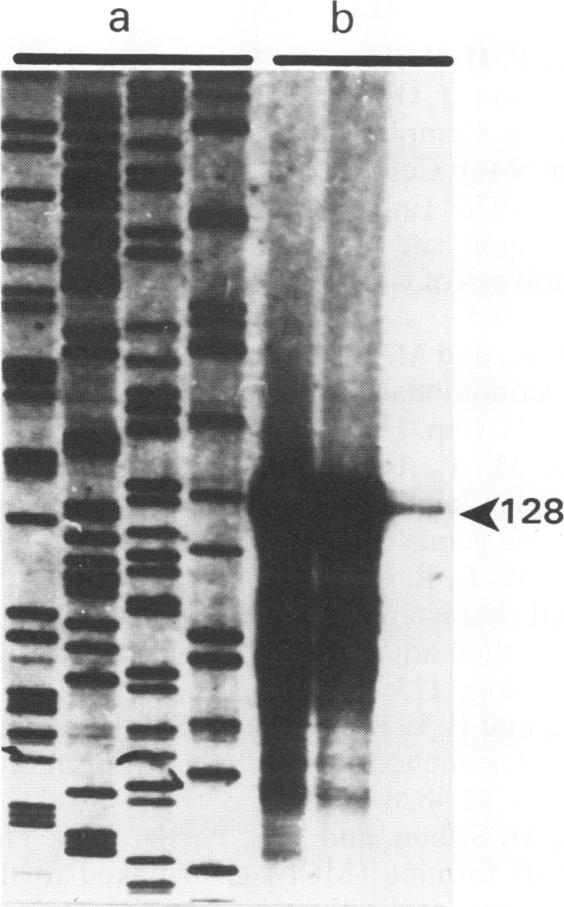
The complete sequence of ART-CH, a recently found chicken retrotransposon (A. V. Gudkov, E. A. Komarova, M. A. Nikiforov, and T. E. Zaitsevskaya, J. Virol. 66:1726-1736, 1992), was characterized. ART-CH has the structure of a 3,300-bp-long provirus, including two 388-bp long terminal repeats (LTRs) (U3, 245 bp; R region, 17 bp; and U5, 126 bp), a tRNA(Trp)-binding site, and a polypurine tract, similar to avian leukosis viruses. At least some of the approximately 50 genomic copies of ART-CH are transcribed into polyadenylated RNA, which is initiated and terminated at the expected sites within the LTRs. In contrast to the regulatory sequences involved in proviral expression and replication, the internal regions of ART-CH seem to be completely defective. Several short regions of homology with avian leukosis virus genes, most of which encode gag-related sequences, were found among different reading frames of ART-CH, which are not organized like regular retroviral genes. Both sequence analysis and restriction fragment length polymorphism analysis revealed a high degree of sequence (97% homology) and structural similarity among members of the ART-CH family, indicating their common origin and recent penetration into chicken DNA. ART-CH sequences were detected in mouse cells infected with Rous sarcoma virus produced by an ART-CH-expressing Rous sarcoma. These data are consistent with the hypothesis that ART-CH belongs to a class of defective retrotransposons whose replication strategy requires the use of helper viruses. They might originate from an avian leukosis virus-related retrovirus which completely lost its coding capacities as a result of multiple mutations and deletions. These features apparently group ART-CH with the VL30 retrotransposons of rodents.
对最近发现的鸡逆转录转座子ART-CH(A. V. 古德科夫、E. A. 科马罗娃、M. A. 尼基福罗夫和T. E. 扎伊采夫斯卡娅,《病毒学杂志》66:1726 - 1736,1992)的完整序列进行了表征。ART-CH具有一个3300碱基对长的前病毒结构,包括两个388碱基对长的末端重复序列(LTRs)(U3,245碱基对;R区域,17碱基对;U5,126碱基对)、一个tRNA(Trp)结合位点和一个多聚嘌呤序列,类似于禽白血病病毒。ART-CH大约50个基因组拷贝中至少有一些被转录成聚腺苷酸化RNA,其在LTRs内的预期位点起始和终止。与前病毒表达和复制所涉及的调控序列不同,ART-CH的内部区域似乎完全有缺陷。在ART-CH的不同阅读框中发现了与禽白血病病毒基因的几个短同源区域,其中大多数编码与gag相关的序列,这些区域的组织方式不像常规逆转录病毒基因那样。序列分析和限制性片段长度多态性分析均显示ART-CH家族成员之间具有高度的序列同源性(97%)和结构相似性,表明它们有共同的起源且近期才侵入鸡的DNA。在用表达ART-CH的劳斯肉瘤产生的劳斯肉瘤病毒感染的小鼠细胞中检测到了ART-CH序列。这些数据与以下假设一致,即ART-CH属于一类缺陷性逆转录转座子,其复制策略需要借助辅助病毒。它们可能起源于一种与禽白血病病毒相关的逆转录病毒,该病毒由于多次突变和缺失而完全丧失了编码能力。这些特征显然将ART-CH与啮齿动物的VL30逆转录转座子归为一类。