Chandler F W, Kraus S J, Watts J C
Infect Immun. 1976 Mar;13(3):909-14. doi: 10.1128/iai.13.3.909-914.1976.
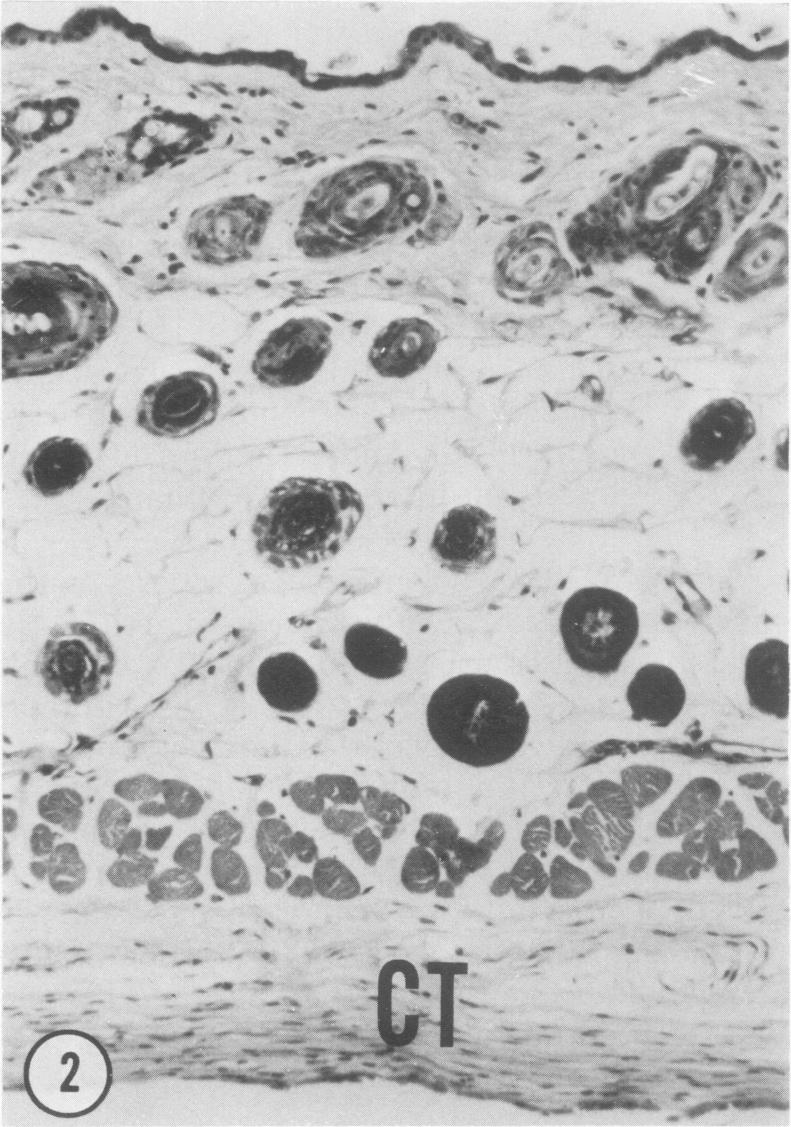
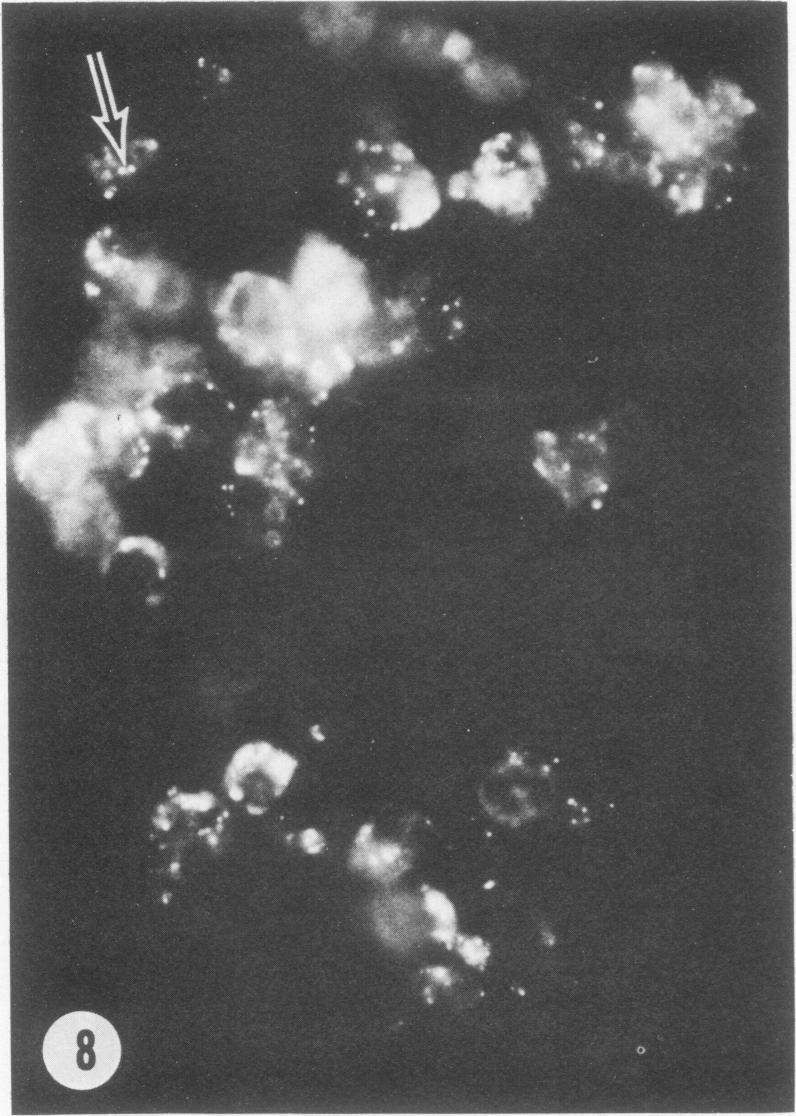
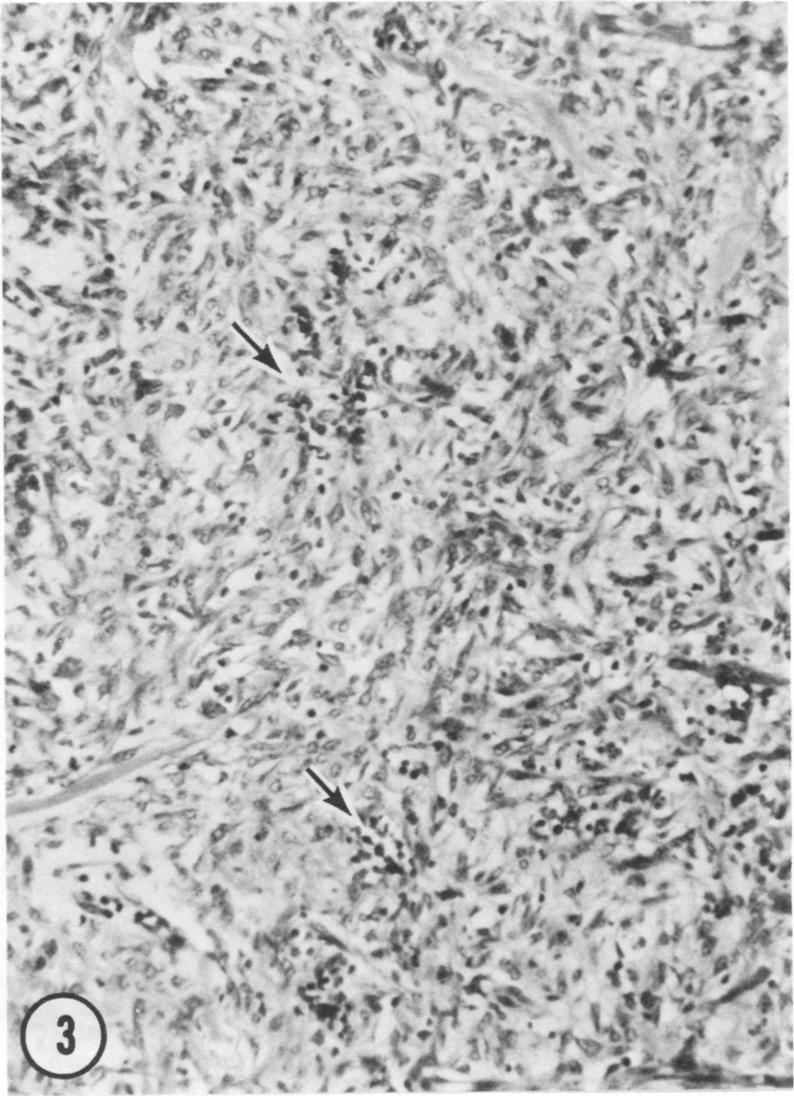
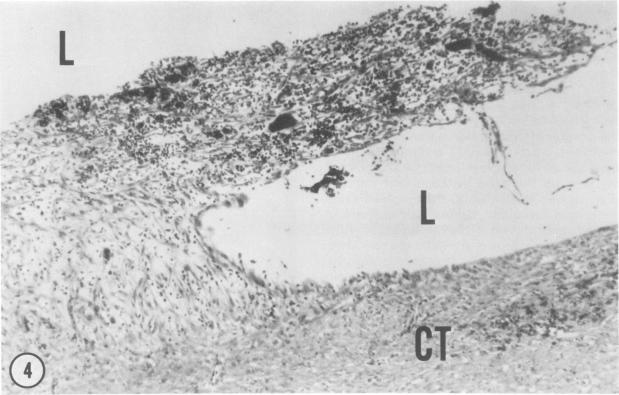
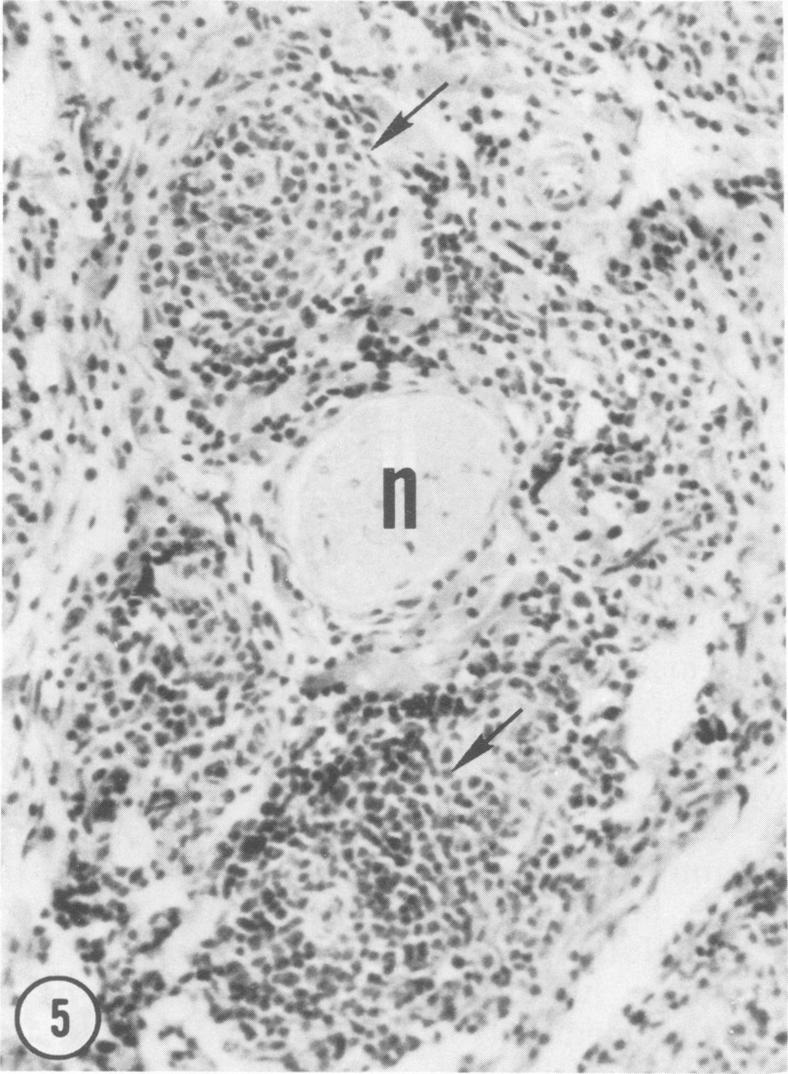
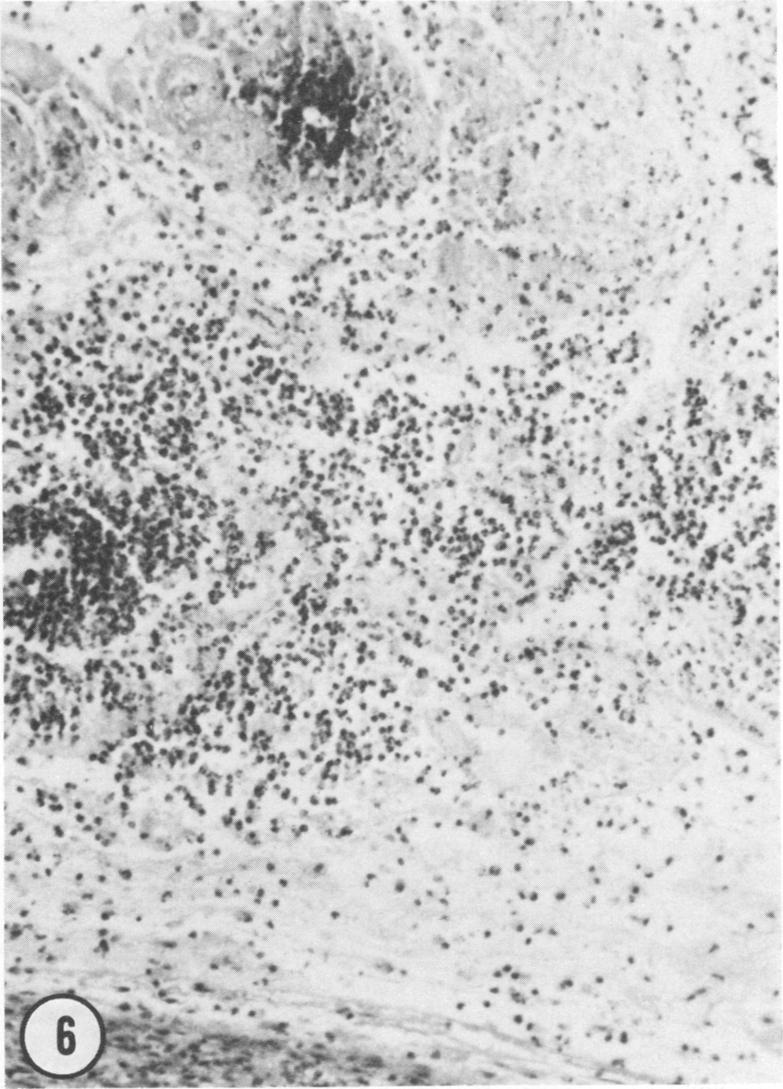
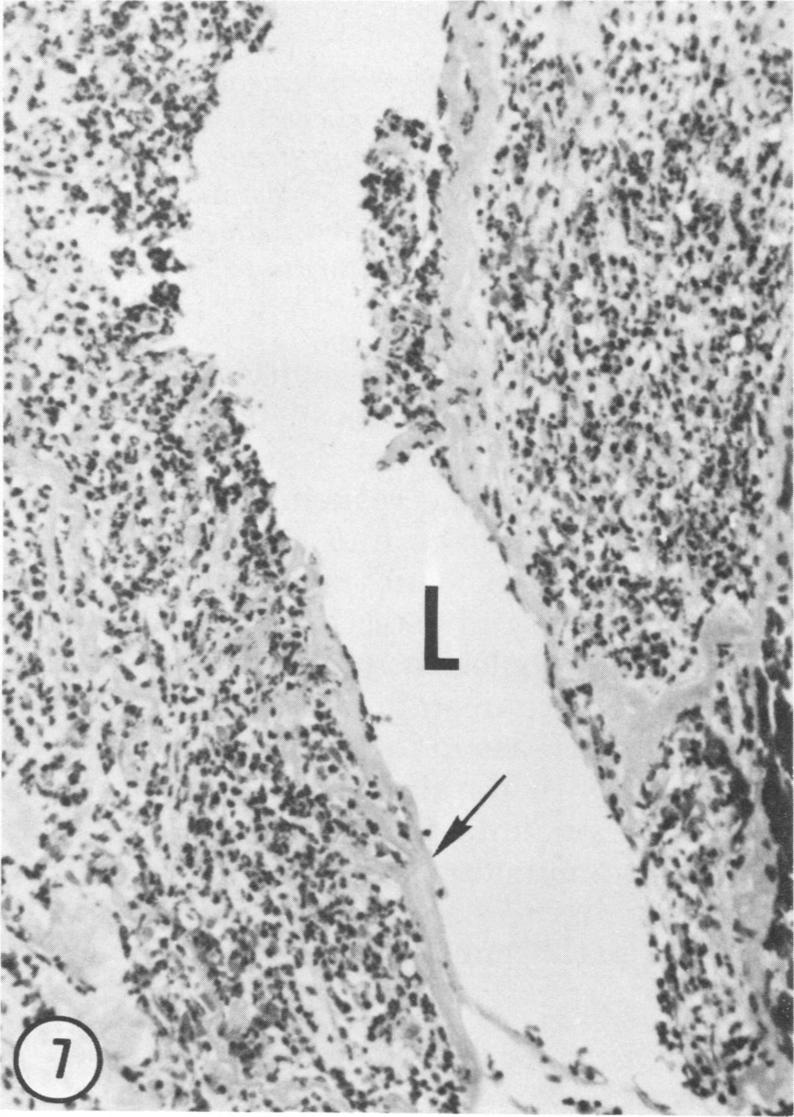
The histopathological and immunofluorescent findings in tissues within and surrounding artificially created subcutaneous tissue cavities infected with Neisseria gonorrhoeae for 1 to 30 days were studied in mice and guinea pigs. Findings in the tissue cavities of the animal models were similar to the findings of disseminated gonococcal infection in humans. These similarities included an intense persistent polymorphonuclear leukocytic response with tissue necrosis, hemorrhage into the early lesion, a perivascular leukocytic response in adjacent tissue, difficulty in detecting large numbers of discrete morphologically typical gonococci by the tissue Gram stain and direct fluorescent antibody techniques, a decrease in the number of identifiable gonococci with duration of the infection, and moderate amounts of extracellular and intracellular immunofluorescent gonococcal debris. Studies into the pathogenesis of the animal infections may enhance our understanding of the pathogenic mechanism (s) associated with gonococcal infection in humans.
在小鼠和豚鼠中,研究了人工制造的皮下组织腔及其周围组织感染淋病奈瑟菌1至30天后的组织病理学和免疫荧光结果。动物模型组织腔中的发现与人类播散性淋球菌感染的发现相似。这些相似之处包括强烈持续的多形核白细胞反应伴组织坏死、早期病变内出血、相邻组织的血管周围白细胞反应、通过组织革兰氏染色和直接荧光抗体技术难以检测到大量形态典型的离散淋球菌、可识别的淋球菌数量随感染持续时间减少,以及中等量的细胞外和细胞内免疫荧光淋球菌碎片。对动物感染发病机制的研究可能会增进我们对人类淋球菌感染相关致病机制的理解。