Michieletti P, Wanless I R, Katz A, Scheuer P J, Yeaman S J, Bassendine M F, Palmer J M, Heathcote E J
Department of Medicine, University of Newcastle upon Tyne.
Gut. 1994 Feb;35(2):260-5. doi: 10.1136/gut.35.2.260.
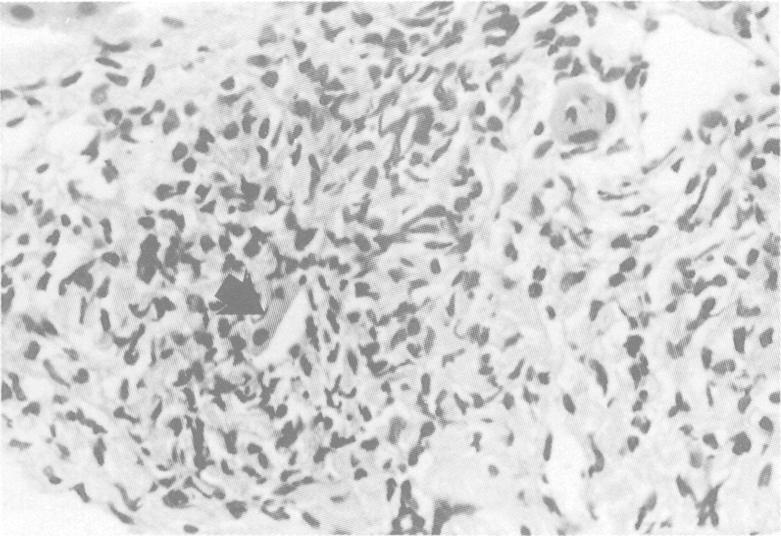
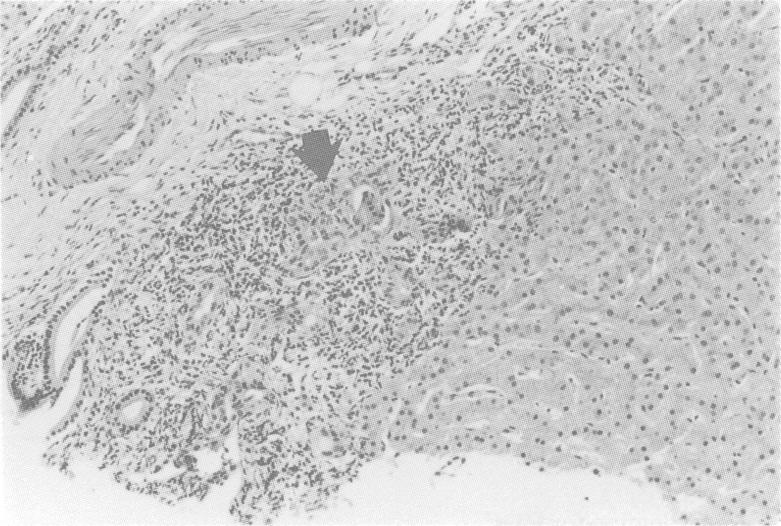
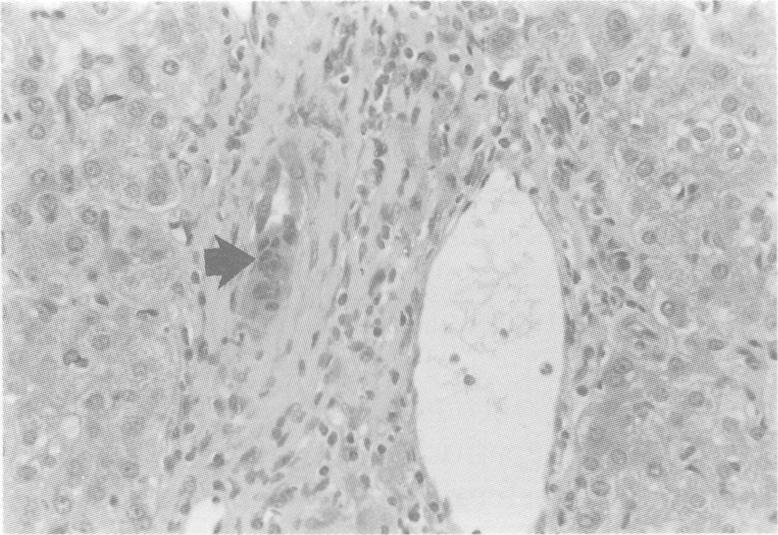
This study reports on a group of 20 patients with an initial diagnosis of primary biliary cirrhosis (PBC) whose serum tested negative for antimitochondrial antibodies by immunofluorescence. All had a clinical history compatible with primary biliary cirrhosis, and results of biochemical, histological, and radiological investigations were consistent with this diagnosis despite the absence of antimitochondrial antibodies by immunofluorescence. For comparison, these patients were matched for sex and serum bilirubin with 20 antimitochondrial antibody positive (> 1:160) and histologically confirmed primary biliary cirrhosis patients who served as controls. Serum samples from both groups were retested blindly for antimitochondrial antibodies using immunoblotting and for antibodies to the major M2 mitochondrial autoantigens by enzyme linked immunosorbent assay (ELISA). Three antimitochondrial antibody immunofluorescence negative patients had antimitochondrial antibodies by immunoblotting and ELISA; the remaining 17 patients were confirmed negative by all methods. The antimitochondrial antibody immunofluorescence positive controls were verified by immunoblotting or ELISA, or both. All 17 patients negative for antimitochondrial antibodies had antinuclear antibodies, often in high titres, compared with 3/17 of the antimitochondrial antibody positive controls (p = 0.0001). Additionally, the antimitochondrial antibody negative group also had significantly higher smooth muscle antibody titres (p = 0.03) and lower serum IgM (p = 0.01) and aspartate aminotransferase (p = 0.03) activities than the antimitochondrial antibody positive controls. Analysis of clinical findings, histological tests, serum bilirubin, alkaline phosphatase, alanine aminotransferase, and IgG, disclosed no significant differences between the two groups. This paper describes a group of patients with the clinical and histological features of PBC but who do not fulfil the usual criteria necessary to make this diagnosis. Because they also have very high titres of antinuclear antibodies, smooth muscle antibodies, and comparatively low IgM and aspartate aminotransferase activities, we believe they are distinct from PBC and have a syndrome of autoimmune cholangitis.
本研究报告了一组初步诊断为原发性胆汁性肝硬化(PBC)的20例患者,其血清经免疫荧光检测抗线粒体抗体呈阴性。所有患者均有与原发性胆汁性肝硬化相符的临床病史,尽管免疫荧光检测未发现抗线粒体抗体,但生化、组织学和放射学检查结果均与该诊断一致。为作比较,将这些患者按性别和血清胆红素水平与20例抗线粒体抗体阳性(>1:160)且经组织学确诊的原发性胆汁性肝硬化患者进行匹配,后者作为对照。两组的血清样本均采用免疫印迹法对抗线粒体抗体进行盲法复测,并采用酶联免疫吸附测定(ELISA)检测针对主要M2线粒体自身抗原的抗体。3例抗线粒体抗体免疫荧光检测阴性的患者经免疫印迹法和ELISA检测发现存在抗线粒体抗体;其余17例患者经所有方法检测均为阴性。抗线粒体抗体免疫荧光检测阳性的对照通过免疫印迹法或ELISA法或两者进行验证。与17例抗线粒体抗体阳性对照中的3例(p = 0.0001)相比,所有17例抗线粒体抗体阴性的患者均有抗核抗体,且通常滴度较高。此外,抗线粒体抗体阴性组的平滑肌抗体滴度也显著更高(p = 0.0),血清IgM(p = 0.01)和天冬氨酸转氨酶(p = 0.03)活性则低于抗线粒体抗体阳性对照。对临床发现、组织学检查、血清胆红素、碱性磷酸酶、丙氨酸转氨酶和IgG的分析显示,两组之间无显著差异。本文描述了一组具有原发性胆汁性肝硬化临床和组织学特征但不符合该诊断通常所需标准的患者。由于他们还具有非常高滴度的抗核抗体、平滑肌抗体,以及相对较低的IgM和天冬氨酸转氨酶活性,我们认为他们有别于原发性胆汁性肝硬化,患有自身免疫性胆管炎综合征。