Ishiguro A, Homma M, Torii S, Tanaka K
Laboratory of Medical Mycology, Nagoya University School of Medicine, Japan.
Infect Immun. 1992 Apr;60(4):1550-7. doi: 10.1128/iai.60.4.1550-1557.1992.
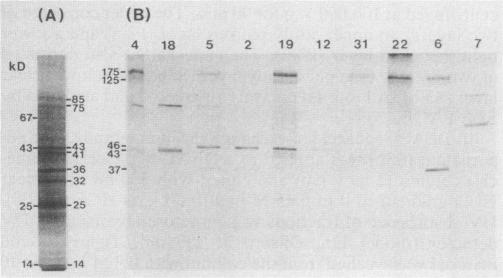
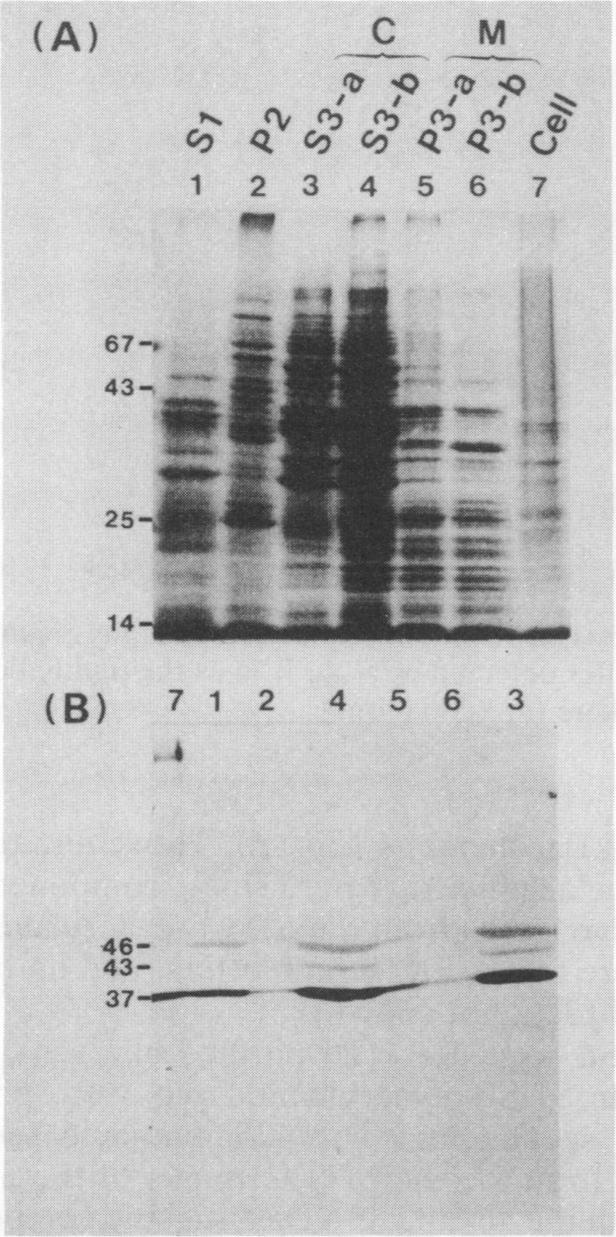
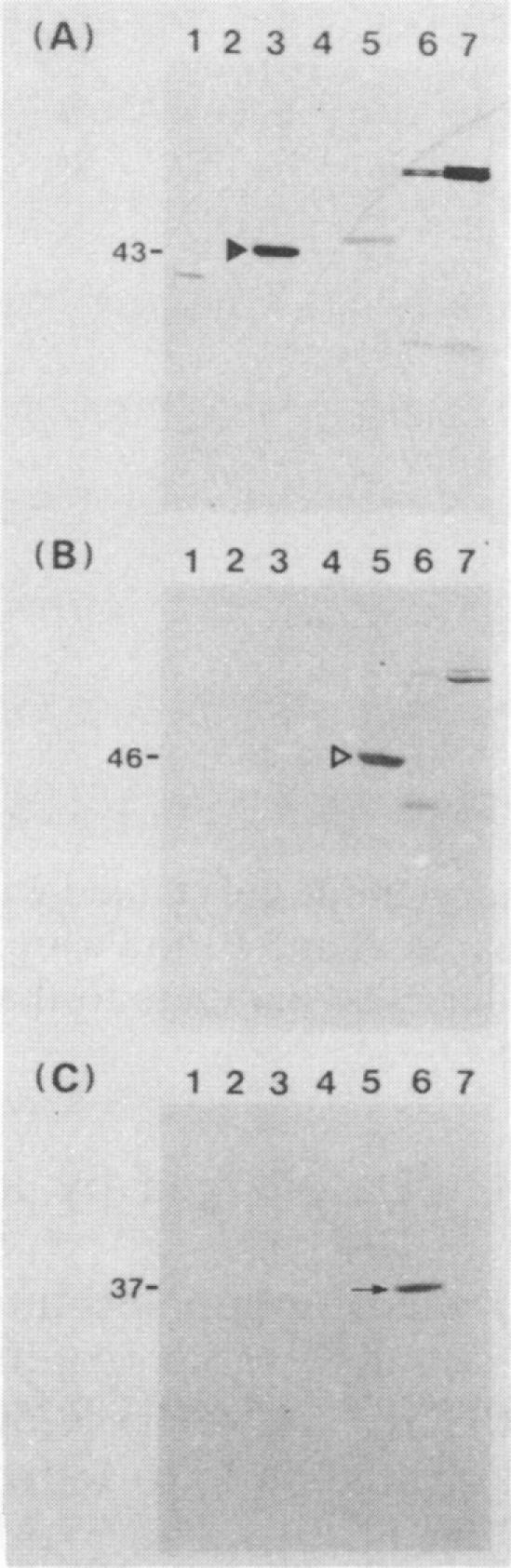
Candida albicans antigens which reacted with immunoglobulin E (IgE) antibodies of 57 allergic patients were detected by immunoblotting. Of the various antigens, the 175-, 125-, 46-, 43-, and 37-kDa antigenic components reacted most frequently with the patient sera. To purify the major antigens, C. albicans cells were fractionated. The 46-, 43-, and 37-kDa antigens were recovered in cytoplasmic fractions, but the 175- and 125-kDa antigens were not recovered in any fraction. The 46-, 43-, and 37-kDa antigens were purified from cytoplasmic fractions by DEAE and P11 ion-exchange chromatography. Antigens were isolated by cutting bands out of sodium dodecyl sulfate-polyacrylamide gels. The purified components confirmed by immunoblotting were next processed for amino acid sequencing. Parts of the sequences of the 46-, 43-, and 37-kDa antigens had significant levels of homology with Saccharomyces cerevisiae glycolytic enzyme enolase, phosphoglycerate kinase, and aldolase, respectively. Rabbit IgG antibodies prepared against the 46- and 43-kDa antigens strongly cross-reacted with the homologous proteins of S. cerevisiae. However, S. cerevisiae enolase and phosphoglycerate kinase did not cross-react with IgE of patient sera. This result suggests that IgE antibodies against only small parts of their epitopes are elevated in the allergic patients. Since enolase is reported to be a major antigen for systemic candidiasis, this enzyme may be the immunodominant protein in both allergies and fungal infections.
通过免疫印迹法检测了与57例过敏患者的免疫球蛋白E(IgE)抗体发生反应的白色念珠菌抗原。在各种抗原中,175 kDa、125 kDa、46 kDa、43 kDa和37 kDa的抗原成分与患者血清反应最为频繁。为了纯化主要抗原,对白色念珠菌细胞进行了分级分离。46 kDa、43 kDa和37 kDa的抗原存在于细胞质分级分离物中,但175 kDa和125 kDa的抗原在任何分级分离物中均未检出。通过DEAE和P11离子交换色谱法从细胞质分级分离物中纯化了46 kDa、43 kDa和37 kDa的抗原。通过从十二烷基硫酸钠-聚丙烯酰胺凝胶中切下条带分离抗原。接下来,对经免疫印迹法确认的纯化成分进行氨基酸测序。46 kDa、43 kDa和37 kDa抗原的部分序列分别与酿酒酵母糖酵解酶烯醇化酶、磷酸甘油酸激酶和醛缩酶具有显著的同源性。针对46 kDa和第43 kDa抗原制备的兔IgG抗体与酿酒酵母的同源蛋白发生强烈交叉反应。然而,酿酒酵母烯醇化酶和磷酸甘油酸激酶与患者血清的IgE不发生交叉反应。这一结果表明,过敏患者体内仅针对其表位小部分的IgE抗体升高。由于烯醇化酶据报道是系统性念珠菌病的主要抗原,该酶可能是过敏和真菌感染中的免疫显性蛋白。