Chao Kuo Ching, Chao Kuo Fang, Fu Yu Show, Liu Shing Hwa
Institute of Toxicology, College of Medicine, National Taiwan University, Taipei, Taiwan.
PLoS One. 2008 Jan 16;3(1):e1451. doi: 10.1371/journal.pone.0001451.
There is a widespread interest in developing renewable sources of islet-replacement tissue for type I diabetes mellitus. Human mesenchymal cells isolated from the Wharton's jelly of the umbilical cord (HUMSCs), which can be easily obtained and processed compared with embryonic and bone marrow stem cells, possess stem cell properties. HUMSCs may be a valuable source for the generation of islets.
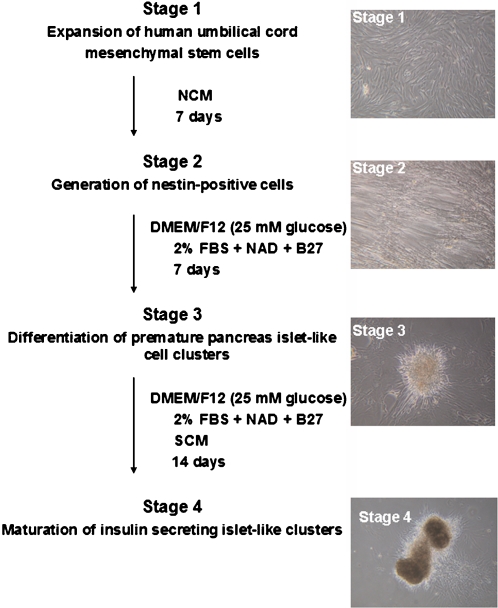
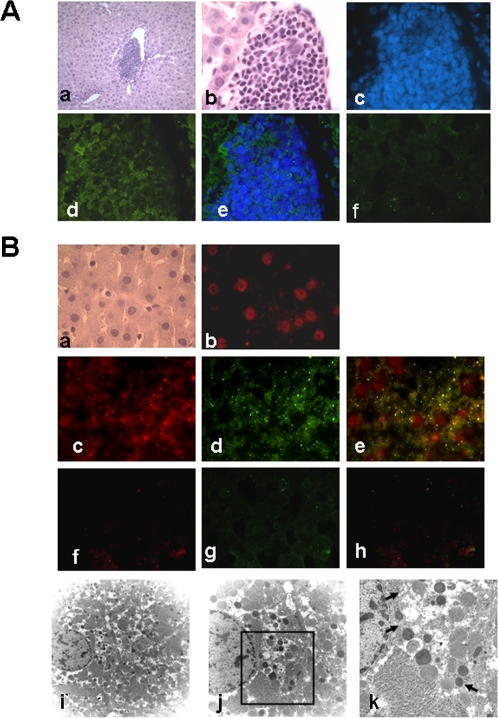
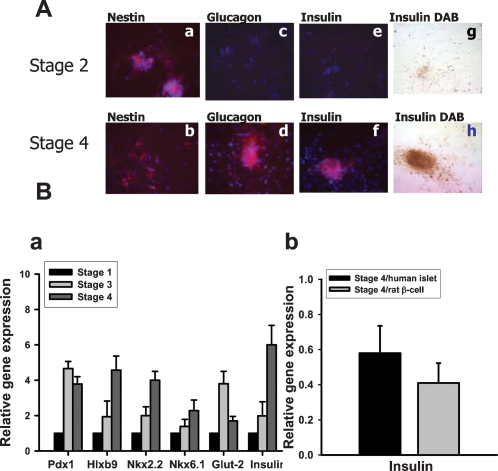
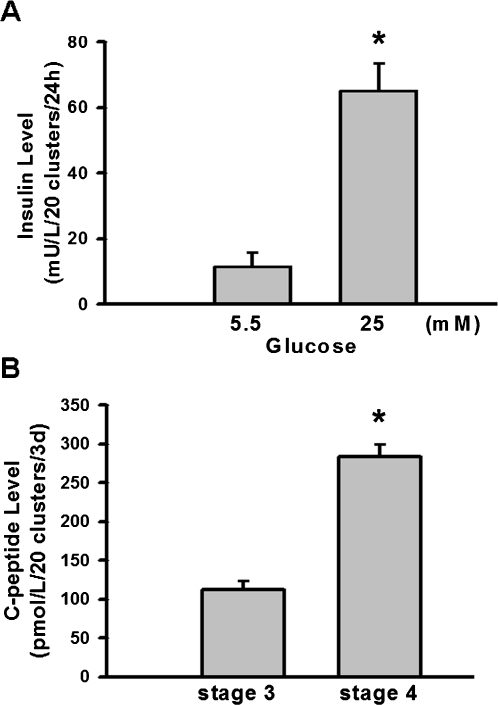
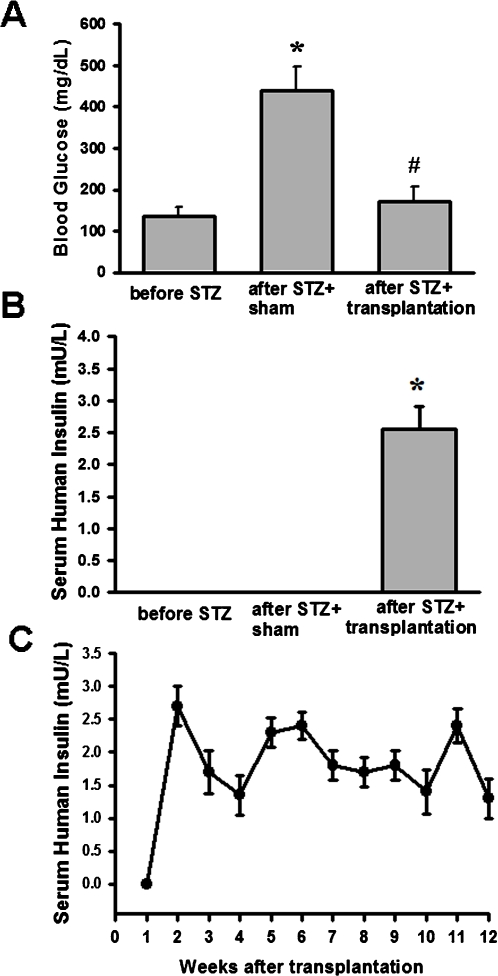
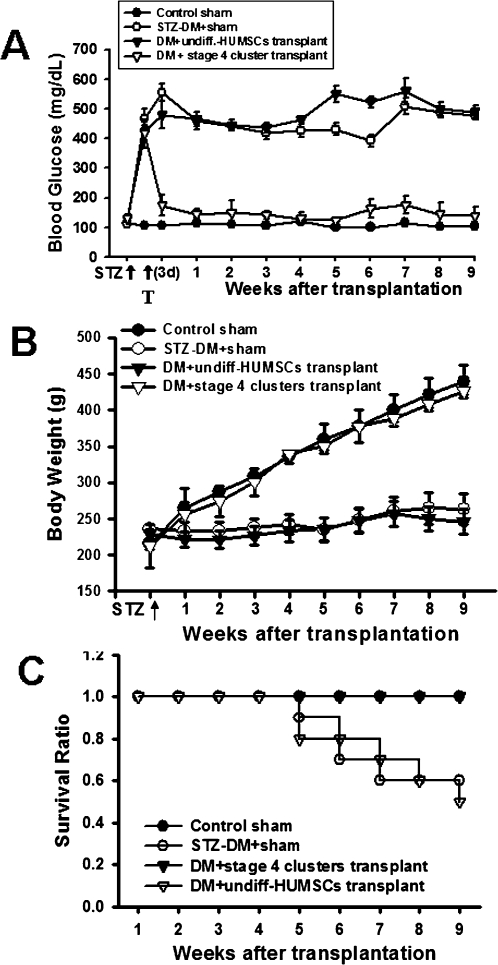
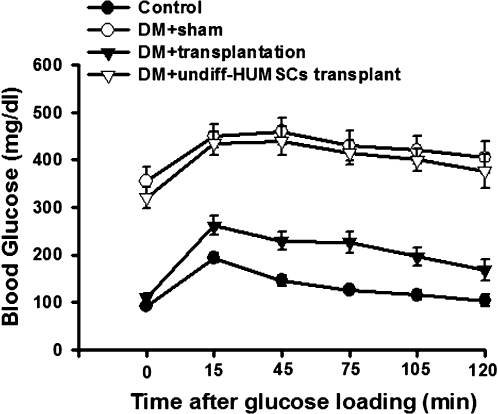
HUMSCs were induced to transform into islet-like cell clusters in vitro through stepwise culturing in neuron-conditioned medium. To assess the functional stability of the islet-like cell clusters in vivo, these cell clusters were transplanted into the liver of streptozotocin-induced diabetic rats via laparotomy. Glucose tolerance was measured on week 12 after transplantation accompanied with immunohistochemistry and electron microscopy analysis. These islet-like cell clusters were shown to contain human C-peptide and release human insulin in response to physiological glucose levels. Real-time RT-PCR detected the expressions of insulin and other pancreatic beta-cell-related genes (Pdx1, Hlxb9, Nkx2.2, Nkx6.1, and Glut-2) in these islet-like cell clusters. The hyperglycemia and glucose intolerance in streptozotocin-induced diabetic rats was significantly alleviated after xenotransplantation of islet-like cell clusters, without the use of immunosuppressants. In addition to the existence of islet-like cell clusters in the liver, some special fused liver cells were also found, which characterized by human insulin and nuclei-positive staining and possessing secretory granules.
In this study, we successfully differentiate HUMSCs into mature islet-like cell clusters, and these islet-like cell clusters possess insulin-producing ability in vitro and in vivo. HUMSCs in Wharton's Jelly of the umbilical cord seem to be the preferential source of stem cells to convert into insulin-producing cells, because of the large potential donor pool, its rapid availability, no risk of discomfort for the donor, and low risk of rejection.
开发用于I型糖尿病的胰岛替代组织的可再生来源受到广泛关注。从脐带华通氏胶中分离出的人间充质细胞(HUMSCs)具有干细胞特性,与胚胎干细胞和骨髓干细胞相比,其易于获取和处理。HUMSCs可能是生成胰岛的宝贵来源。
通过在神经元条件培养基中逐步培养,将HUMSCs体外诱导转化为胰岛样细胞簇。为评估胰岛样细胞簇在体内的功能稳定性,经剖腹术将这些细胞簇移植到链脲佐菌素诱导的糖尿病大鼠肝脏中。移植后第12周测量葡萄糖耐量,并进行免疫组织化学和电子显微镜分析。这些胰岛样细胞簇显示含有人类C肽,并在生理葡萄糖水平下释放人胰岛素。实时逆转录聚合酶链反应(RT-PCR)检测了这些胰岛样细胞簇中胰岛素及其他胰腺β细胞相关基因(Pdx1、Hlxb9、Nkx2.2、Nkx6.1和Glut-2)的表达。胰岛样细胞簇异种移植后,链脲佐菌素诱导的糖尿病大鼠的高血糖和葡萄糖不耐受得到显著缓解,且无需使用免疫抑制剂。除肝脏中存在胰岛样细胞簇外,还发现了一些特殊的融合肝细胞,其特征为人胰岛素和细胞核阳性染色,并具有分泌颗粒。
在本研究中,我们成功地将HUMSCs分化为成熟的胰岛样细胞簇,这些胰岛样细胞簇在体外和体内均具有产生胰岛素的能力。脐带华通氏胶中的HUMSCs似乎是转化为胰岛素产生细胞的优先干细胞来源,因为其潜在供体库大、可快速获取、供体无不适风险且排斥风险低。