Department of Biomedical Sciences, School of Dental Medicine, University of Nevada, Las Vegas, USA.
Evid Based Complement Alternat Med. 2011;2011:467691. doi: 10.1093/ecam/nen047. Epub 2010 Oct 18.
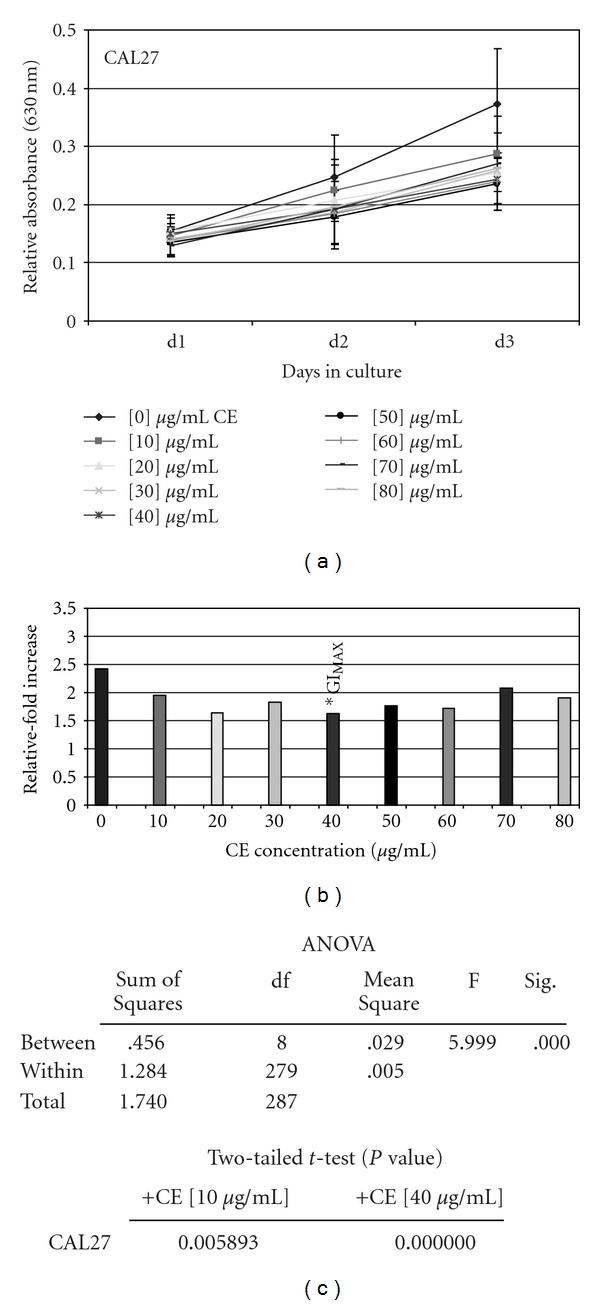
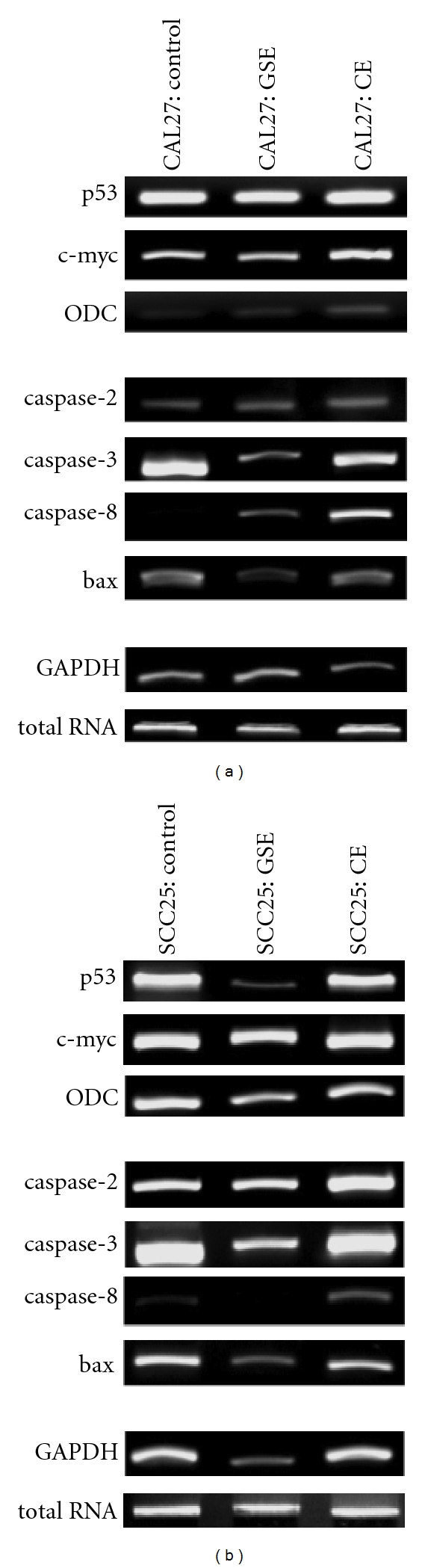
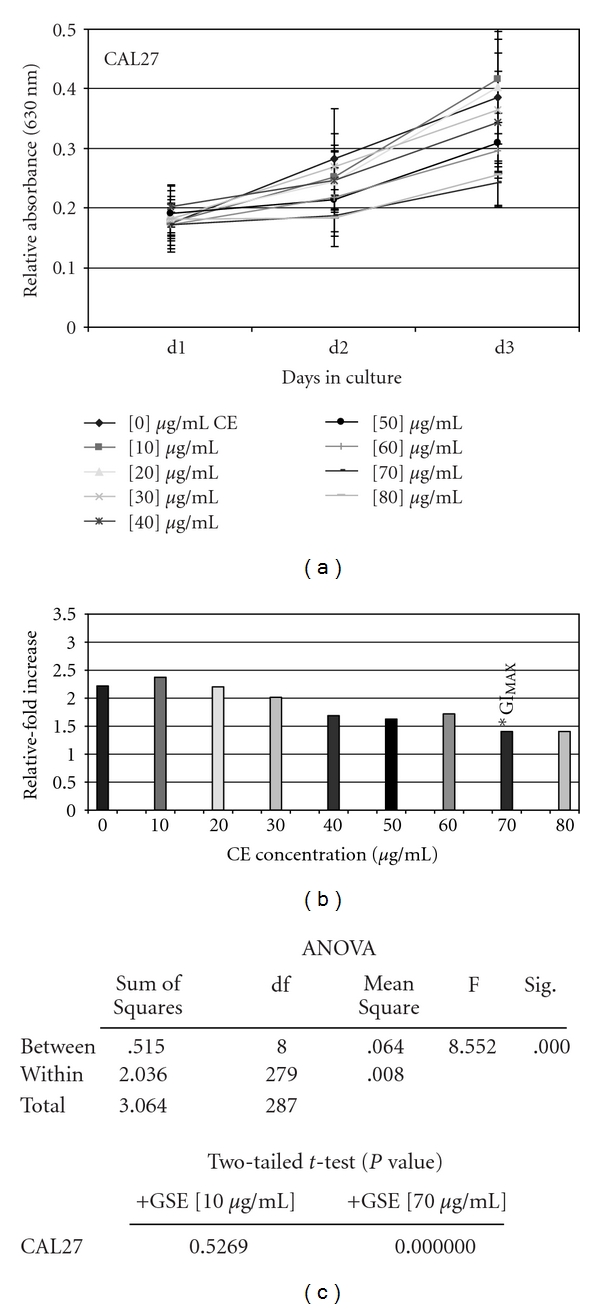
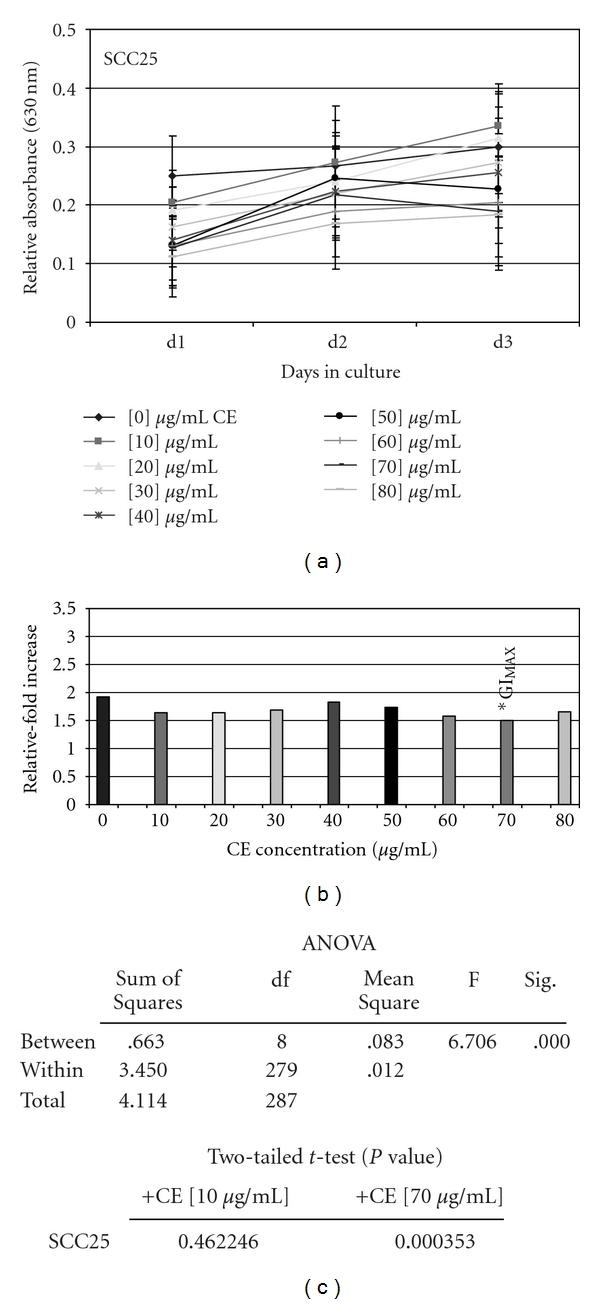
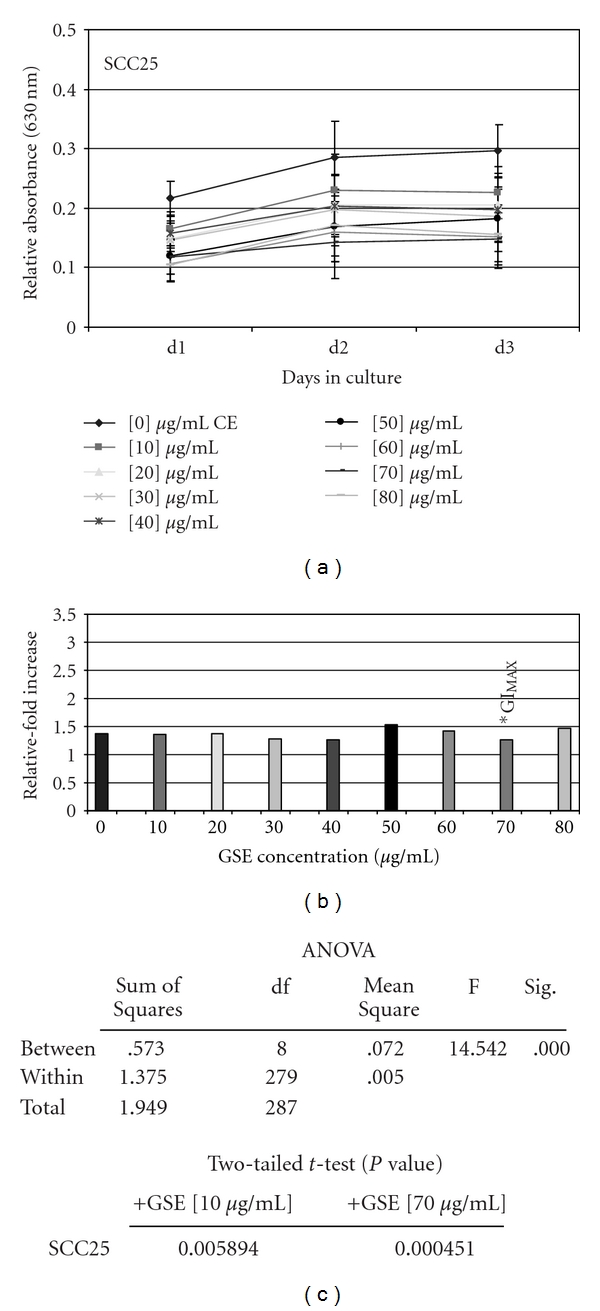
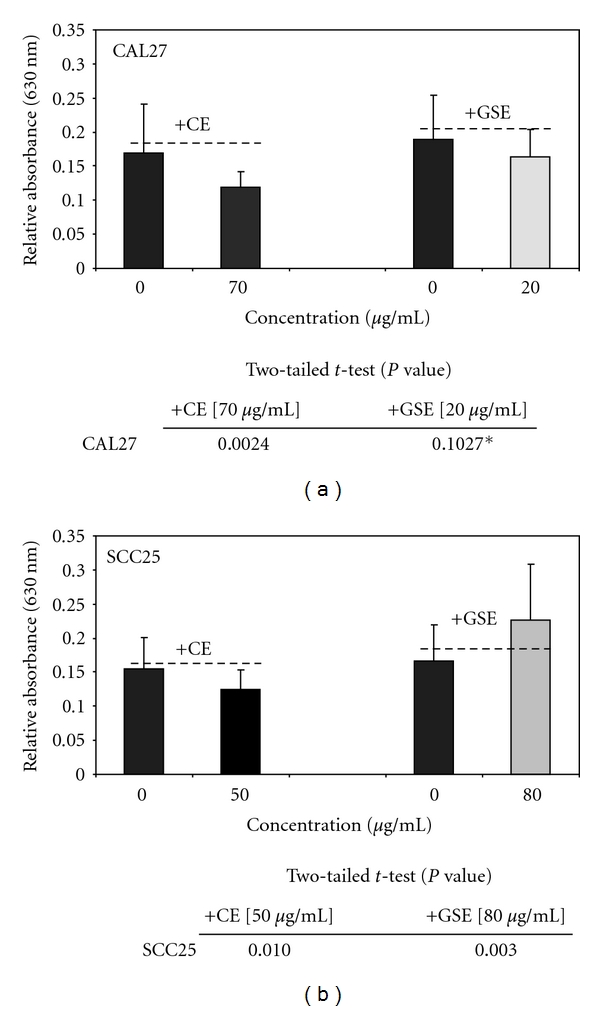
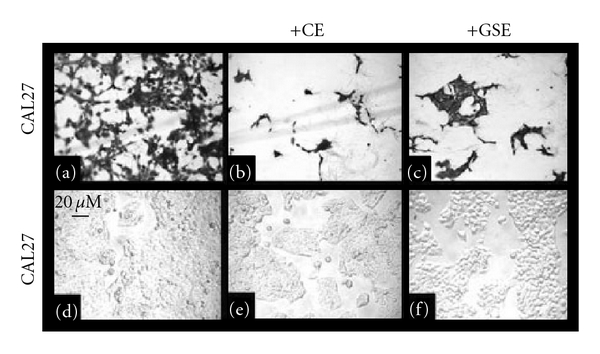
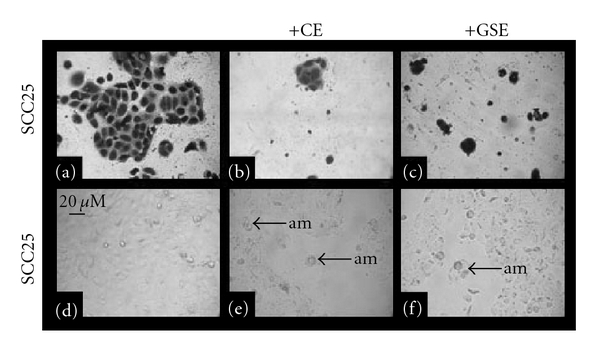
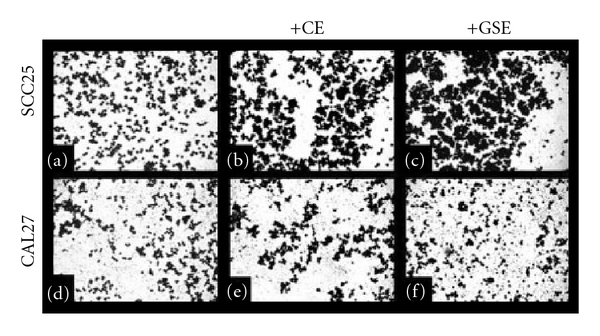
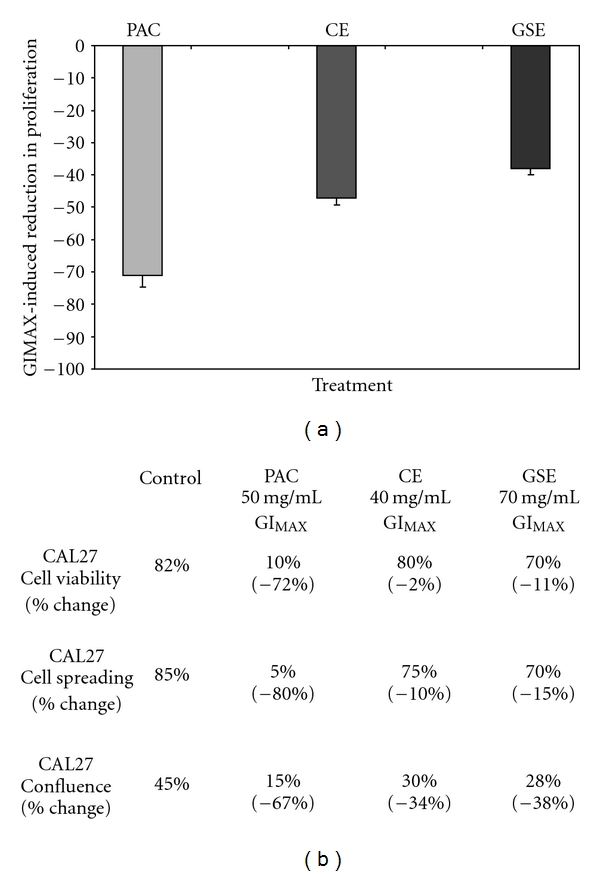
Proanthocyanidins, compounds highly concentrated in dietary fruits, such as cranberries and grapes, demonstrate significant cancer prevention potential against many types of cancer. The objective of this study was to evaluate cranberry and grape seed extracts to quantitate and compare their anti-proliferative effects on the most common type of oral cancer, oral squamous cell carcinoma. Using two well-characterized oral squamous cell carcinoma cell lines, CAL27 and SCC25, assays were performed to evaluate the effects of cranberry and grape seed extract on phenotypic behaviors of these oral cancers. The proliferation of both oral cancer cell lines was significantly inhibited by the administration of cranberry and grape seed extracts, in a dose-dependent manner. In addition, key regulators of apoptosis, caspase-2 and caspase-8, were concomitantly up-regulated by these treatments. However, cranberry and grape seed extracts elicited differential effects on cell adhesion, cell morphology, and cell cycle regulatory pathways. This study represents one of the first comparative investigations of cranberry and grape seed extracts and their anti-proliferative effects on oral cancers. Previous findings using purified proanthocyanidin from grape seed extract demonstrated more prominent growth inhibition, as well as apoptosis-inducing, properties on CAL27 cells. These observations provide evidence that cranberry and grape seed extracts not only inhibit oral cancer proliferation but also that the mechanism of this inhibition may function by triggering key apoptotic regulators in these cell lines. This information will be of benefit to researchers interested in elucidating which dietary components are central to mechanisms involved in the mediation of oral carcinogenesis and progression.
原花青素是一种高度浓缩在膳食水果中的化合物,如蔓越莓和葡萄,具有显著的预防多种癌症的潜力。本研究的目的是评估蔓越莓和葡萄籽提取物,以定量和比较它们对最常见的口腔癌——口腔鳞状细胞癌的抗增殖作用。使用两种经过充分表征的口腔鳞状细胞癌细胞系 CAL27 和 SCC25,进行了实验来评估蔓越莓和葡萄籽提取物对这些口腔癌表型行为的影响。蔓越莓和葡萄籽提取物的给药显著抑制了两种口腔癌细胞系的增殖,呈剂量依赖性。此外,这些处理还同时上调了凋亡的关键调节因子 caspase-2 和 caspase-8。然而,蔓越莓和葡萄籽提取物对细胞黏附、细胞形态和细胞周期调节途径产生了不同的影响。本研究是首次对蔓越莓和葡萄籽提取物及其对口腔癌的抗增殖作用进行比较研究之一。以前使用葡萄籽提取物中的纯化原花青素进行的研究表明,对 CAL27 细胞具有更显著的生长抑制和诱导凋亡的特性。这些观察结果提供了证据,表明蔓越莓和葡萄籽提取物不仅抑制口腔癌的增殖,而且这种抑制机制可能通过触发这些细胞系中的关键凋亡调节因子起作用。对于那些有兴趣阐明哪些饮食成分对口腔癌发生和进展过程中涉及的机制的调节起关键作用的研究人员来说,这些信息将是有益的。