Wang Hao, Yang Ronghua, Yang Liu, Tan Weihong
Biomedical Engineering Center, State Key Lab of Chemo/Biosensing and Chemometrics, College of Chemistry and Chemical Engineering, Hunan University, Changsha 410082, China.
ACS Nano. 2009 Sep 22;3(9):2451-60. doi: 10.1021/nn9006303.
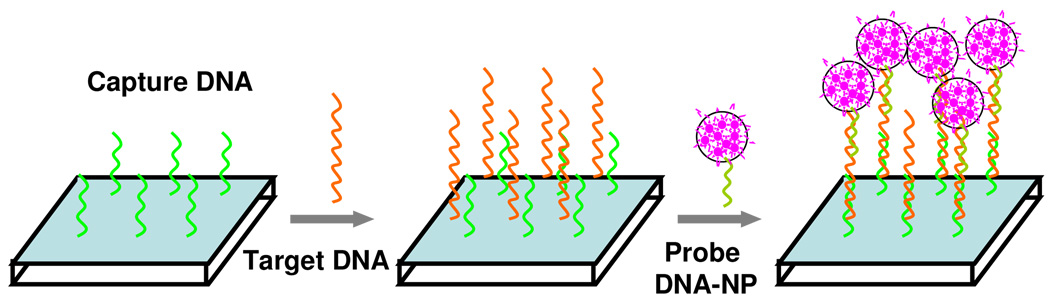
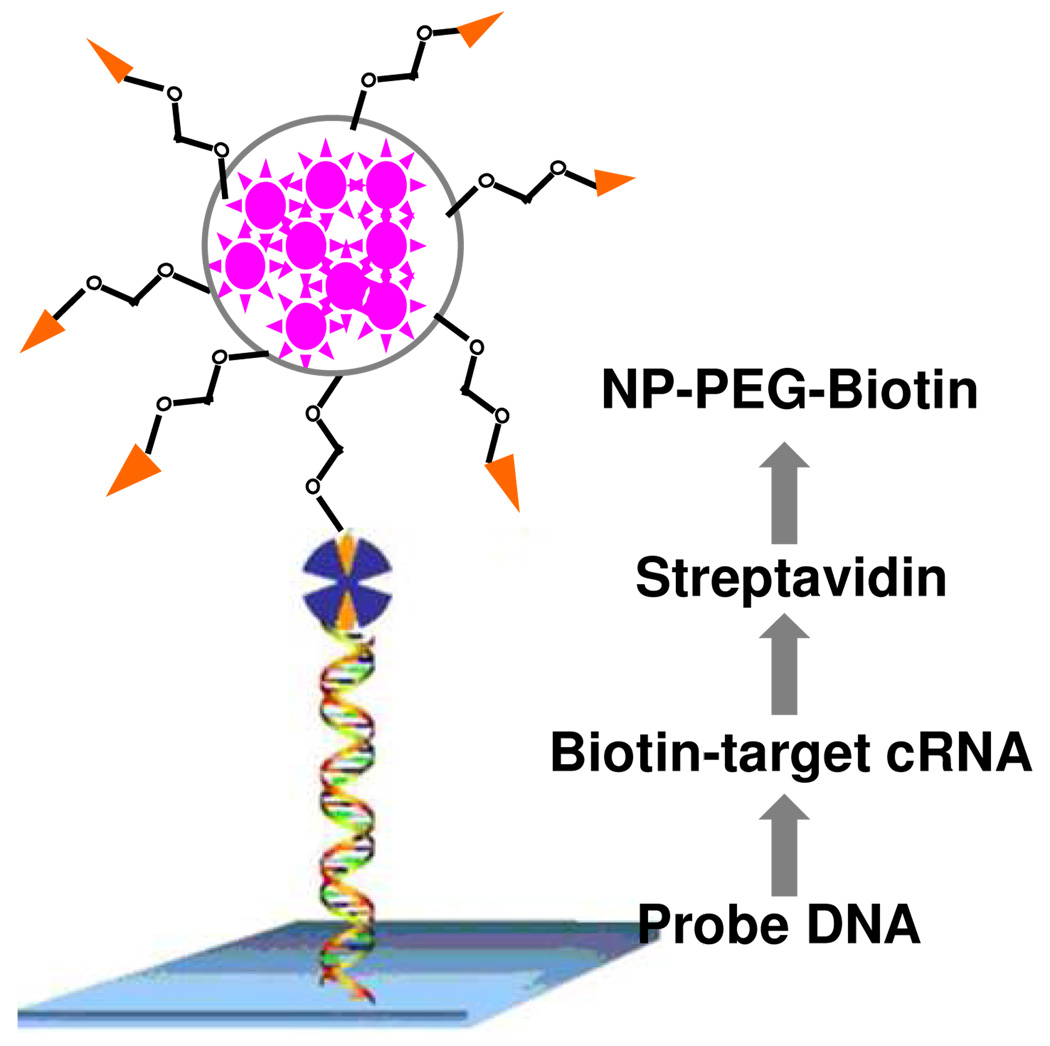
Nucleic acids, whether designed or selected in vitro, play important roles in biosensing, medical diagnostics, and therapy. Specifically, the conjugation of functional nucleic acid based probe molecules and nanomaterials has resulted in an unprecedented improvement in the field of molecular recognition. With their unique physical and chemical properties, nanomaterials facilitate the sensing process and amplify the signal of recognition events. Thus, the coupling of nucleic acids with various nanomaterials opens up a promising future for molecular recognition. The literature offers a broad spectrum of recent advances in biosensing by employing different nanoplatforms with designed nucleic acids, especially gold nanoparticles, carbon nanotubes, silica nanoparticles, and quantum dots. The advantages of these novel combinations are discussed from the perspective of molecular recognition in chemistry, biology, and medicine, along with the problems confronting future applications.
核酸,无论是在体外设计还是筛选的,在生物传感、医学诊断和治疗中都发挥着重要作用。具体而言,基于功能核酸的探针分子与纳米材料的结合,在分子识别领域带来了前所未有的进步。纳米材料凭借其独特的物理和化学性质,促进了传感过程并放大了识别事件的信号。因此,核酸与各种纳米材料的结合为分子识别开辟了广阔的前景。文献报道了通过将设计好的核酸与不同的纳米平台(特别是金纳米颗粒、碳纳米管、二氧化硅纳米颗粒和量子点)相结合,在生物传感方面取得的广泛最新进展。从化学、生物学和医学中的分子识别角度讨论了这些新型组合的优势,以及未来应用面临的问题。