Department of Animal Sciences, University of Illinois, Urbana, Illinois, United States of America.
PLoS One. 2010 Mar 22;5(3):e9768. doi: 10.1371/journal.pone.0009768.
Dogs suffer from many of the same maladies as humans that may be affected by the gut microbiome, but knowledge of the canine microbiome is incomplete. This work aimed to use 16S rDNA tag pyrosequencing to phylogenetically characterize hindgut microbiome in dogs and determine how consumption of dietary fiber affects community structure.
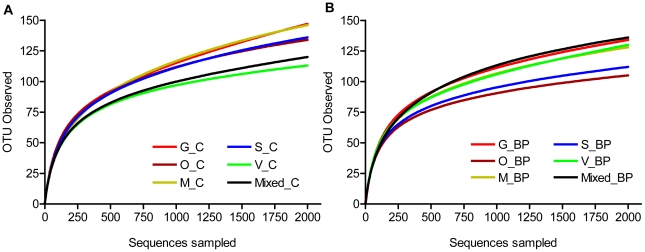
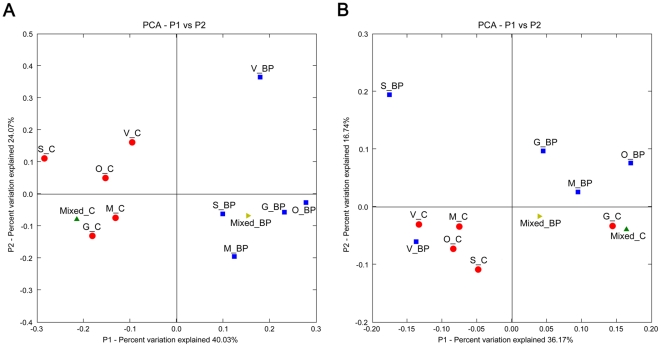
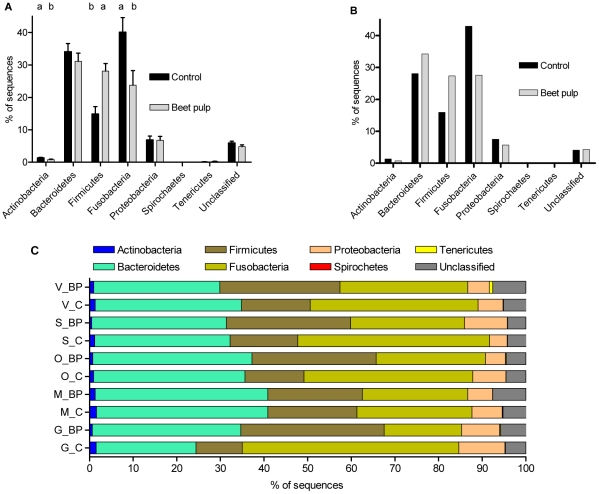
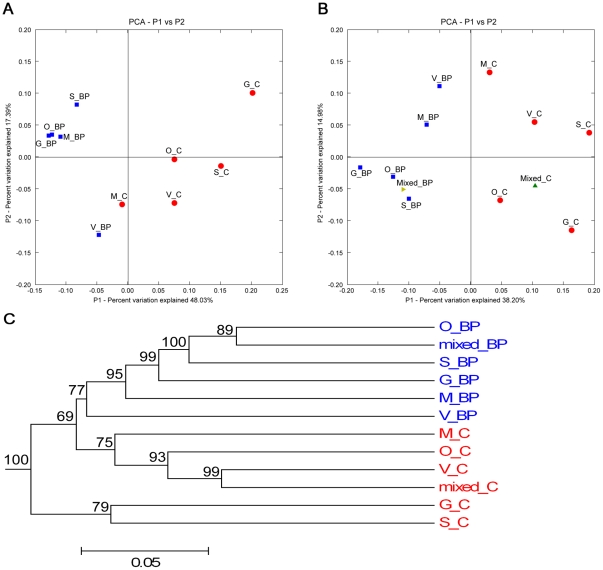
Six healthy adult dogs were used in a crossover design. A control diet without supplemental fiber and a beet pulp-supplemented (7.5%) diet were fed. Fecal DNA was extracted and the V3 hypervariable region of the microbial 16S rDNA gene amplified using primers suitable for 454-pyrosequencing. Microbial diversity was assessed on random 2000-sequence subsamples of individual and pooled DNA samples by diet. Our dataset comprised 77,771 reads with an average length of 141 nt. Individual samples contained approximately 129 OTU, with Fusobacteria (23-40% of reads), Firmicutes (14-28% of reads) and Bacteroidetes (31-34% of reads) being co-dominant phyla. Feeding dietary fiber generally decreased Fusobacteria and increased Firmicutes, but these changes were not equally apparent in all dogs. UniFrac analysis revealed that structure of the gut microbiome was affected by diet and Firmicutes appeared to play a strong role in by-diet clustering.
Our data suggest three co-dominant bacterial phyla in the canine hindgut. Furthermore, a relatively small amount of dietary fiber changed the structure of the gut microbiome detectably. Our data are among the first to characterize the healthy canine gut microbiome using pyrosequencing and provide a basis for studies focused on devising dietary interventions for microbiome-associated diseases.
狗和人类一样,会患上许多可能受肠道微生物组影响的疾病,但人们对犬类微生物组的了解并不完整。本研究旨在使用 16S rDNA 标签焦磷酸测序对犬后肠微生物组进行系统发育特征分析,并确定膳食纤维的摄入如何影响群落结构。
本研究采用交叉设计,使用 6 只健康成年犬。先给犬喂食无纤维补充的对照饮食,然后喂食添加甜菜浆(7.5%)的饮食。提取粪便 DNA,用适合 454 焦磷酸测序的引物扩增微生物 16S rDNA 基因的 V3 高变区。通过饮食,在个体和混合 DNA 样本的随机 2000 个序列子样本上评估微生物多样性。我们的数据集包含 77771 条reads,平均长度为 141nt。个体样本包含大约 129 个 OTU,其中厚壁菌门(占reads 的 23-40%)、Firmicutes(占 reads 的 14-28%)和拟杆菌门(占 reads 的 31-34%)是共同优势菌群。喂食膳食纤维通常会减少厚壁菌门,增加 Firmicutes,但并非所有犬的变化都相同。UniFrac 分析表明,饮食会影响肠道微生物组的结构,Firmicutes 似乎在饮食聚类中发挥了重要作用。
本研究的数据表明犬后肠中有三个共同优势细菌门。此外,相对少量的膳食纤维可以明显改变肠道微生物组的结构。本研究使用焦磷酸测序首次对健康犬肠道微生物组进行了特征描述,并为专注于设计与微生物组相关疾病的饮食干预措施的研究提供了基础。