School of Biomedical Sciences, University of Queensland, Brisbane, Queensland 4072, Australia.
Mol Neurodegener. 2011 Jan 25;6(1):11. doi: 10.1186/1750-1326-6-11.
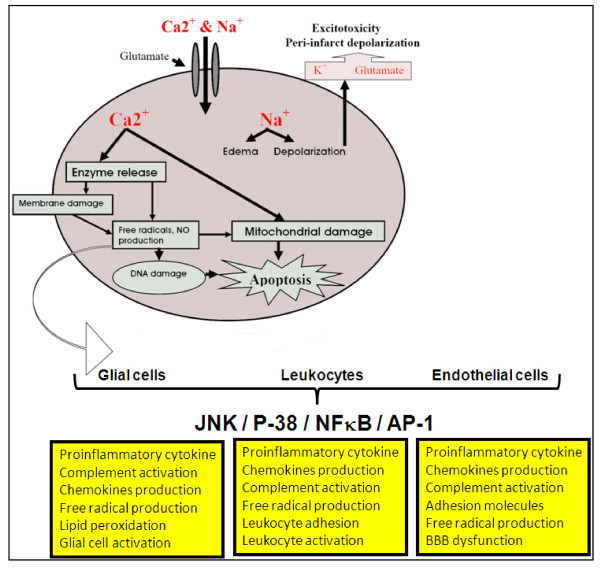
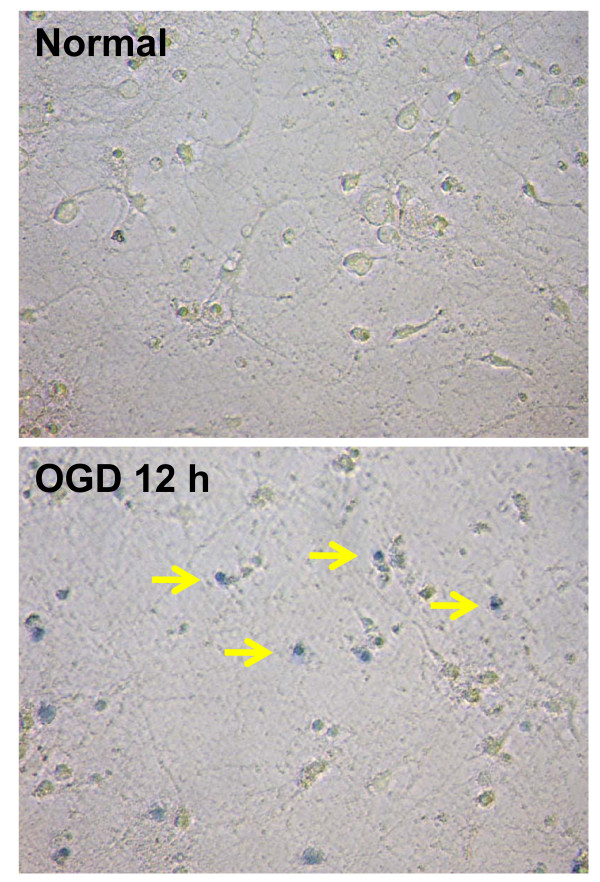
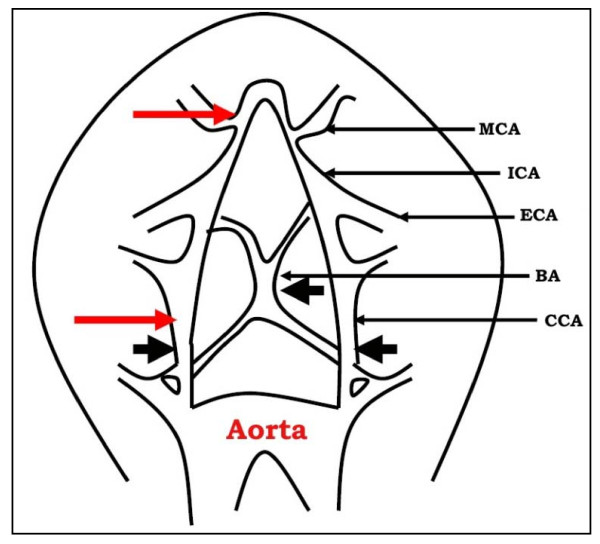
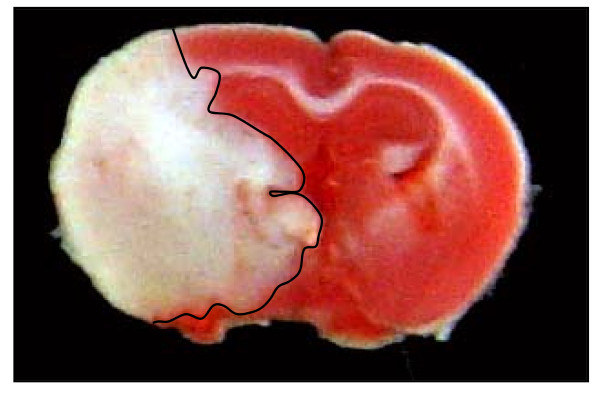
Stroke is the world's second leading cause of mortality, with a high incidence of severe morbidity in surviving victims. There are currently relatively few treatment options available to minimize tissue death following a stroke. As such, there is a pressing need to explore, at a molecular, cellular, tissue, and whole body level, the mechanisms leading to damage and death of CNS tissue following an ischemic brain event. This review explores the etiology and pathogenesis of ischemic stroke, and provides a general model of such. The pathophysiology of cerebral ischemic injury is explained, and experimental animal models of global and focal ischemic stroke, and in vitro cellular stroke models, are described in detail along with experimental strategies to analyze the injuries. In particular, the technical aspects of these stroke models are assessed and critically evaluated, along with detailed descriptions of the current best-practice murine models of ischemic stroke. Finally, we review preclinical studies using different strategies in experimental models, followed by an evaluation of results of recent, and failed attempts of neuroprotection in human clinical trials. We also explore new and emerging approaches for the prevention and treatment of stroke. In this regard, we note that single-target drug therapies for stroke therapy, have thus far universally failed in clinical trials. The need to investigate new targets for stroke treatments, which have pleiotropic therapeutic effects in the brain, is explored as an alternate strategy, and some such possible targets are elaborated. Developing therapeutic treatments for ischemic stroke is an intrinsically difficult endeavour. The heterogeneity of the causes, the anatomical complexity of the brain, and the practicalities of the victim receiving both timely and effective treatment, conspire against developing effective drug therapies. This should in no way be a disincentive to research, but instead, a clarion call to intensify efforts to ameliorate suffering and death from this common health catastrophe. This review aims to summarize both the present experimental and clinical state-of-the art, and to guide future research directions.
中风是世界上第二大致死原因,幸存患者的严重发病率很高。目前,可用于最大限度减少中风后组织死亡的治疗选择相对较少。因此,迫切需要从分子、细胞、组织和全身水平探索导致中枢神经系统组织在缺血性脑事件后受损和死亡的机制。本综述探讨了缺血性中风的病因和发病机制,并提供了一个一般性模型。解释了脑缺血损伤的病理生理学,并详细描述了全脑和局灶性缺血性中风的实验动物模型以及体外细胞中风模型,以及分析损伤的实验策略。特别是,评估和批判性地评估了这些中风模型的技术方面,并详细描述了当前缺血性中风的最佳实验小鼠模型。最后,我们回顾了使用不同策略在实验模型中的临床前研究,然后评估了人类临床试验中神经保护的最新和失败尝试的结果。我们还探讨了预防和治疗中风的新出现方法。在这方面,我们注意到,用于中风治疗的单一靶标药物疗法在临床试验中普遍失败。需要研究具有大脑多效治疗作用的中风治疗新靶标,作为一种替代策略进行探索,并详细阐述了一些可能的靶标。开发缺血性中风的治疗方法是一项极具挑战性的努力。病因的异质性、大脑的解剖复杂性以及受害者及时和有效治疗的实际情况,都不利于开发有效的药物疗法。这绝不应该成为研究的障碍,而应该是加强努力减轻这种常见健康灾难带来的痛苦和死亡的号角。本综述旨在总结目前的实验和临床最新技术,并指导未来的研究方向。