School of Science, Mae Fah Luang University, 333 M. 1. T. Tasud Muang District, Chiang Rai 57100, Thailand;
Persoonia. 2010 Dec;25:50-60. doi: 10.3767/003158510X548668. Epub 2010 Dec 1.
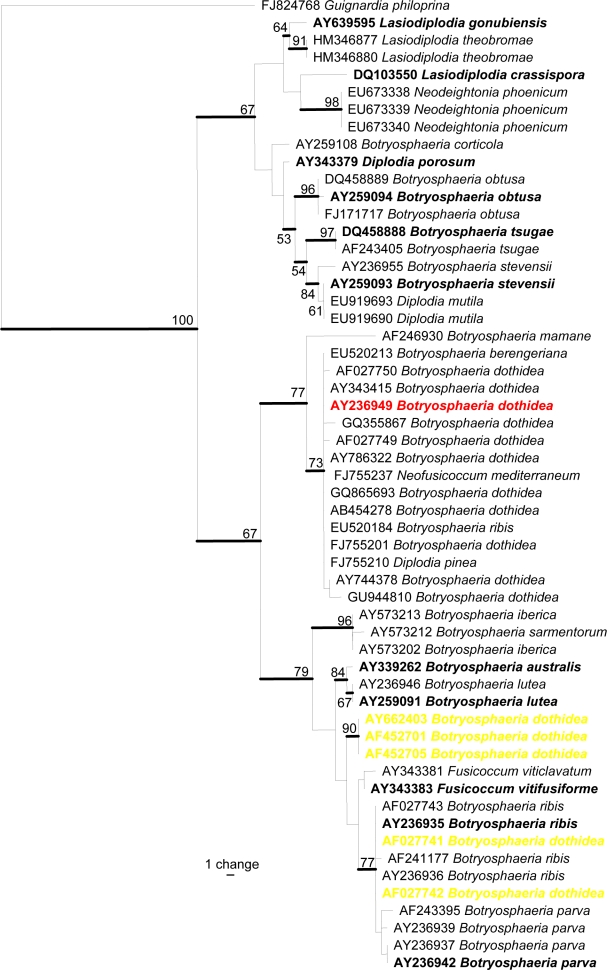
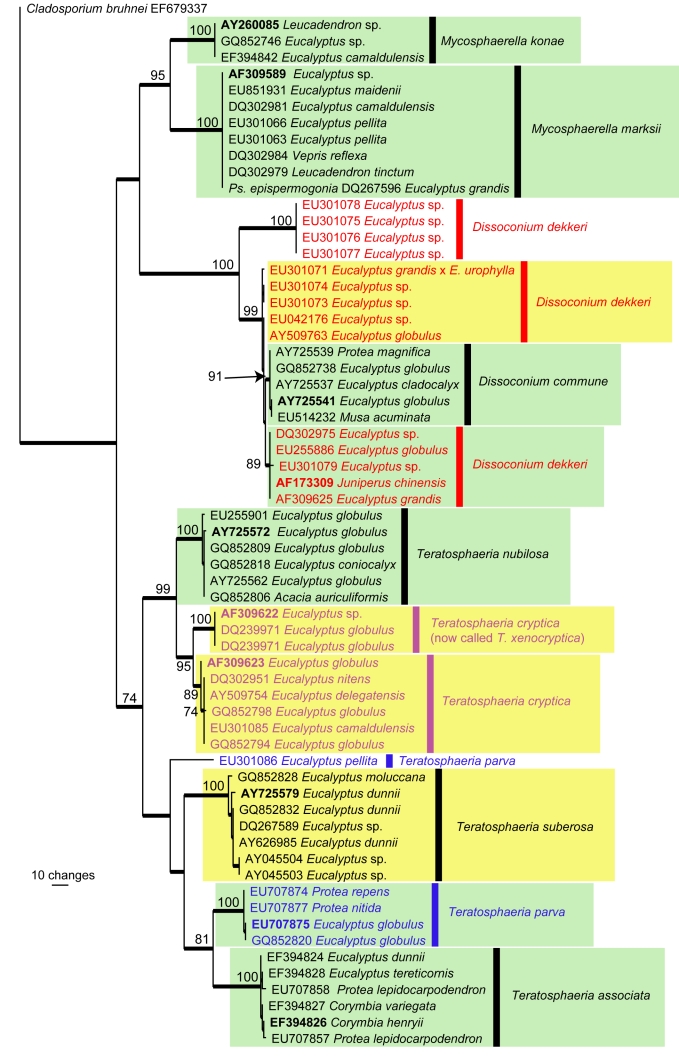
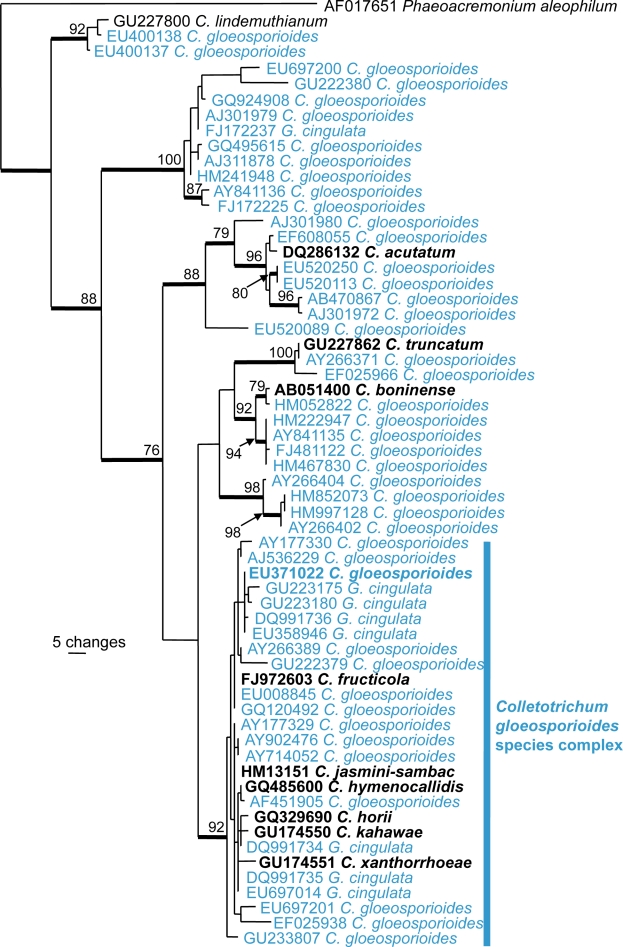
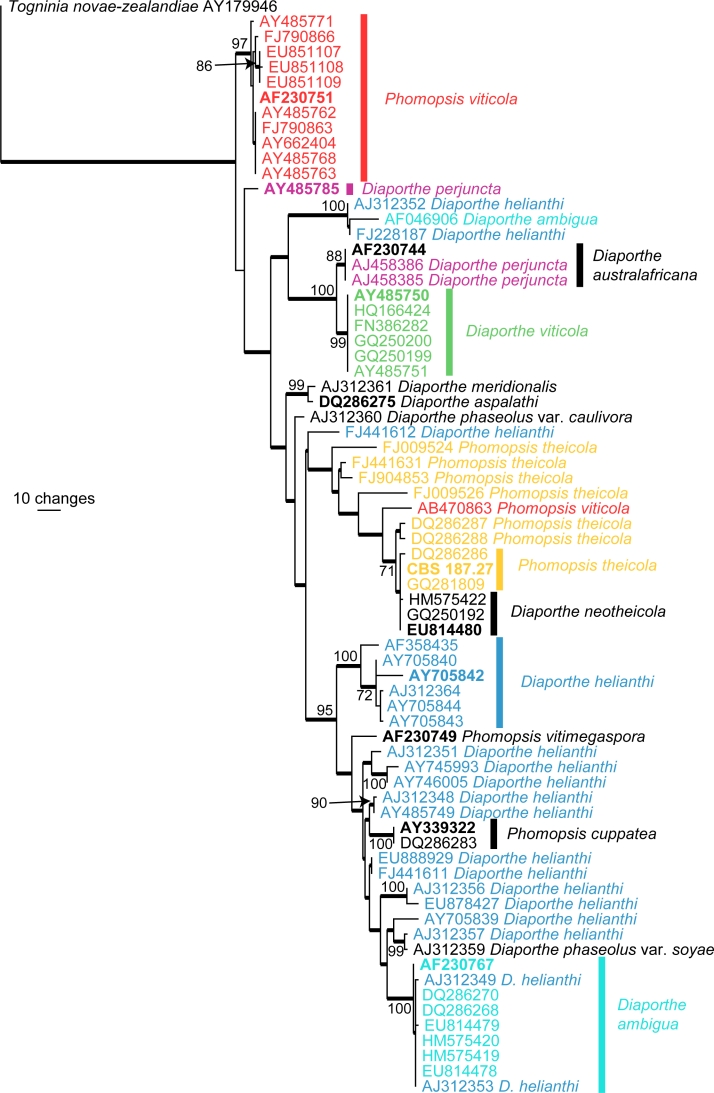
Australia has efficient and visible plant quarantine measures, which through various border controls and survey activities attempt to prevent the entry of unwanted pests and diseases. The ability to successfully perform this task relies heavily on determining what pathogens are present and established in Australia as well as those pathogens that are exotic and threatening. There are detailed checklists and databases of fungal plant pathogens in Australia, compiled, in part, from surveys over many years sponsored by Federal and State programmes. These checklists and databases are mostly specimen-based, which enables validation of records with reference herbarium specimens and sometimes associated cultures. Most of the identifications have been based on morphological examination. The use of molecular methods, particularly the analysis of DNA sequence data, has recently shown that several well-known and important plant pathogenic species are actually complexes of cryptic species. We provide examples of this in the important plant pathogenic genera Botryosphaeria and its anamorphs, Colletotrichum, Fusarium, Phomopsis / Diaporthe and Mycosphaerella and its anamorphs. The discovery of these cryptic species indicates that many of the fungal names in checklists need scrutiny. It is difficult, and often impossible, to extract DNA for sequence analysis from herbarium specimens in order to validate identifications that may now be considered suspect. This validation can only be done if specimens are recollected, re-isolated and subjected to DNA analysis. Where possible, herbarium specimens as well as living cultures are needed to support records. Accurate knowledge of the plant pathogens within Australia's borders is an essential prerequisite for the effective discharge of plant quarantine activities that will prevent or delay the arrival of unwanted plant pathogens.
澳大利亚拥有高效且可见的植物检疫措施,通过各种边境管控和调查活动,试图防止不受欢迎的病虫害进入。成功完成这项任务的能力在很大程度上取决于确定澳大利亚境内存在哪些病原体以及哪些病原体是外来的和有威胁的。澳大利亚有详细的真菌植物病原体清单和数据库,部分是由多年来联邦和州级项目赞助的调查编制的。这些清单和数据库主要基于标本,这使得可以通过参考植物标本馆标本并有时参考相关培养物来验证记录。大多数鉴定都是基于形态学检查。分子方法的使用,特别是 DNA 序列数据分析,最近表明,几个知名且重要的植物病原物种实际上是隐种复合体。我们在重要的植物病原属 Botryosphaeria 及其无性型、Colletotrichum、Fusarium、Phomopsis / Diaporthe 和 Mycosphaerella 及其无性型中提供了这些例子。这些隐种的发现表明,清单中的许多真菌名称需要仔细审查。从植物标本馆标本中提取 DNA 进行序列分析以验证现在可能被认为可疑的鉴定结果是困难的,而且通常是不可能的。只有在重新采集、重新分离和进行 DNA 分析的情况下,才能进行这种验证。在可能的情况下,需要植物标本馆标本和活体培养物来支持记录。准确了解澳大利亚境内的植物病原体是有效开展植物检疫活动的必要前提,这些活动将防止或延迟不受欢迎的植物病原体的到来。