The Jackson Laboratory, Bar Harbor, Maine, USA.
Diabetes. 2011 Nov;60(11):2914-21. doi: 10.2337/db11-0705. Epub 2011 Sep 16.
Consistent with studies in NOD mice, early clinical trials addressing whether depletion of B cells by the Rituximab CD20-specific antibody provides an effective means for type 1 diabetes reversal have produced promising results. However, to improve therapeutic efficacy, additional B-cell-depleting agents, as well as attempts seeking diabetes prevention, are being considered.
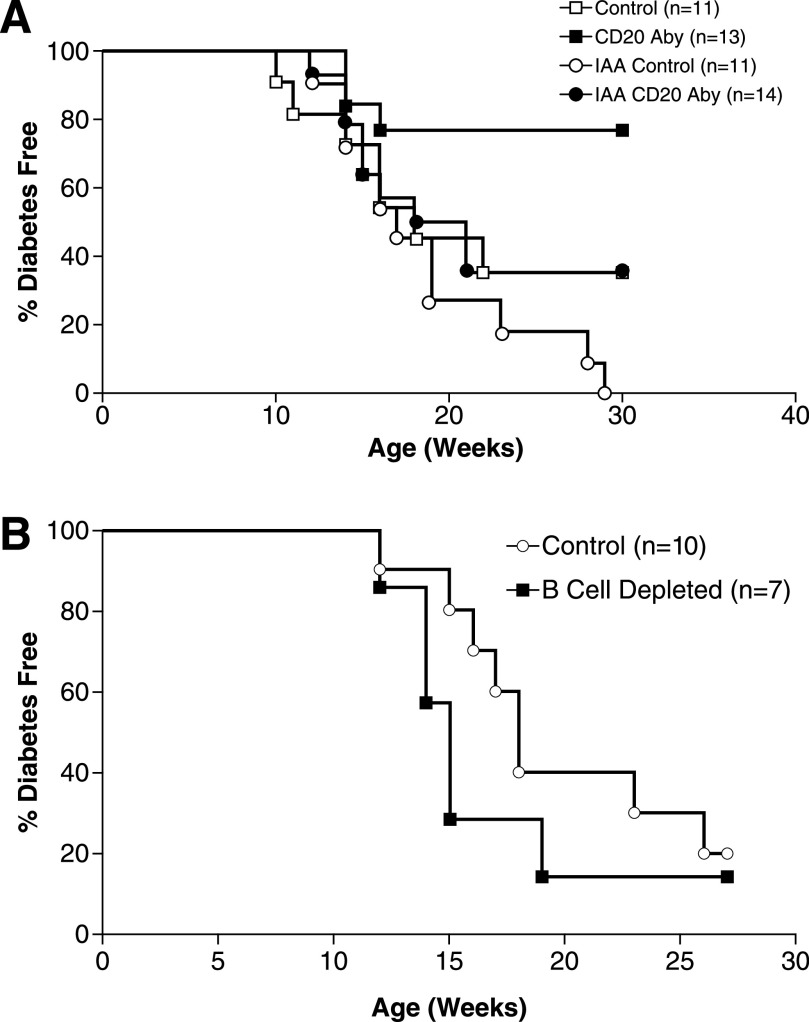
Autoantibodies, including those against insulin (IAAs), are used to identify at-risk subjects for inclusion in diabetes prevention trials. Therefore, we tested the ability of anti-CD20 to prevent diabetes in NOD mice when administered either before or after IAA onset.
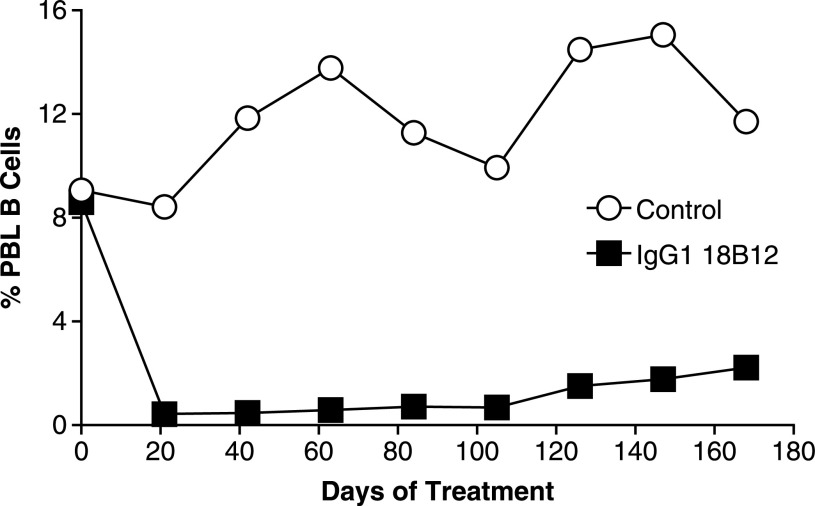
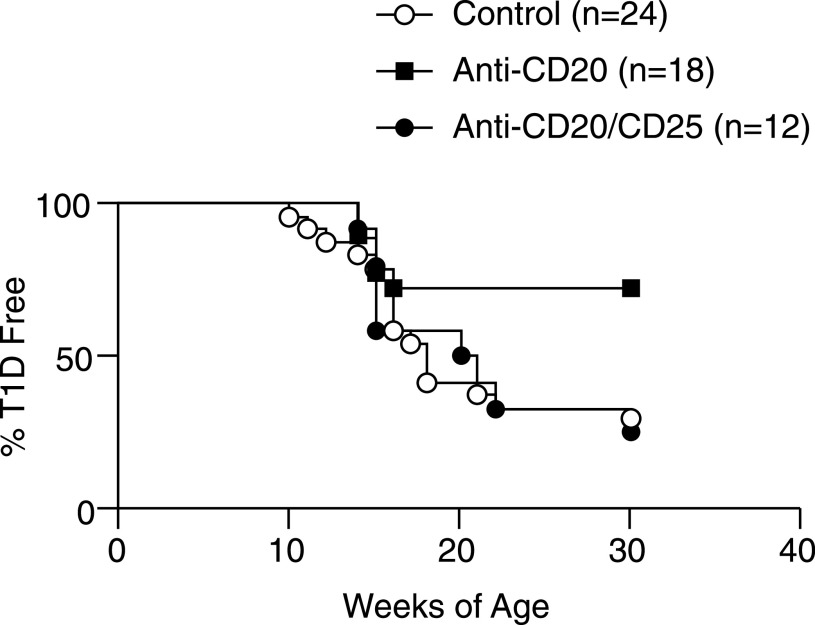
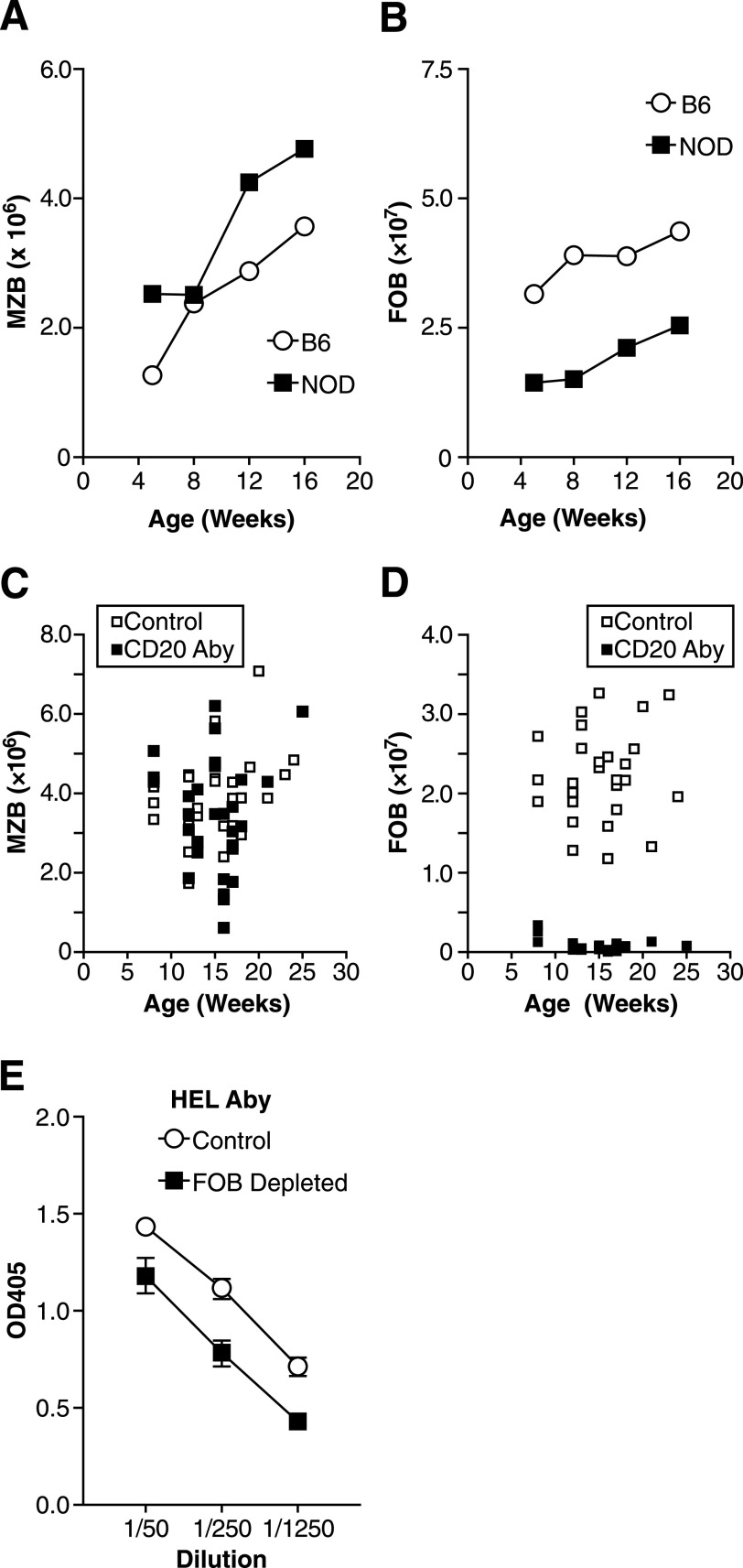
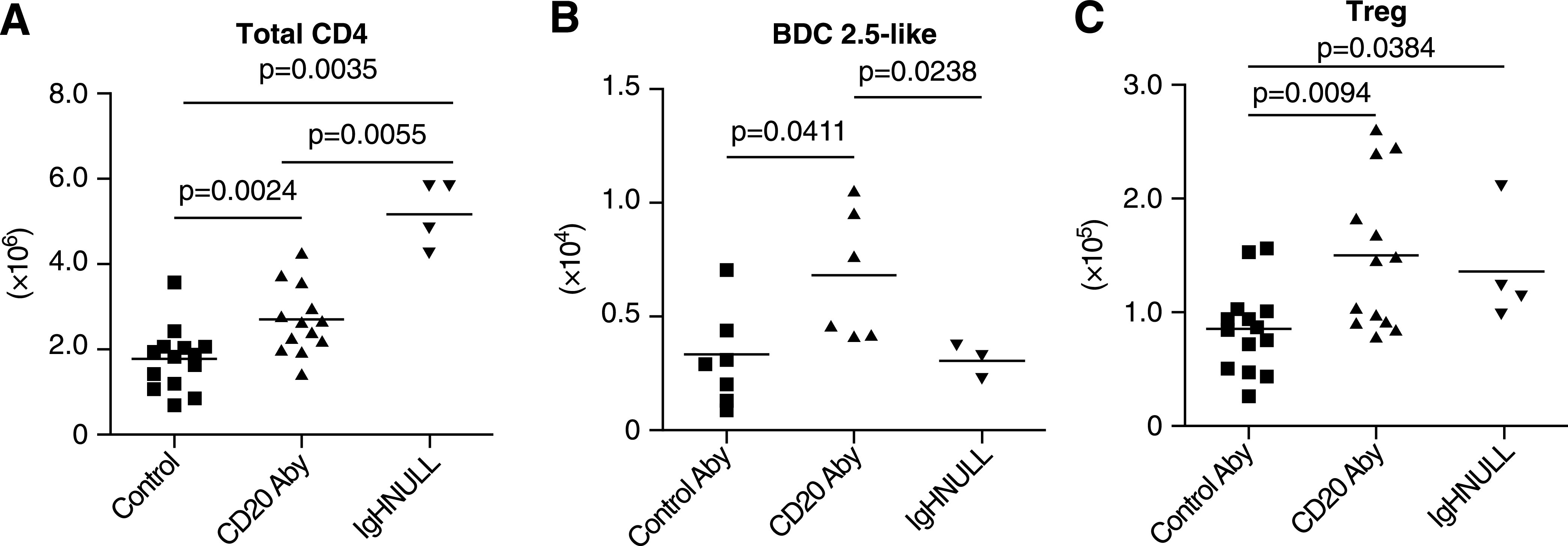
The murine CD20-specific 18B12 antibody that like Rituximab, depletes the follicular (FO) but not marginal zone subset of B cells, efficiently inhibited diabetes development in NOD mice in a likely regulatory T-cell-dependent manner only when treatment was initiated before IAA detection. One implication of these results is that the FO subset of B cells preferentially contributes to early diabetes initiation events. However, most important, the inefficient ability of anti-CD20 treatment to exert late-stage diabetes prevention was found to be attributable to downregulation of CD20 expression upon B cell entry into pancreatic islets.
These findings provide important guidance for designing strategies targeting B cells as a potential means of diabetes intervention.
与 NOD 小鼠的研究一致,早期临床试验旨在探讨通过利妥昔单抗 CD20 特异性抗体耗竭 B 细胞是否为 1 型糖尿病逆转提供有效手段,这些试验已取得了有前景的结果。然而,为了提高治疗效果,正在考虑使用其他 B 细胞耗竭剂以及尝试预防糖尿病。
自身抗体,包括针对胰岛素的抗体 (IAAs),用于鉴定糖尿病预防试验的高危受试者。因此,我们测试了在 NOD 小鼠中,在 IAA 发病前或发病后给予抗 CD20 治疗,是否具有预防糖尿病的能力。
与利妥昔单抗类似,鼠源 CD20 特异性 18B12 抗体可耗竭滤泡 (FO) 但不耗竭边缘区 B 细胞亚群。该抗体仅在 IAA 检测前开始治疗时,以一种可能依赖调节性 T 细胞的方式,有效地抑制了 NOD 小鼠的糖尿病发展。这些结果的一个含义是,FO 亚群的 B 细胞优先参与早期糖尿病起始事件。然而,最重要的是,发现抗 CD20 治疗在晚期预防糖尿病方面效率低下的原因是 B 细胞进入胰岛后 CD20 表达下调。
这些发现为设计以 B 细胞为靶点的潜在糖尿病干预策略提供了重要指导。