Laboratoire de Technologie Alimentaire et Nutrition, Université de Mostaganem, 1070 Mostaganem, Algeria.
Int J Endocrinol. 2012;2012:962012. doi: 10.1155/2012/962012. Epub 2012 Jan 12.
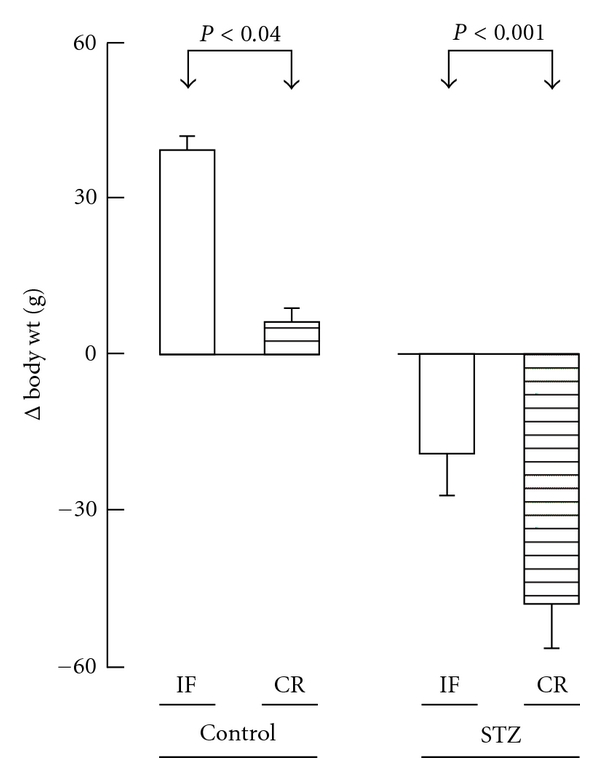
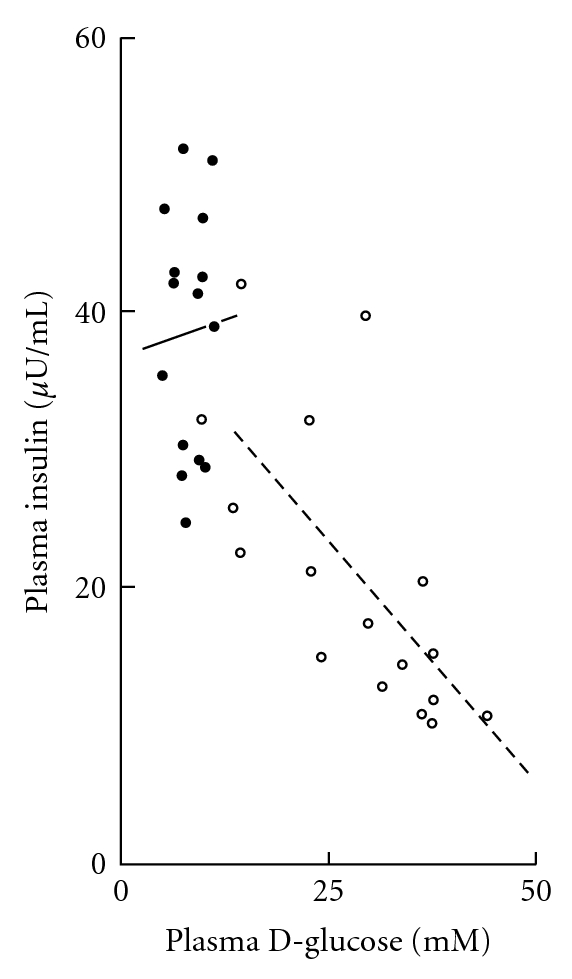
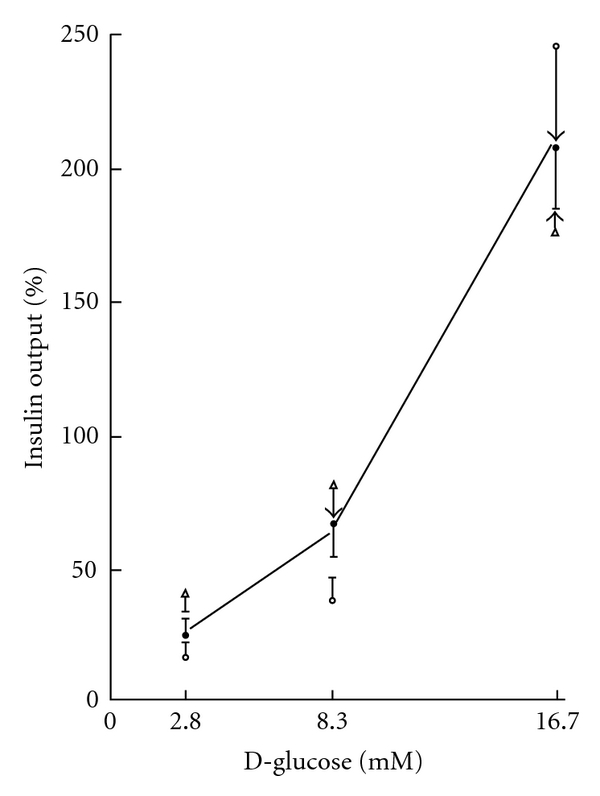
This study investigates the effects of intermittent overnight fasting in streptozotocin-induced diabetic rats (STZ rats). Over 30 days, groups of 5-6 control or STZ rats were allowed free food access, starved overnight, or exposed to a restricted food supply comparable to that ingested by the intermittently fasting animals. Intermittent fasting improved glucose tolerance, increased plasma insulin, and lowered Homeostatis Model Assessment index. Caloric restriction failed to cause such beneficial effects. The β-cell mass, as well as individual β-cell and islet area, was higher in intermittently fasting than in nonfasting STZ rats, whilst the percentage of apoptotic β-cells appeared lower in the former than latter STZ rats. In the calorie-restricted STZ rats, comparable findings were restricted to individual islet area and percentage of apoptotic cells. Hence, it is proposed that intermittent fasting could represent a possible approach to prevent or minimize disturbances of glucose homeostasis in human subjects.
本研究旨在探讨间歇性夜间禁食对链脲佐菌素诱导的糖尿病大鼠(STZ 大鼠)的影响。在 30 天的时间里,5-6 组对照或 STZ 大鼠可自由进食、夜间禁食或摄入与间歇性禁食动物相当的限量食物。间歇性禁食可改善葡萄糖耐量,增加血浆胰岛素,并降低稳态模型评估指数。而热量限制则不能产生如此有益的效果。与非禁食 STZ 大鼠相比,间歇性禁食大鼠的β细胞质量、单个β细胞和胰岛面积更高,而前者的β细胞凋亡比例似乎更低。在热量限制的 STZ 大鼠中,类似的发现仅限于单个胰岛面积和凋亡细胞比例。因此,间歇性禁食可能是预防或最小化人类葡萄糖稳态紊乱的一种方法。