Alimentary Pharmabiotic Centre, University College Cork, Cork, Ireland.
mBio. 2013 Jan 15;4(1):e00366-12. doi: 10.1128/mBio.00366-12.
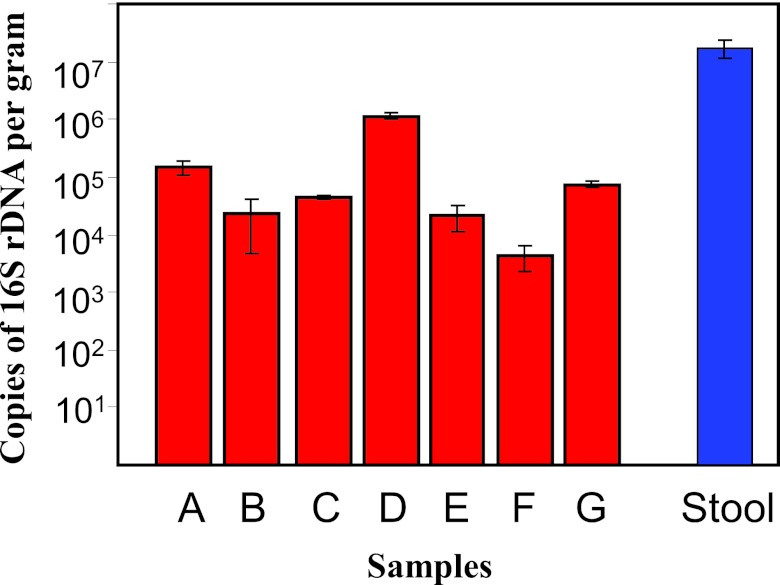
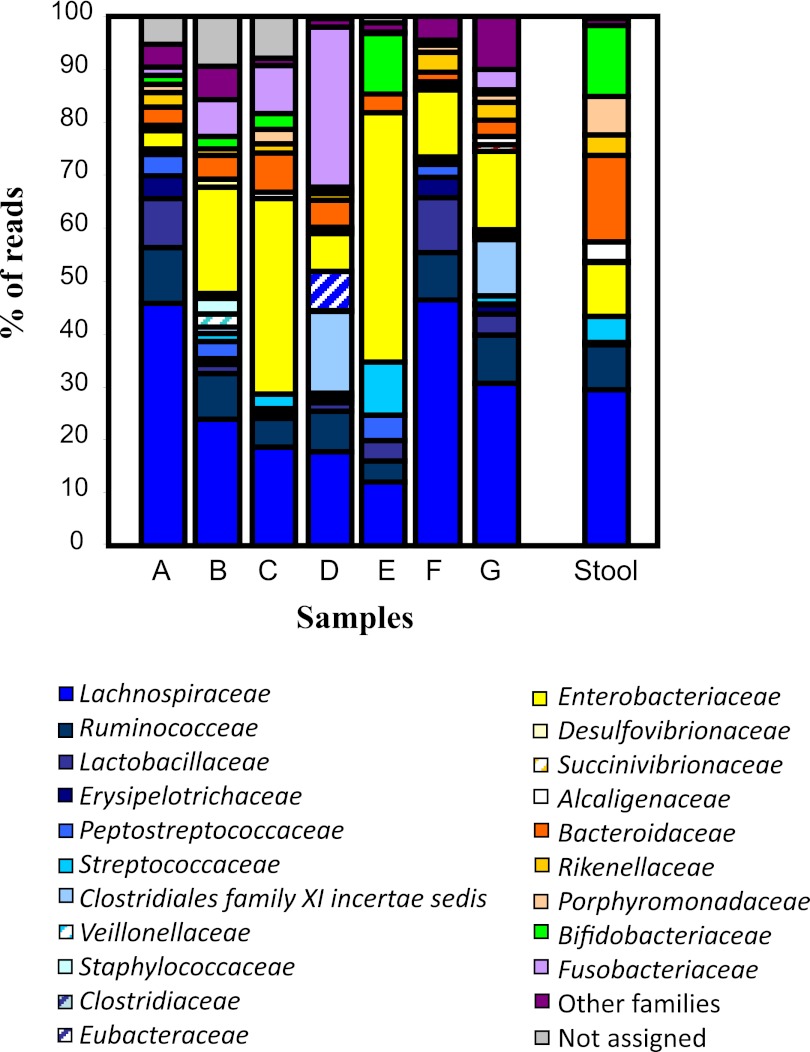
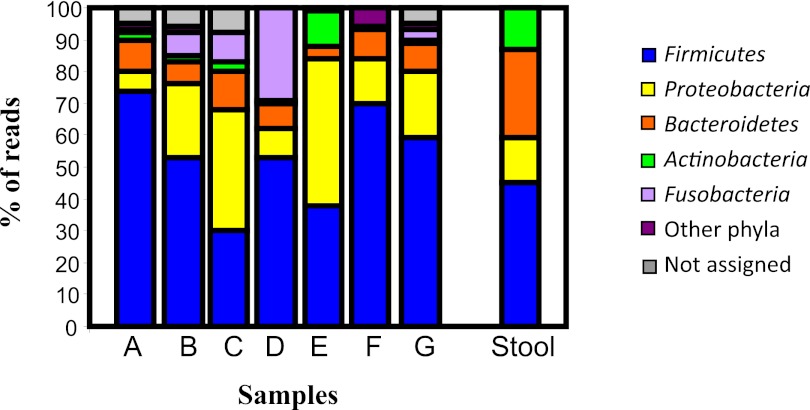
The human appendix has historically been considered a vestige of evolutionary development with an unknown function. While limited data are available on the microbial composition of the appendix, it has been postulated that this organ could serve as a microbial reservoir for repopulating the gastrointestinal tract in times of necessity. We aimed to explore the microbial composition of the human appendix, using high-throughput sequencing of the 16S rRNA gene V4 region. Seven patients, 5 to 25 years of age, presenting with symptoms of acute appendicitis were included in this study. Results showed considerable diversity and interindividual variability among the microbial composition of the appendix samples. In general, however, Firmicutes was the dominant phylum, with the majority of additional sequences being assigned at various levels to Proteobacteria, Bacteroidetes, Actinobacteria, and Fusobacteria. Despite the large diversity in the microbiota found within the appendix, however, a few major families and genera were found to comprise the majority of the sequences present. Interestingly, also, certain taxa not generally associated with the human intestine, including the oral pathogens Gemella, Parvimonas, and Fusobacterium, were identified among the appendix samples. The prevalence of genera such as Fusobacterium could also be linked to the severity of inflammation of the organ. We conclude that the human appendix contains a robust and varied microbiota distinct from the microbiotas in other niches within the human microbiome. The microbial composition of the human appendix is subject to extreme variability and comprises a diversity of biota that may play an important, as-yet-unknown role in human health.
There are currently limited data available on the microbial composition of the human appendix. It has been suggested, however, that it may serve as a "safe house" for commensal bacteria that can reinoculate the gut at need. The present study is the first comprehensive view of the microbial composition of the appendix as determined by high-throughput sequencing. We have determined that the human appendix contains a wealth of microbes, including members of 15 phyla. Important information regarding the associated bacterial diversity of the appendix which will help determine the role, if any, the appendix microbiota has in human health is presented.
人类阑尾在历史上被认为是进化发展的残余,其功能未知。虽然有关阑尾微生物组成的有限数据可用,但有人推测,该器官可以作为在必要时重新填充胃肠道的微生物库。我们旨在通过对 16S rRNA 基因 V4 区进行高通量测序来探索人类阑尾的微生物组成。本研究纳入了 7 名年龄在 5 至 25 岁之间、有急性阑尾炎症状的患者。结果表明,阑尾样本的微生物组成存在相当大的多样性和个体间变异性。然而,总体而言,厚壁菌门是优势门,大部分其他序列在不同水平上被归类为变形菌门、拟杆菌门、放线菌门和梭杆菌门。尽管在阑尾内发现的微生物群多样性很大,但发现少数主要科和属构成了存在的大多数序列。有趣的是,某些通常与人类肠道无关的分类群,包括口腔病原体 Gemella、Parvimonas 和 Fusobacterium,也在阑尾样本中被鉴定出来。属 Fusobacterium 的流行率也可能与器官炎症的严重程度有关。我们得出结论,人类阑尾含有丰富多样的微生物群,与人类微生物组内其他生态位的微生物群不同。人类阑尾的微生物组成受到极端的可变性的影响,并且包含了可能在人类健康中发挥重要作用(尚未可知)的生物多样性。
目前有关人类阑尾微生物组成的可用数据有限。然而,有人认为它可能是一种“安全屋”,为需要时可以重新定植肠道的共生细菌提供庇护。本研究是通过高通量测序首次全面观察阑尾的微生物组成。我们已经确定,人类阑尾含有丰富的微生物,包括 15 个门的成员。关于阑尾相关细菌多样性的重要信息将有助于确定阑尾微生物群在人类健康中的作用(如果有的话)。