Department of Medicine, University of Alberta, Edmonton, Alberta, Canada.
PLoS One. 2013 Apr 24;8(4):e62220. doi: 10.1371/journal.pone.0062220. Print 2013.
Particulate matter (PM) is a key pollutant in ambient air that has been associated with negative health conditions in urban environments. The aim of this study was to examine the effects of orally administered PM on the gut microbiome and immune function under normal and inflammatory conditions.
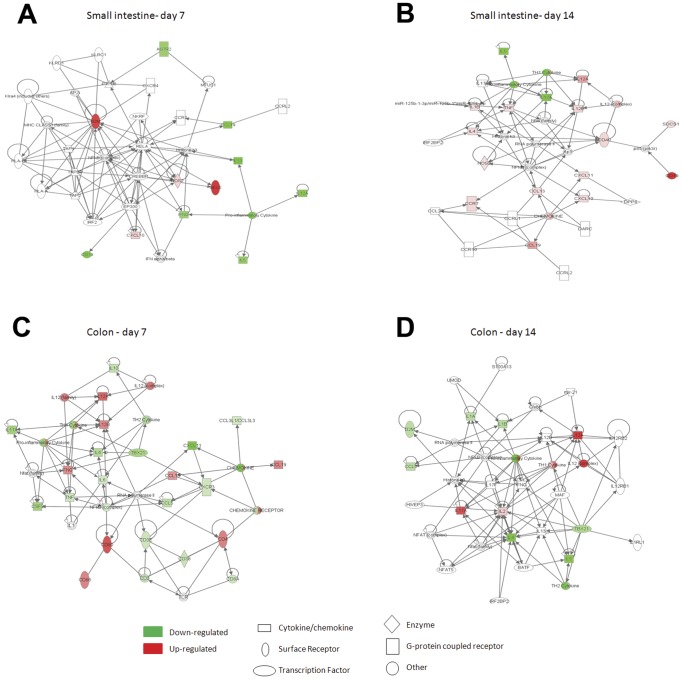
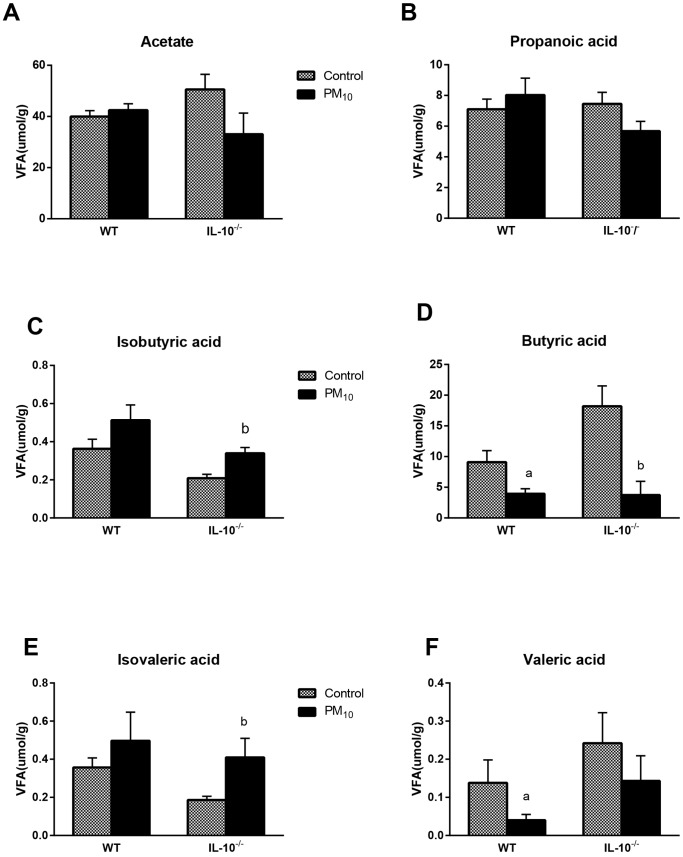
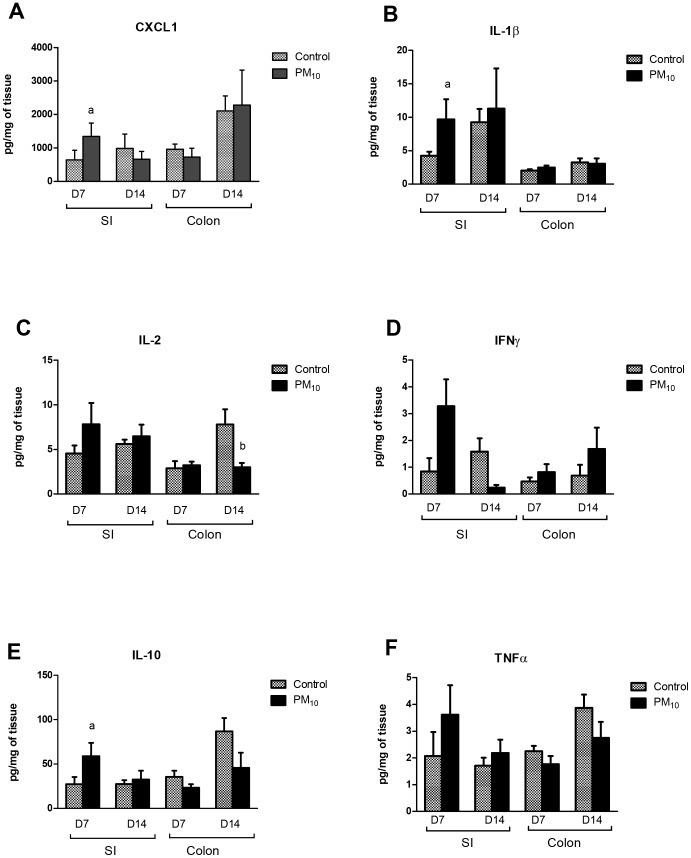
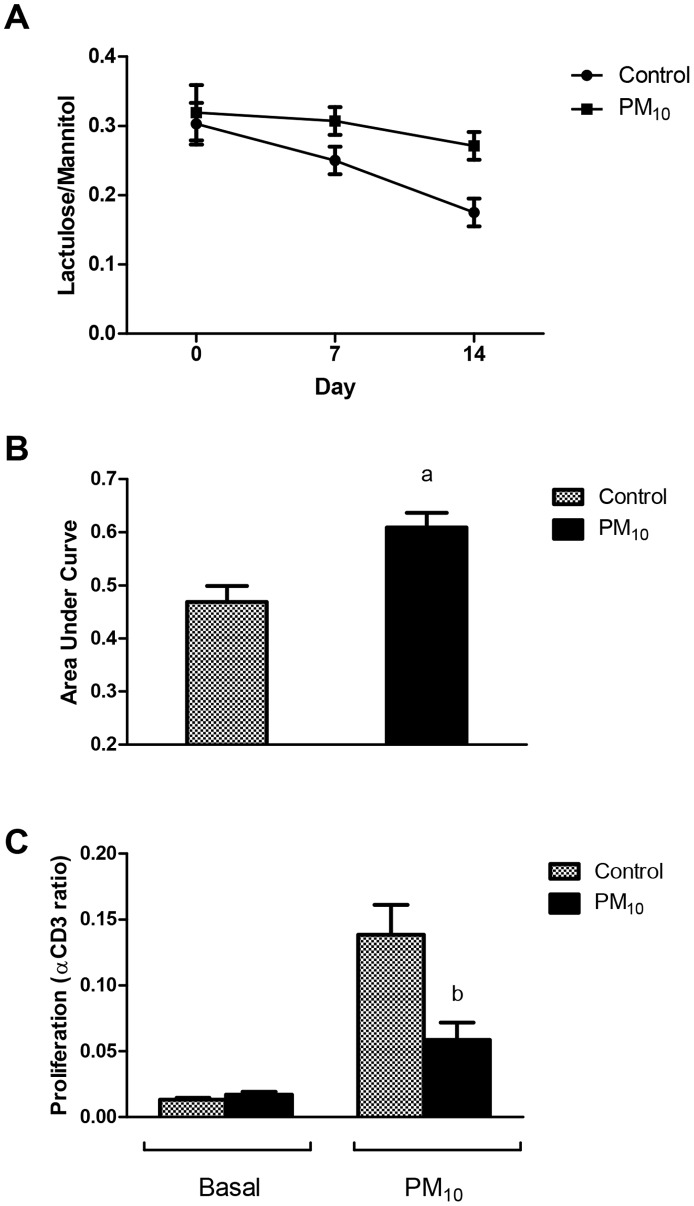
Wild-type 129/SvEv mice were gavaged with Ottawa urban PM10 (EHC-93) for 7-14 days and mucosal gene expression analyzed using Ingenuity Pathways software. Intestinal permeability was measured by lactulose/mannitol excretion in urine. At sacrifice, segments of small and large intestine were cultured and cytokine secretion measured. Splenocytes were isolated and incubated with PM10 for measurement of proliferation. Long-term effects of exposure (35 days) on intestinal cytokine expression were measured in wild-type and IL-10 deficient (IL-10(-/-)) mice. Microbial composition of stool samples was assessed using terminal restriction fragment length polymorphism. Short chain fatty acids were measured in caecum.
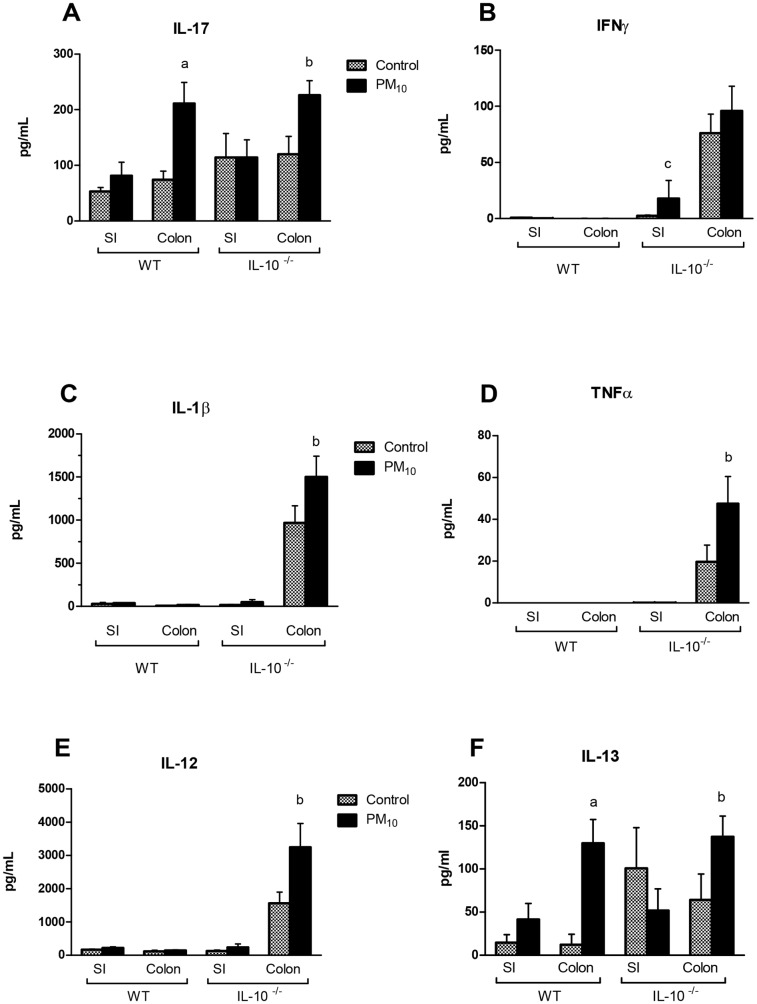
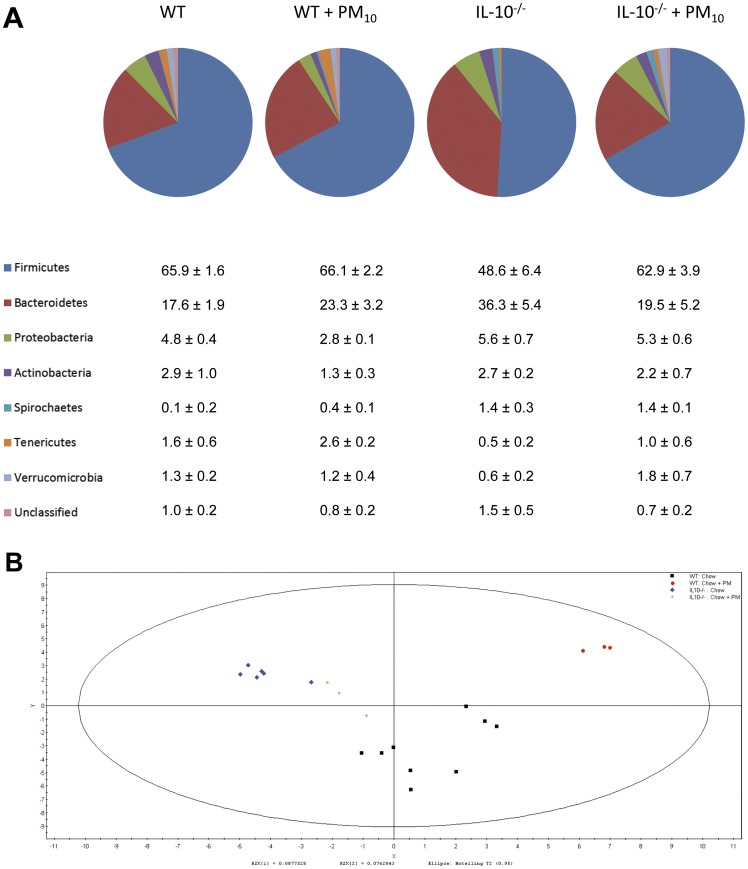
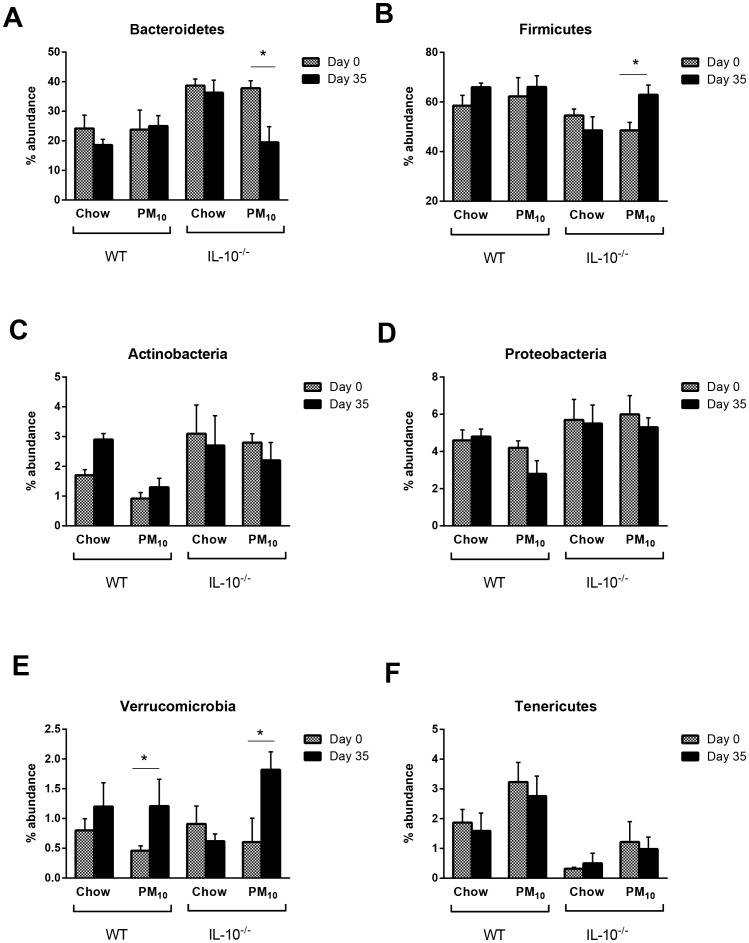
Short-term treatment of wild-type mice with PM10 altered immune gene expression, enhanced pro-inflammatory cytokine secretion in the small intestine, increased gut permeability, and induced hyporesponsiveness in splenocytes. Long-term treatment of wild-type and IL-10(-/-) mice increased pro-inflammatory cytokine expression in the colon and altered short chain fatty acid concentrations and microbial composition. IL-10(-/-) mice had increased disease as evidenced by enhanced histological damage.
Ingestion of airborne particulate matter alters the gut microbiome and induces acute and chronic inflammatory responses in the intestine.
颗粒物(PM)是环境空气中的一种主要污染物,与城市环境中的负面健康状况有关。本研究旨在研究口服 PM 对正常和炎症条件下肠道微生物组和免疫功能的影响。
用渥太华城市 PM10(EHC-93)灌胃野生型 129/SvEv 小鼠 7-14 天,使用 IPA 软件分析粘膜基因表达。通过尿中乳果糖/甘露醇排泄测量肠道通透性。处死时,培养小肠和大肠段并测量细胞因子分泌。分离脾细胞并与 PM10 孵育以测量增殖。在野生型和 IL-10 缺陷(IL-10(-/-)) 小鼠中测量暴露(35 天)对肠道细胞因子表达的长期影响。使用末端限制性片段长度多态性评估粪便样本中的微生物组成。测量盲肠中的短链脂肪酸。
短期用 PM10 处理野生型小鼠改变了免疫基因表达,增强了小肠中促炎细胞因子的分泌,增加了肠道通透性,并诱导脾细胞低反应性。野生型和 IL-10(-/-) 小鼠的长期治疗增加了结肠中促炎细胞因子的表达,并改变了短链脂肪酸浓度和微生物组成。IL-10(-/-) 小鼠的疾病增加,表现为组织学损伤增强。
吸入空气中的颗粒物会改变肠道微生物组,并在肠道中引起急性和慢性炎症反应。