Cogălniceanu Dan, Székely Paul, Samoilă Ciprian, Ruben Iosif, Tudor Marian, Plăiaşu Rodica, Stănescu Florina, Rozylowicz Laurenţiu
University Ovidius Constanţa, Faculty of Natural Sciences and Agricultural Sciences, Al. Universităţii 1, corp B, Constanţa 900470, Romania.
Zookeys. 2013 Apr 30(296):35-57. doi: 10.3897/zookeys.296.4872. Print 2013.
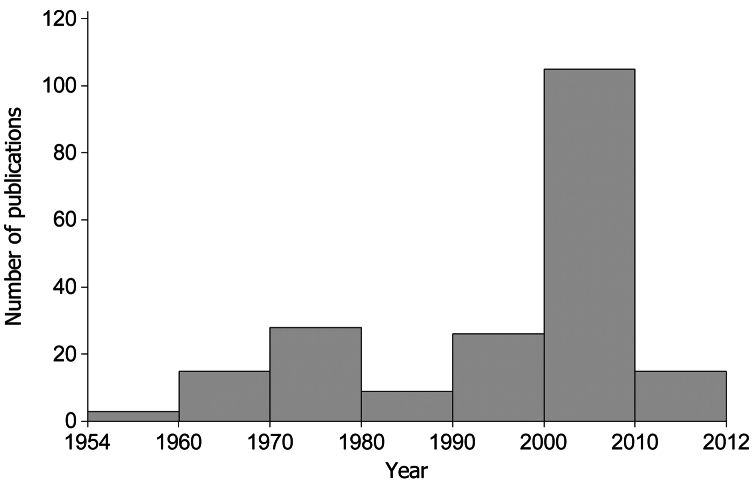
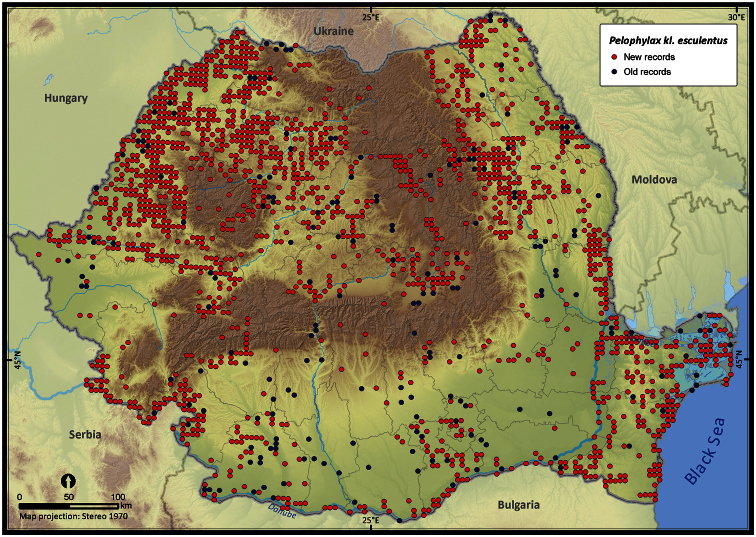
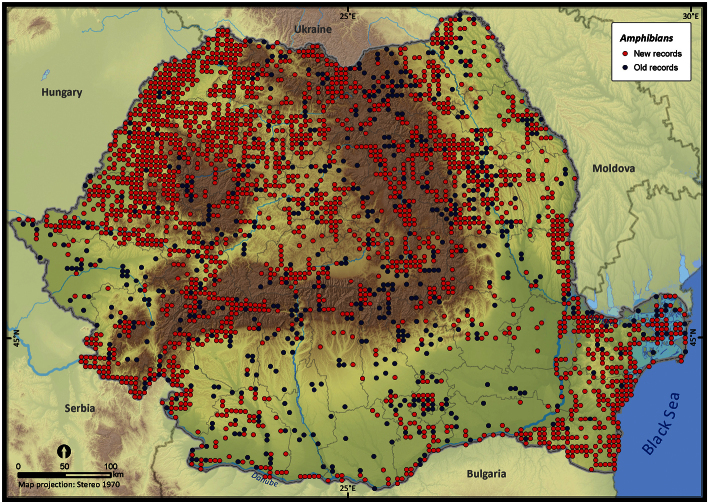
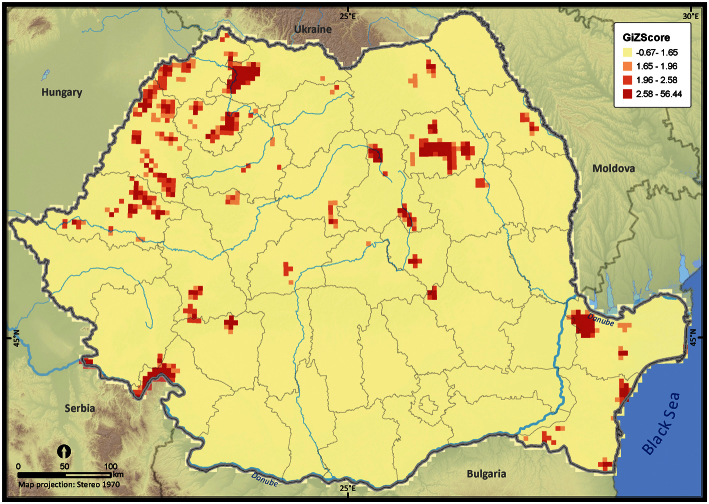
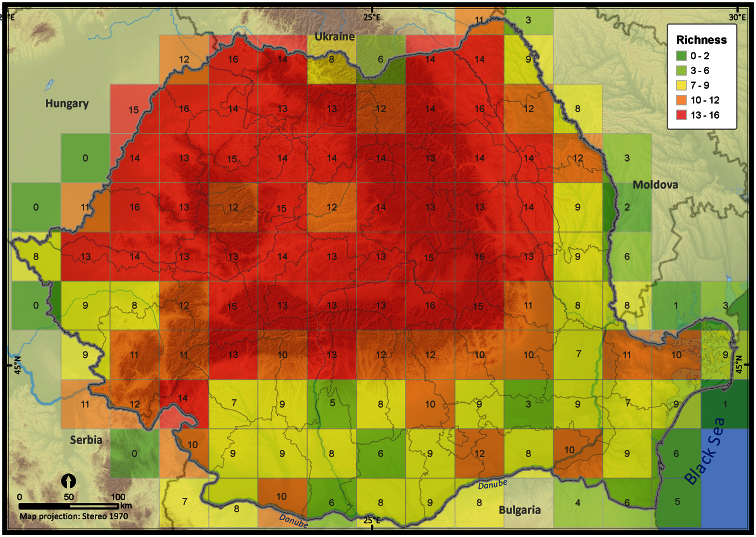
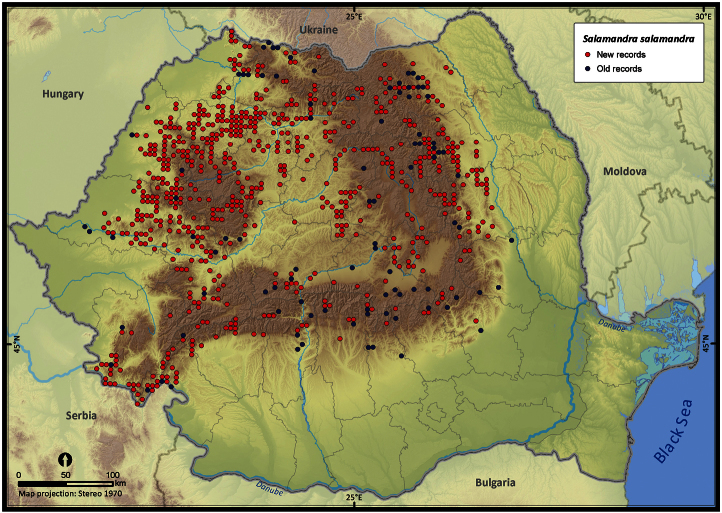
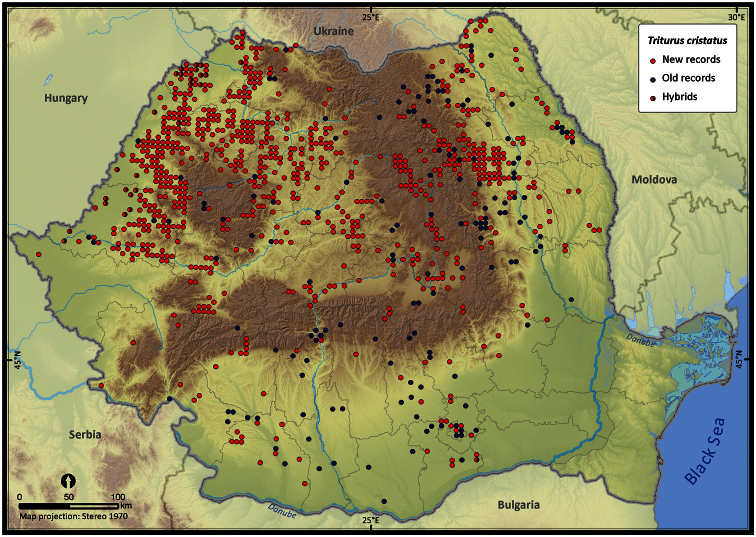
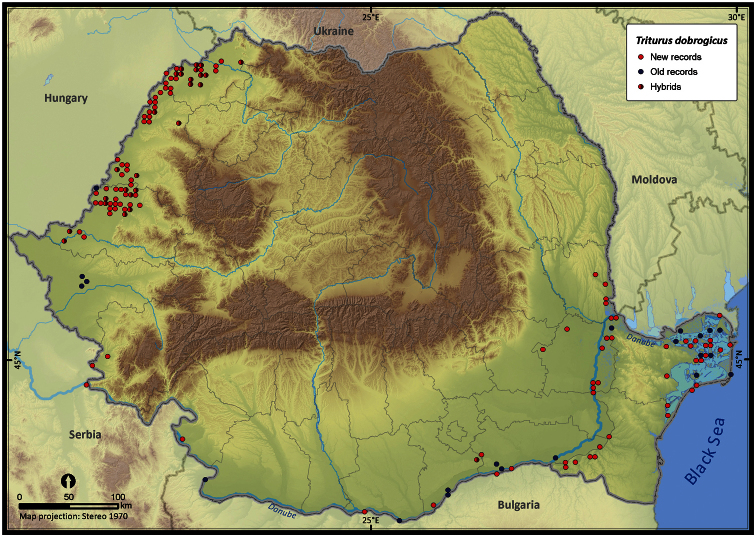
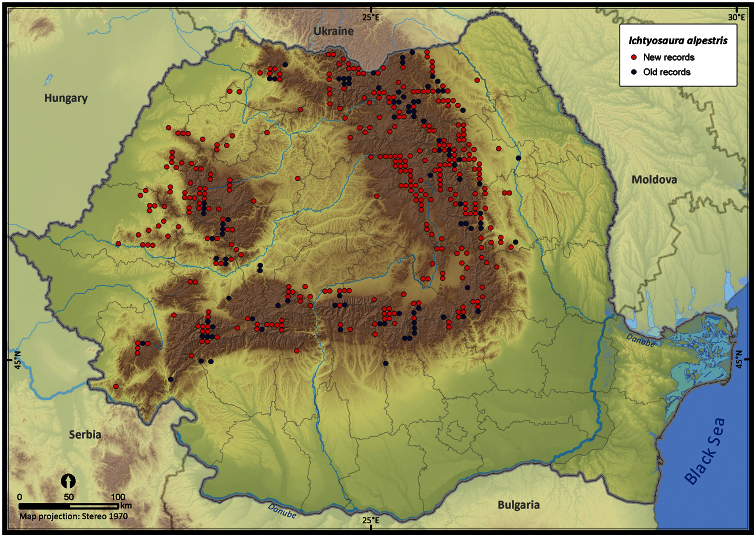
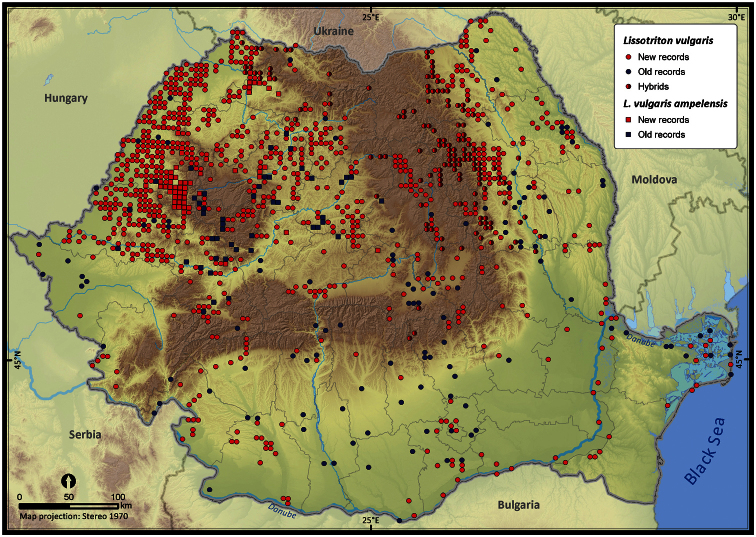
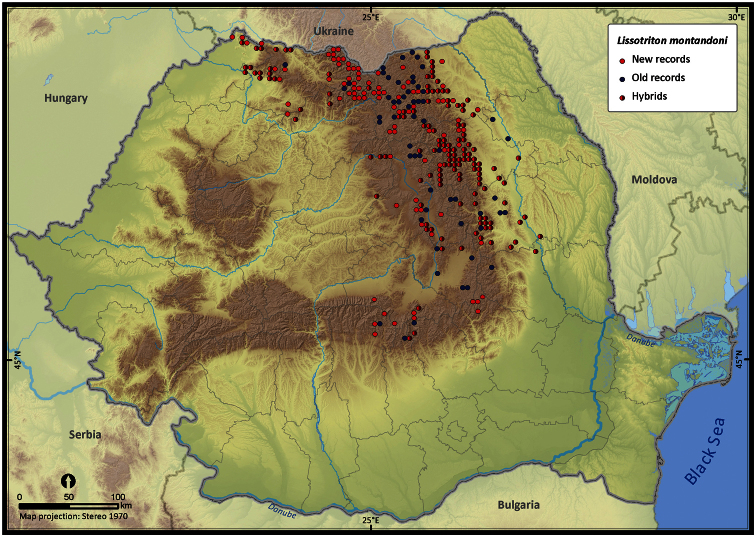
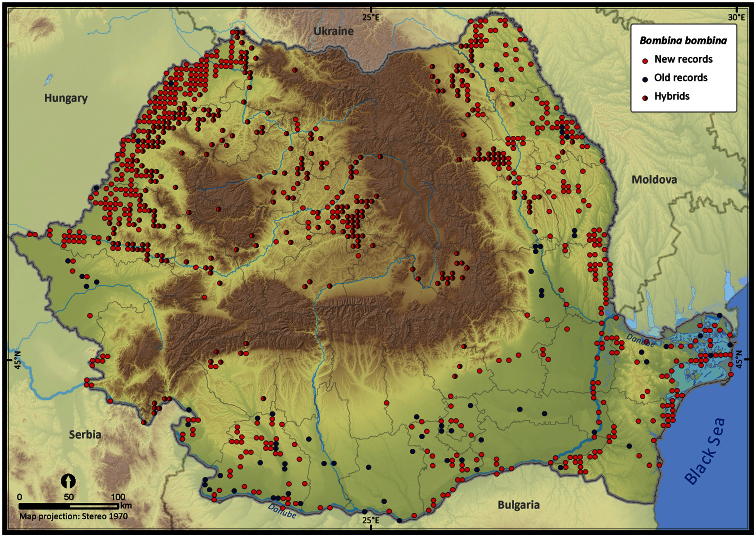
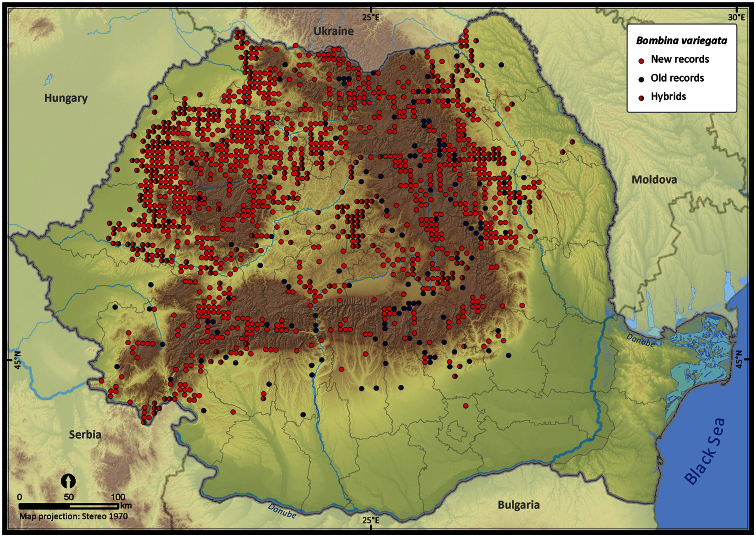
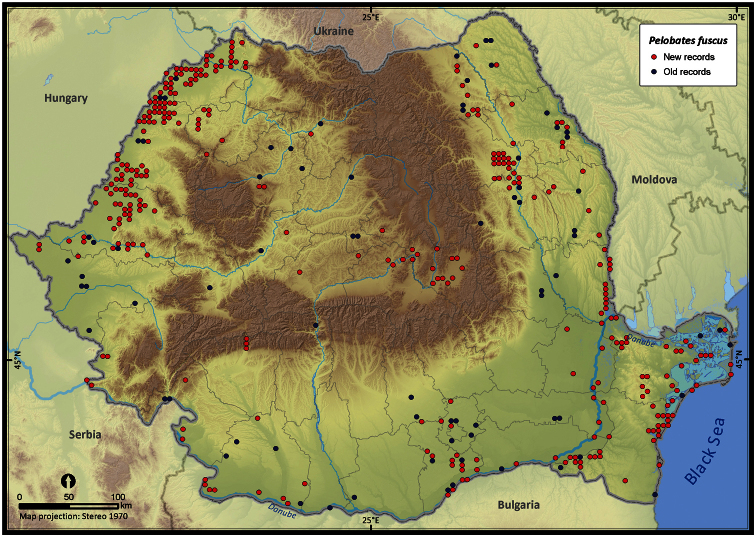
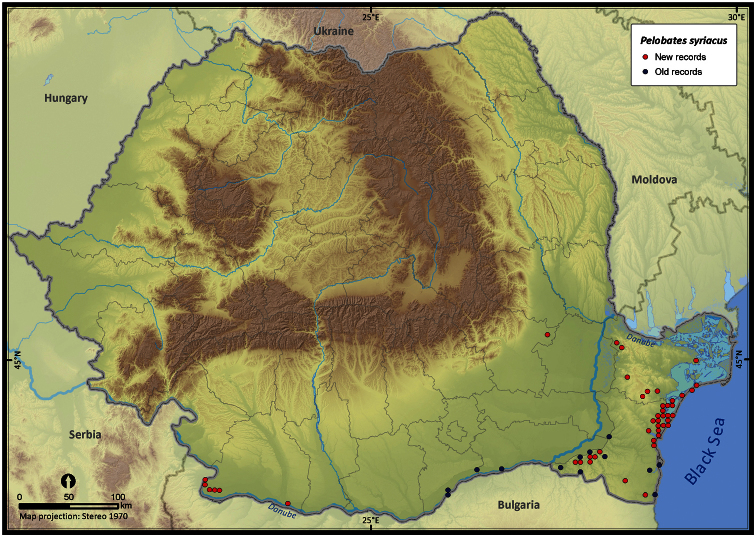
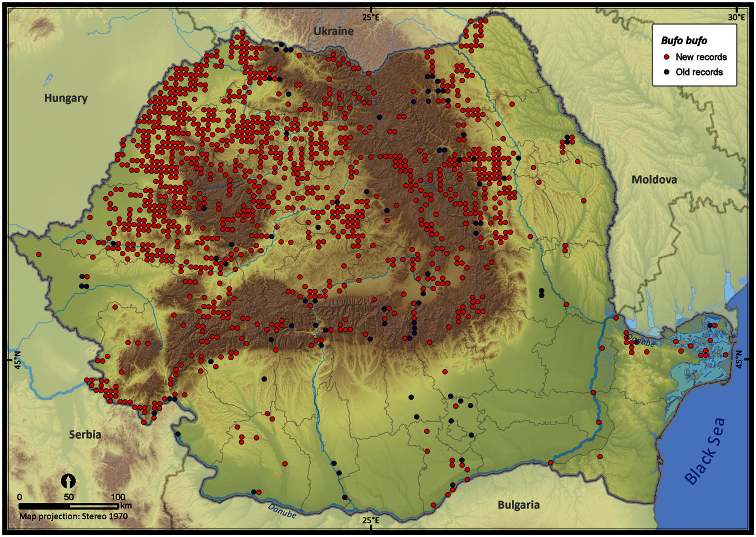
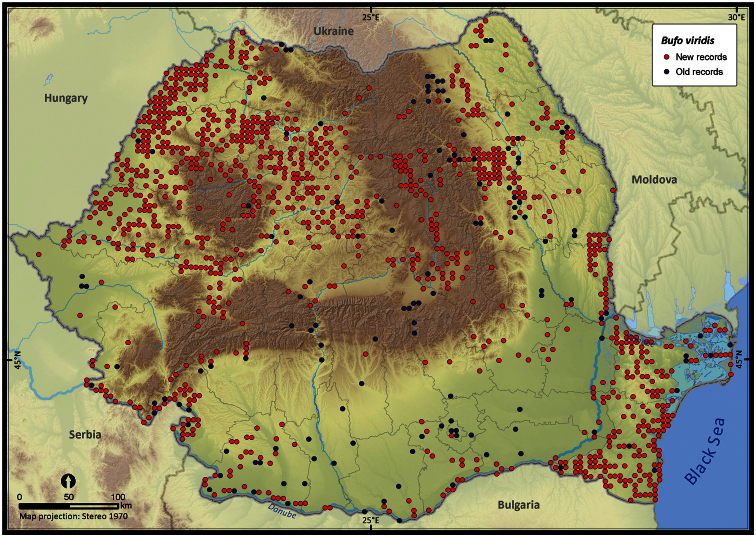
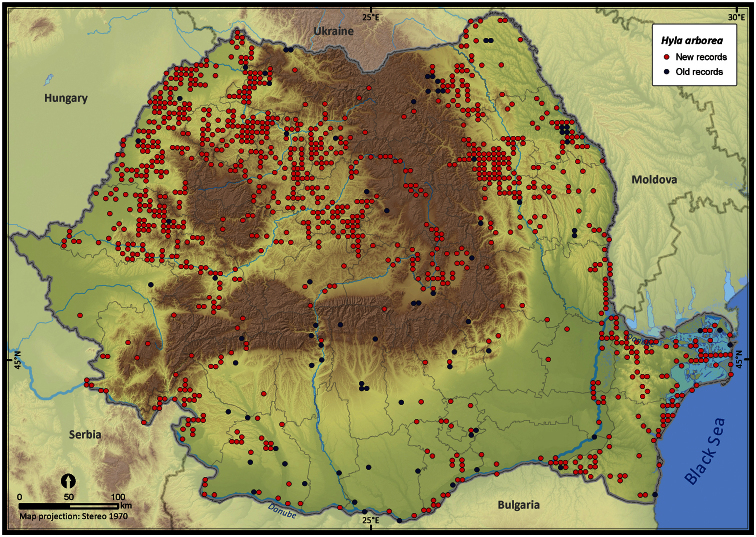
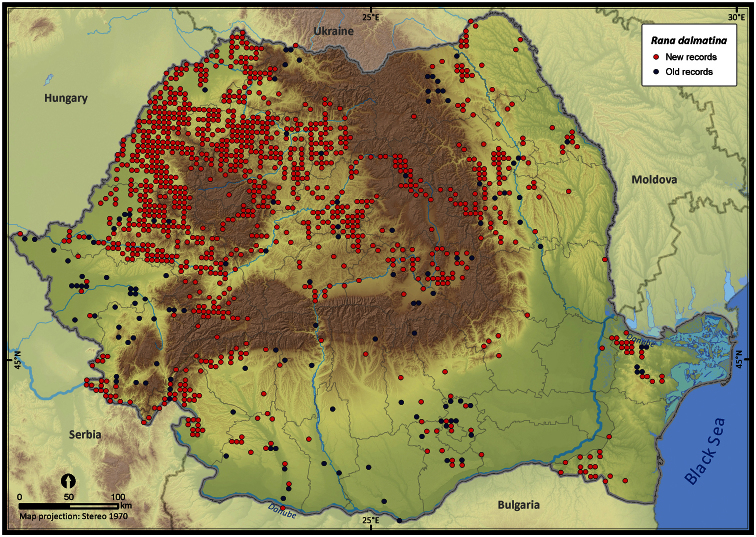
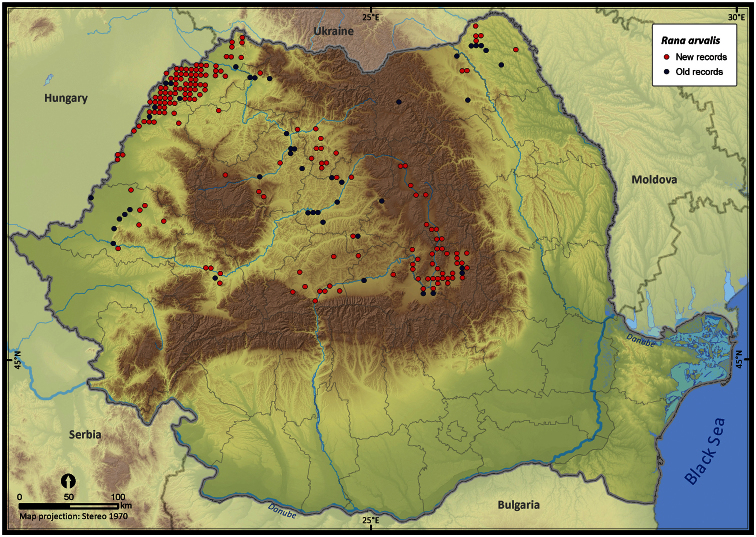
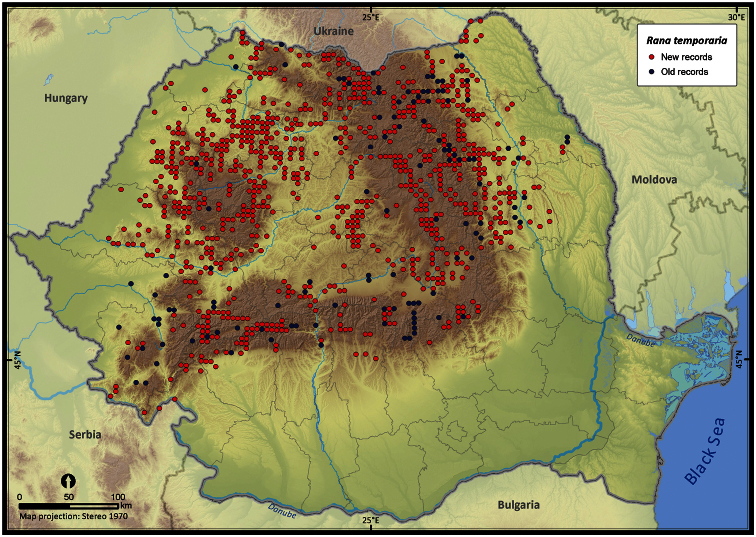
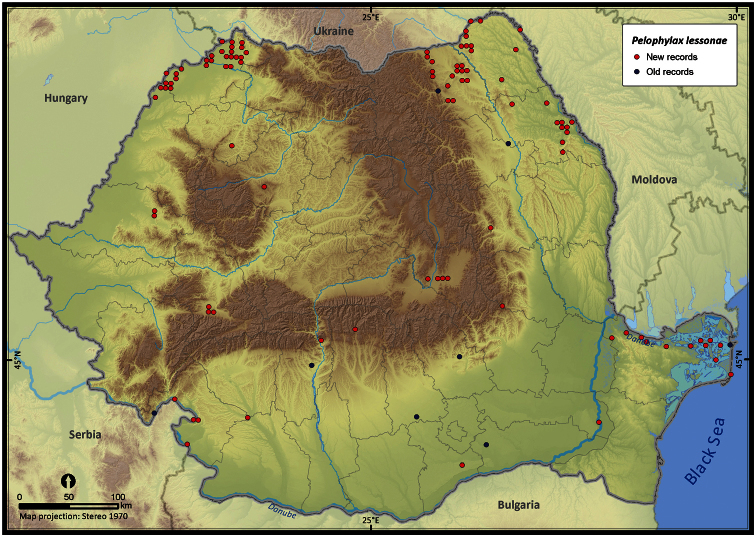
Nineteen species of amphibians inhabit Romania, 9 of which reach their range limit on this territory. Based on published occurrence reports, museum collections and our own data we compiled a national database of amphibian occurrences. We georeferenced 26779 amphibian species occurrences, and performed an analysis of their spatial patterns, checking for hotspots and patterns of species richness. The results of spatial statistic analyses supported the idea of a biased sampling for Romania, with clear hotspots of increased sampling efforts. The sampling effort is biased towards species with high detectability, protected areas, and large cities. Future sampling efforts should be focused mostly on species with a high rarity score in order to accurately map their range. Our results are an important step in achieving the long-term goals of increasing the efficiency of conservation efforts and evaluating the species range shifts under climate change scenarios.
罗马尼亚有19种两栖动物,其中9种在该国领土上达到其分布范围的极限。基于已发表的出现报告、博物馆藏品以及我们自己的数据,我们编制了一个全国性的两栖动物出现情况数据库。我们对26779次两栖动物物种出现情况进行了地理定位,并对其空间格局进行了分析,检查热点区域和物种丰富度模式。空间统计分析结果支持了罗马尼亚存在抽样偏差的观点,抽样努力明显集中在某些热点区域。抽样努力偏向于易于发现的物种、保护区和大城市。未来的抽样努力应主要集中在稀有度评分高的物种上,以便准确绘制它们的分布范围。我们的研究结果是朝着提高保护工作效率和评估气候变化情景下物种分布范围变化的长期目标迈出的重要一步。