Rico-Bautista Elizabeth, Zhu Wenhong, Kitada Shinichi, Ganapathy Suthakar, Lau Eric, Krajewski Stan, Ramirez Joel, Bush Jason A, Yuan Zhimin, Wolf Dieter A
Signal Transduction Program, Sanford-Burnham Medical Research Institute, La Jolla, CA, USA.
Oncotarget. 2013 Aug;4(8):1212-29. doi: 10.18632/oncotarget.1130.
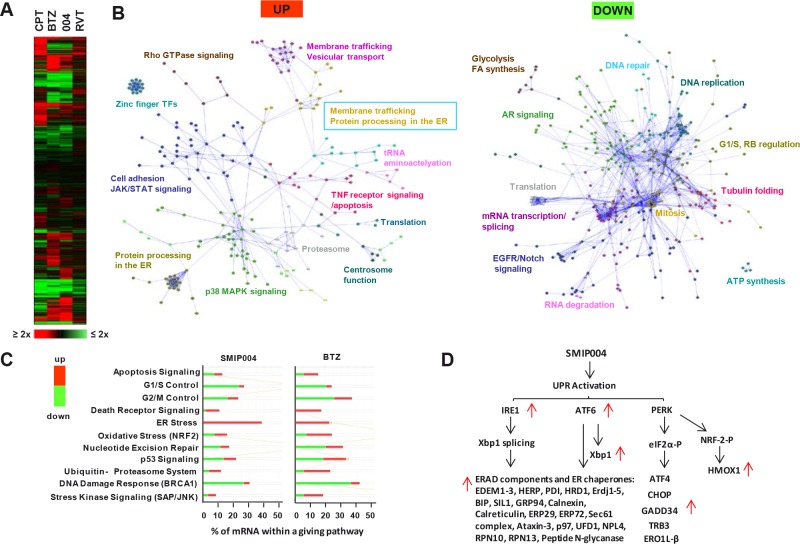
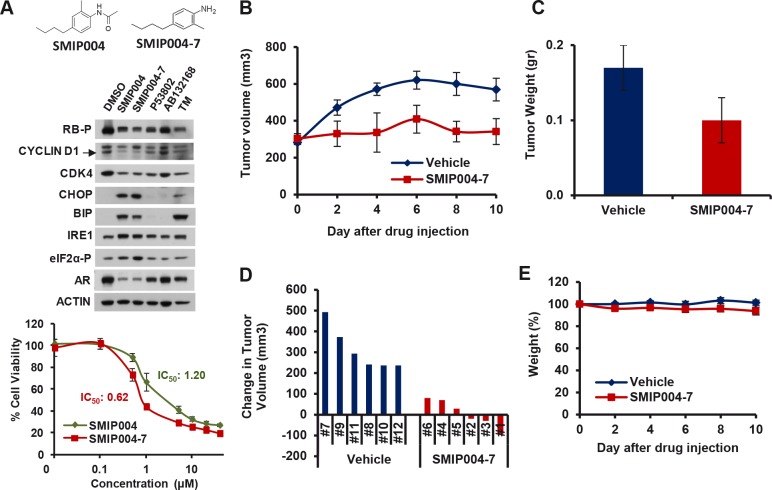
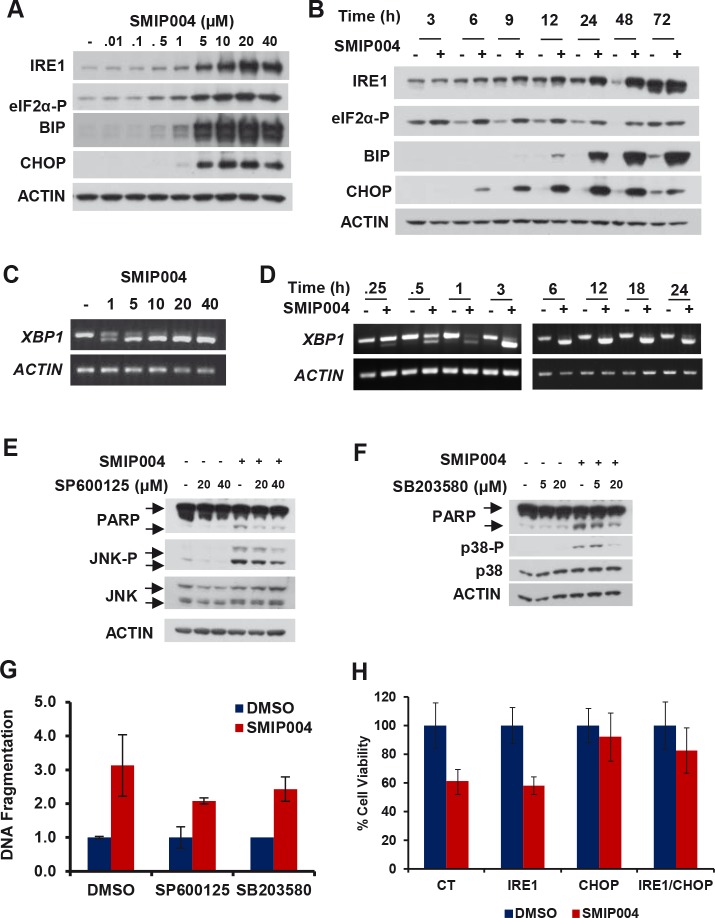
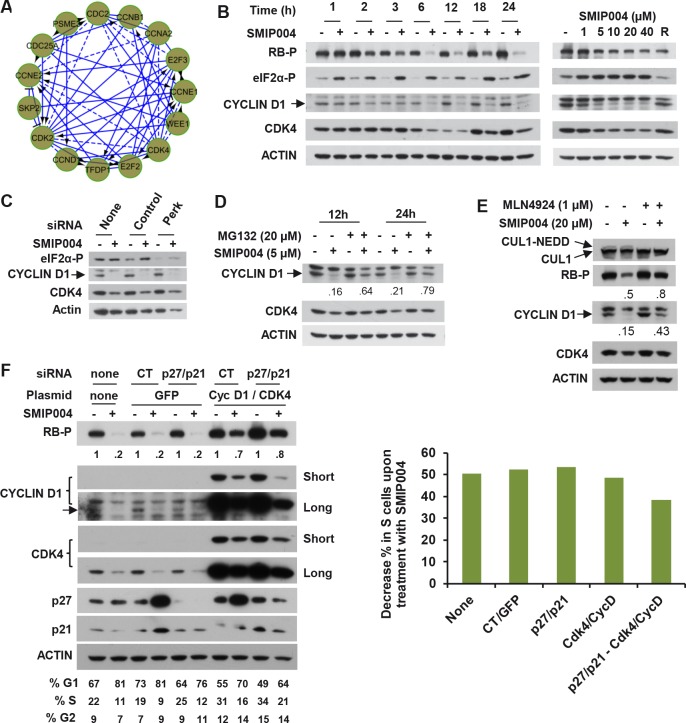
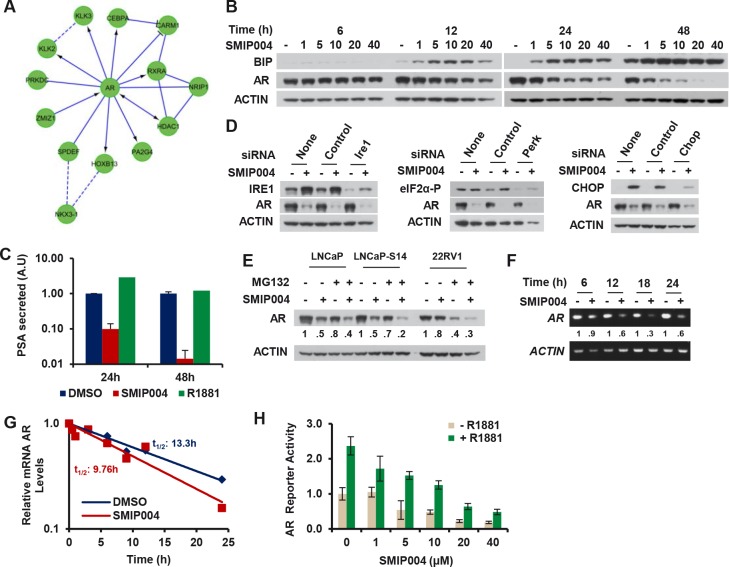
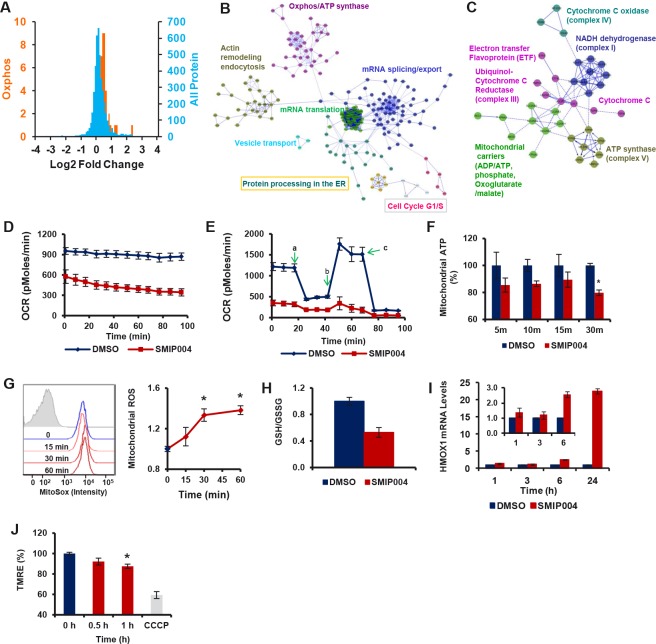
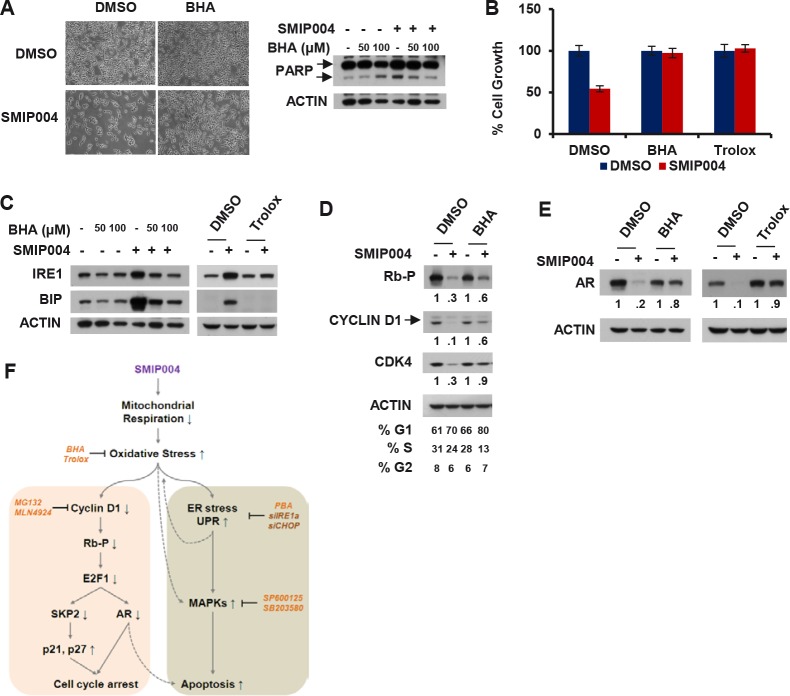
We previously identified SMIP004 (N-(4-butyl-2-methyl-phenyl) acetamide) as a novel inducer of cancer-cell selective apoptosis of human prostate cancer cells. SMIP004 decreased the levels of positive cell cycle regulators, upregulated cyclin-dependent kinase inhibitors, and resulted in G1 arrest, inhibition of colony formation in soft agar, and cell death. However, the mechanism of SMIP004-induced cancer cell selective apoptosis remained unknown. Here, we used chemical genomic and proteomic profiling to unravel a SMIP004-induced pro-apoptotic pathway, which initiates with disruption of mitochondrial respiration leading to oxidative stress. This, in turn, activates two pathways, one eliciting cell cycle arrest by rapidly targeting cyclin D1 for proteasomal degradation and driving the transcriptional downregulation of the androgen receptor, and a second pathway that activates pro-apoptotic signaling through MAPK activation downstream of the unfolded protein response (UPR). SMIP004 potently inhibits the growth of prostate and breast cancer xenografts in mice. Our data suggest that SMIP004, by inducing mitochondrial ROS formation, targets specific sensitivities of prostate cancer cells to redox and bioenergetic imbalances that can be exploited in cancer therapy.
我们之前鉴定出SMIP004(N-(4-丁基-2-甲基苯基)乙酰胺)是一种新型的人前列腺癌细胞选择性凋亡诱导剂。SMIP004降低了细胞周期正向调节因子的水平,上调了细胞周期蛋白依赖性激酶抑制剂,并导致G1期阻滞、抑制软琼脂中的集落形成以及细胞死亡。然而,SMIP004诱导癌细胞选择性凋亡的机制仍不清楚。在此,我们使用化学基因组学和蛋白质组学分析来揭示一条由SMIP004诱导的促凋亡途径,该途径始于线粒体呼吸的破坏,导致氧化应激。这进而激活两条途径,一条通过迅速将细胞周期蛋白D1靶向蛋白酶体降解并促使雄激素受体的转录下调来引发细胞周期阻滞,另一条途径通过未折叠蛋白反应(UPR)下游的MAPK激活来激活促凋亡信号。SMIP004能有效抑制小鼠体内前列腺癌和乳腺癌异种移植瘤的生长。我们的数据表明,SMIP004通过诱导线粒体ROS形成,针对前列腺癌细胞对氧化还原和生物能量失衡的特定敏感性,这可用于癌症治疗。