Kasid A, Morecki S, Aebersold P, Cornetta K, Culver K, Freeman S, Director E, Lotze M T, Blaese R M, Anderson W F
Surgery Branche, National Cancer Institute, Bethesda, MD 20892.
Proc Natl Acad Sci U S A. 1990 Jan;87(1):473-7. doi: 10.1073/pnas.87.1.473.
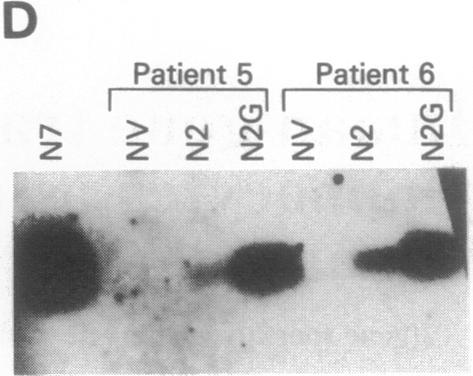
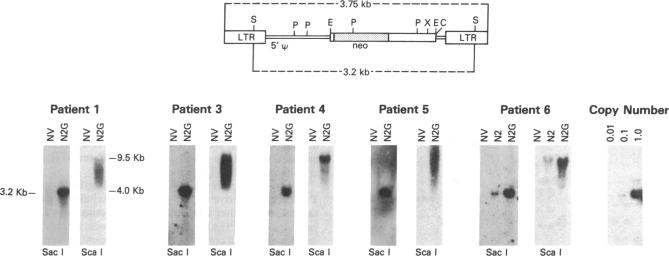
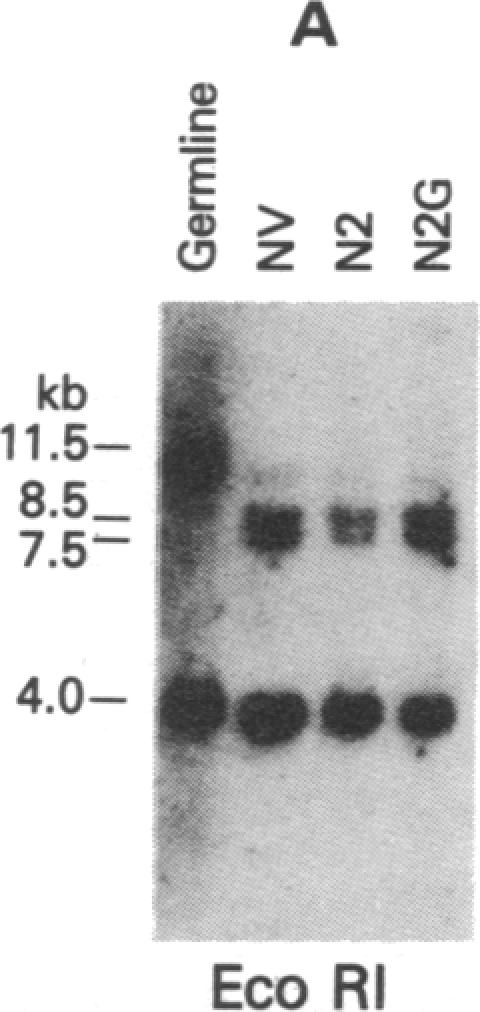
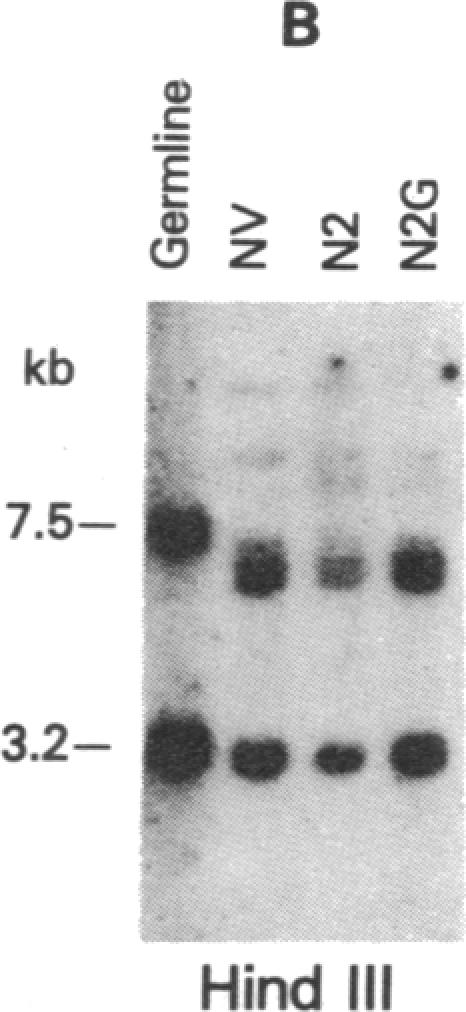
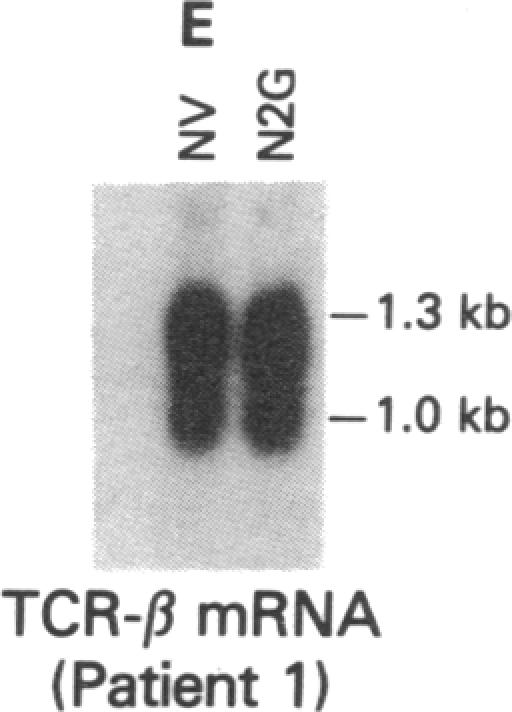
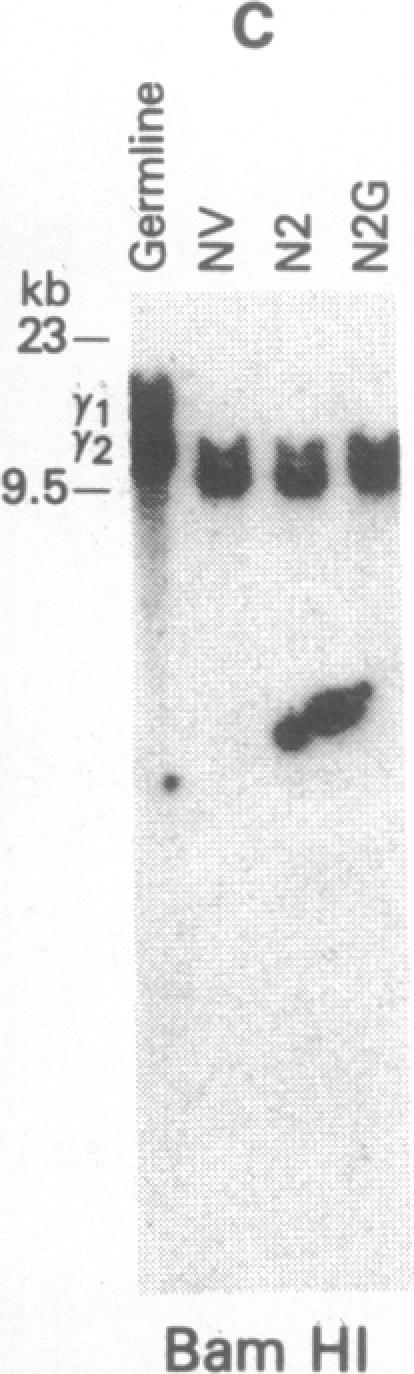
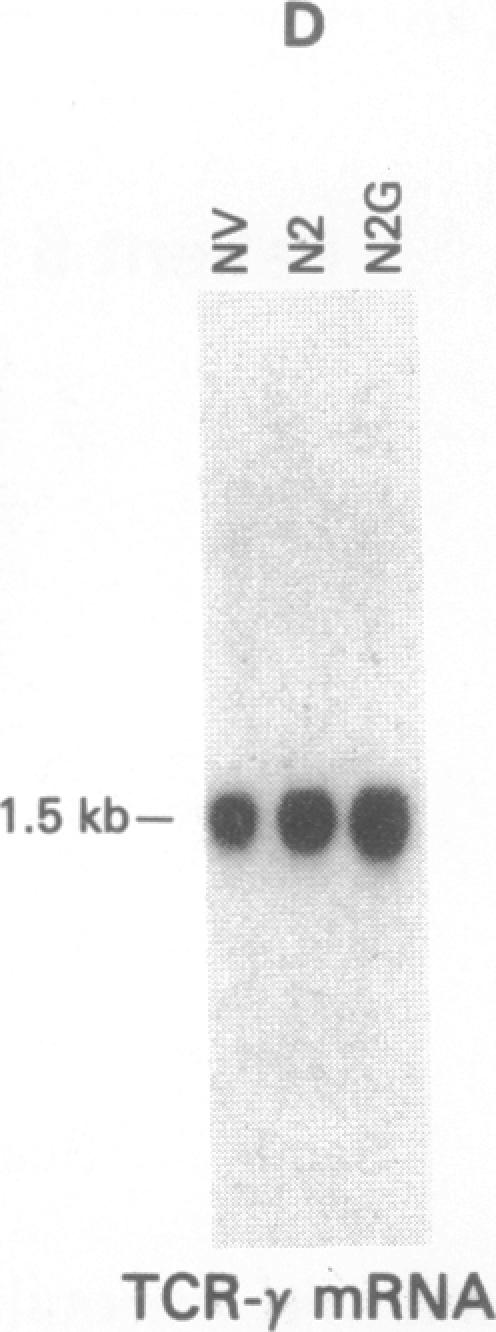
Tumor-infiltrating lymphocytes (TILs) are cells generated from tumor suspensions cultured in interleukin 2 that can mediate cancer regression when adoptively transferred into mice or humans. Since TILs proliferate rapidly in vitro, recirculate, and preferentially localize at the tumor site in vivo, they provide an attractive model for delivery of exogenous genetic material into man. To determine whether efficient gene transfer into TILs is feasible, we transduced human TILs with the bacterial gene for neomycin-resistance (NeoR) using the retroviral vector N2. The transduced TIL populations were stable and polyclonal with respect to the intact NeoR gene integration and expressed high levels of neomycin phosphotransferase activity. The NeoR gene insertion did not alter the in vitro growth pattern and interleukin 2 dependence of the transduced TILs. Analyses of T-cell receptor gene rearrangement for beta- and gamma-chain genes revealed the oligoclonal nature of the TIL populations with no major change in the DNA rearrangement patterns or the levels of mRNA expression of the beta and gamma chains following transduction and selection of TILs in the neomycin analog G418. Human TILs expressed mRNA for tumor necrosis factors (alpha and beta) and interleukin 2 receptor P55 but not for interleukin 1 beta, granulocyte/macrophage colony-stimulating factor, interleukin 6, and interferon gamma when grown with high-dose interleukin 2 without subsequent activation with mitogen or specific antigen. This pattern of cytokine-mRNA expression was not significantly altered following the transduction of TILs. The NeoR gene-transduced TILs could thus be used to follow the trafficking and survival of TILs in vivo, and clinical protocols using these transduced TILs in cancer patients have begun. The studies demonstrate the feasibility of TILs as suitable cellular vehicles for the introduction of therapeutic genes into patients receiving autologous TILs.
肿瘤浸润淋巴细胞(TILs)是从在白细胞介素2中培养的肿瘤悬液中产生的细胞,当将其过继转移到小鼠或人类体内时可介导癌症消退。由于TILs在体外迅速增殖、再循环并优先定位于体内肿瘤部位,它们为将外源遗传物质递送至人体提供了一个有吸引力的模型。为了确定向TILs进行高效基因转移是否可行,我们使用逆转录病毒载体N2用抗新霉素(NeoR)细菌基因转导人TILs。转导的TIL群体在完整的NeoR基因整合方面是稳定且多克隆的,并表达高水平的新霉素磷酸转移酶活性。NeoR基因插入并未改变转导的TILs的体外生长模式和对白细胞介素2的依赖性。对β链和γ链基因的T细胞受体基因重排分析揭示了TIL群体的寡克隆性质,在新霉素类似物G418中转导和选择TILs后,β链和γ链的DNA重排模式或mRNA表达水平没有重大变化。当在高剂量白细胞介素2中生长而无需随后用丝裂原或特异性抗原激活时,人TILs表达肿瘤坏死因子(α和β)和白细胞介素2受体P55的mRNA,但不表达白细胞介素1β、粒细胞/巨噬细胞集落刺激因子、白细胞介素6和干扰素γ的mRNA。在TILs转导后,这种细胞因子mRNA表达模式没有显著改变。因此,NeoR基因转导的TILs可用于追踪TILs在体内的运输和存活情况,并且已经开始了在癌症患者中使用这些转导的TILs的临床方案。这些研究证明了TILs作为将治疗基因引入接受自体TILs治疗的患者的合适细胞载体的可行性。