Xu Wenlong, Bony Badrul Alam, Kim Cho Rong, Baeck Jong Su, Chang Yongmin, Bae Ji Eun, Chae Kwon Seok, Kim Tae Jeong, Lee Gang Ho
Department of Chemistry, College of Natural Sciences, Kyungpook National University (KNU), Taegu 702-701, South Korea.
Sci Rep. 2013 Nov 13;3:3210. doi: 10.1038/srep03210.
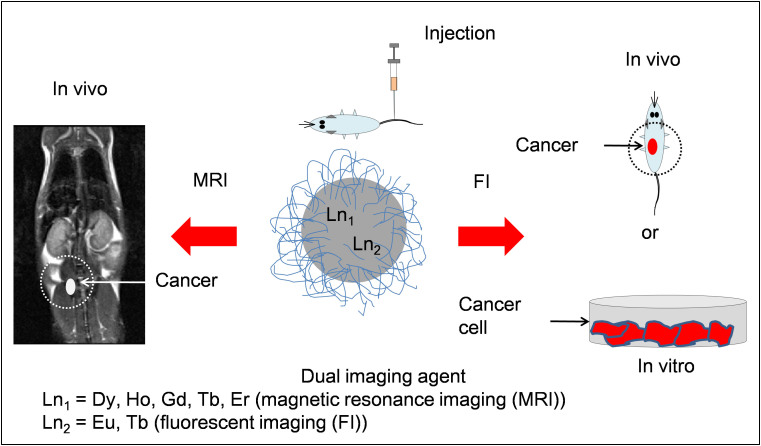
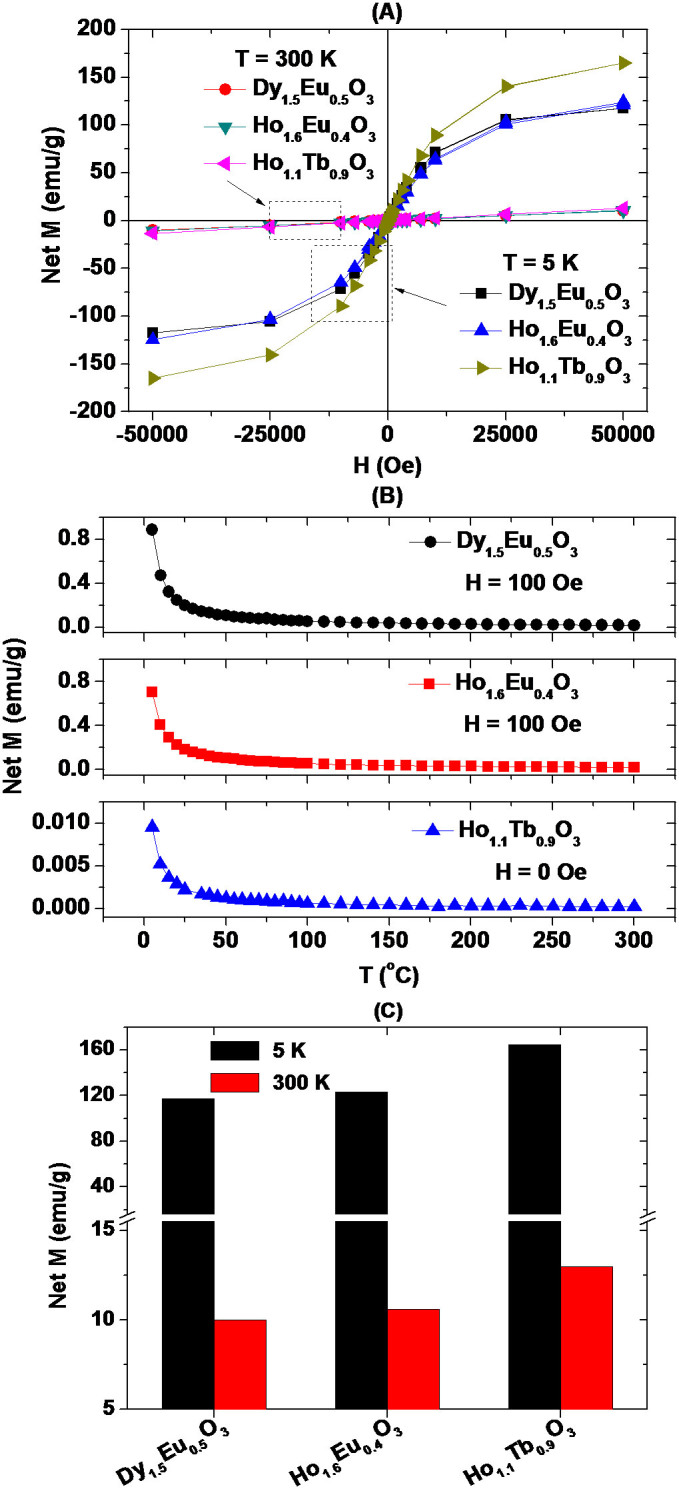
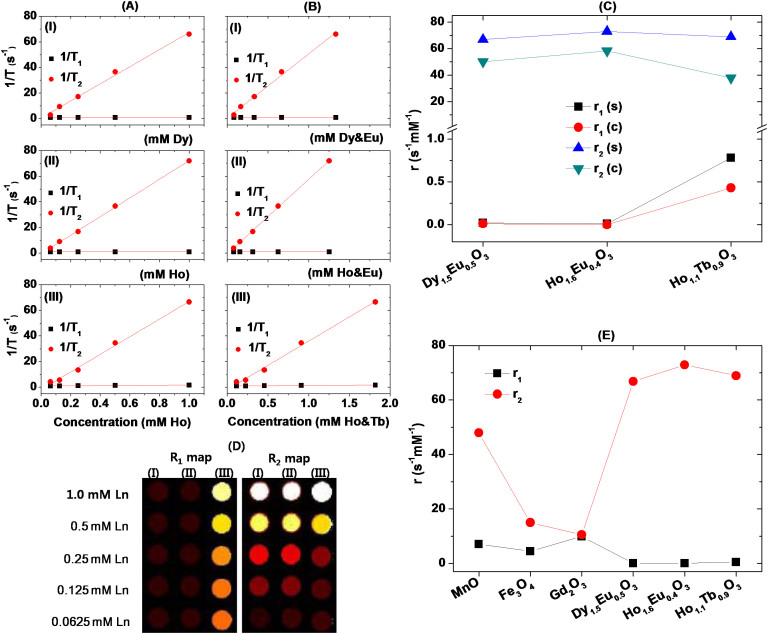
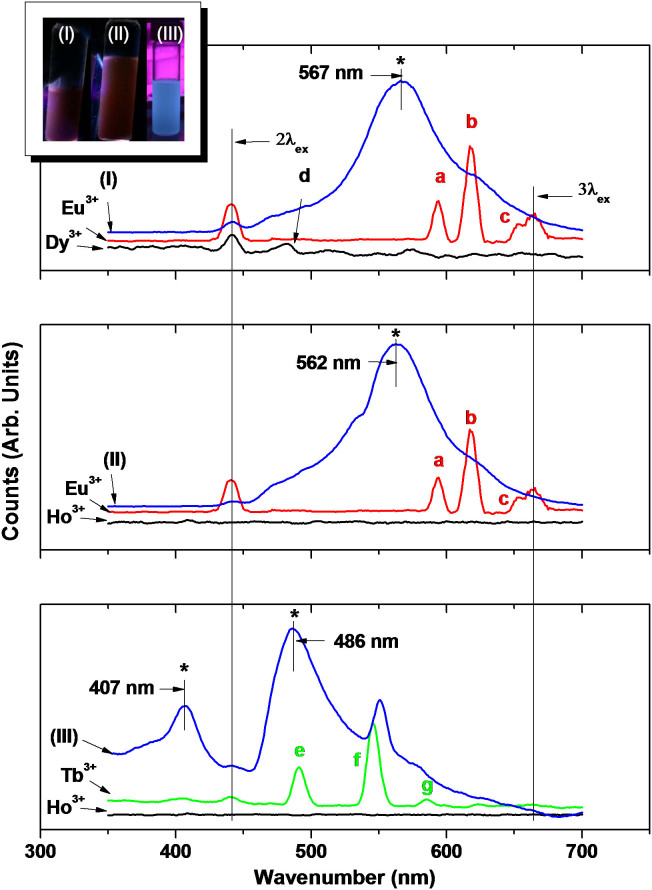
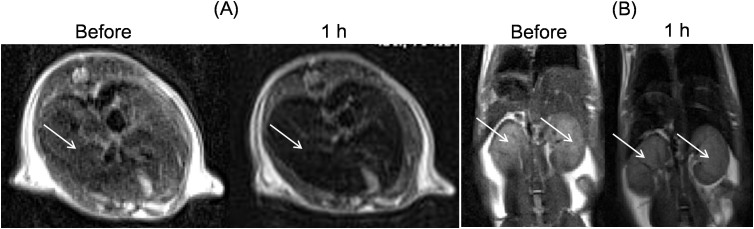
There is no doubt that the molecular imaging is an extremely important technique in diagnosing diseases. Dual imaging is emerging as a step forward in molecular imaging technique because it can provide us with more information useful for diagnosing diseases than single imaging. Therefore, diverse dual imaging modalities should be developed. Molecular imaging generally relies on imaging agents. Mixed lanthanide oxide nanoparticles could be valuable materials for dual magnetic resonance imaging (MRI)-fluorescent imaging (FI) because they have both excellent and diverse magnetic and fluorescent properties useful for dual MRI-FI, depending on lanthanide ions used. Since they are mixed nanoparticles, they are compact, robust, and stable, which is extremely useful for biomedical applications. They can be also easily synthesized with facile composition control. In this study, we explored three systems of ultrasmall mixed lanthanide (Dy/Eu, Ho/Eu, and Ho/Tb) oxide nanoparticles to demonstrate their usefulness as dual T2 MRI-FI agents.
毫无疑问,分子成像在疾病诊断中是一项极其重要的技术。双模态成像作为分子成像技术的一个进步正在兴起,因为它比单模态成像能为我们提供更多有助于疾病诊断的信息。因此,应开发多种双模态成像方式。分子成像一般依赖于成像剂。混合稀土氧化物纳米粒子可能是用于双模态磁共振成像(MRI)-荧光成像(FI)的有价值材料,因为根据所使用的稀土离子,它们具有优异且多样的磁学和荧光特性,可用于双模态MRI-FI。由于它们是混合纳米粒子,所以紧凑、坚固且稳定,这对生物医学应用极为有用。它们还可以通过简便的成分控制轻松合成。在本研究中,我们探索了三种超小混合稀土(镝/铕、钬/铕和钬/铽)氧化物纳米粒子体系,以证明它们作为双模态T2 MRI-FI剂的实用性。