Balbo Silvia, Turesky Robert J, Villalta Peter W
Department of Medicinal Chemistry and ‡The Masonic Cancer Center, University of Minnesota , Minneapolis, Minnesota 55455, United States.
Chem Res Toxicol. 2014 Mar 17;27(3):356-66. doi: 10.1021/tx4004352. Epub 2014 Feb 25.
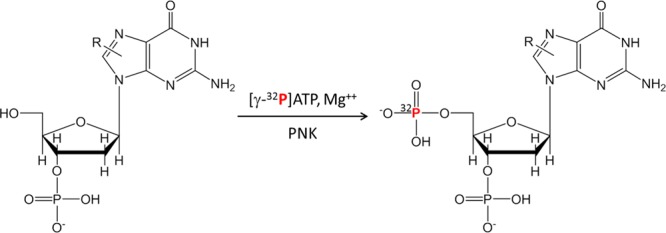
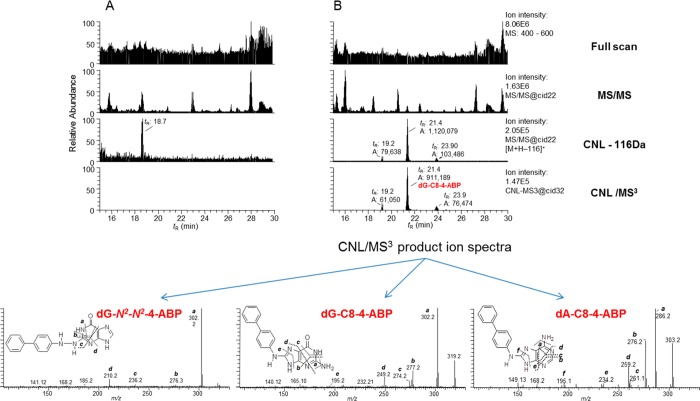
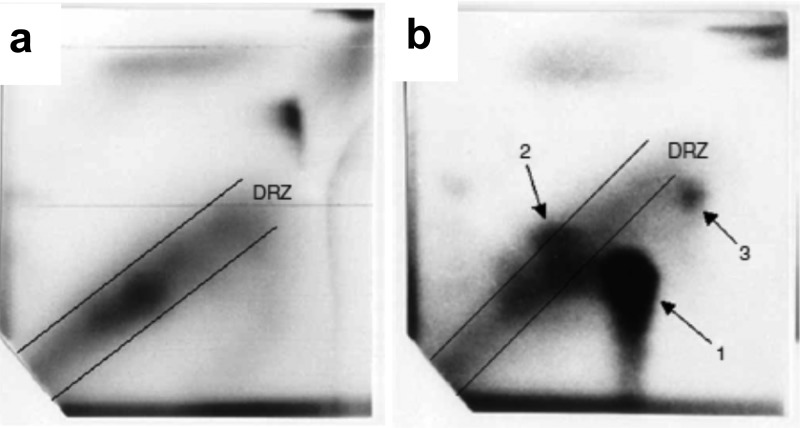
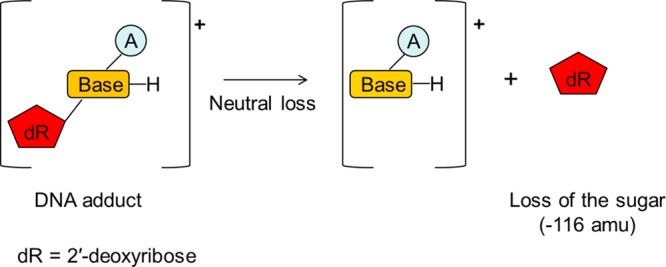
Systems toxicology is a broad-based approach to describe many of the toxicological features that occur within a living system under stress or subjected to exogenous or endogenous exposures. The ultimate goal is to capture an overview of all exposures and the ensuing biological responses of the body. The term exposome has been employed to refer to the totality of all exposures, and systems toxicology investigates how the exposome influences health effects and consequences of exposures over a lifetime. The tools to advance systems toxicology include high-throughput transcriptomics, proteomics, metabolomics, and adductomics, which is still in its infancy. A well-established methodology for the comprehensive measurement of DNA damage resulting from every day exposures is not fully developed. During the past several decades, the (32)P-postlabeling technique has been employed to screen the damage to DNA induced by multiple classes of genotoxicants; however, more robust, specific, and quantitative methods have been sought to identify and quantify DNA adducts. Although triple quadrupole and ion trap mass spectrometry, particularly when using multistage scanning (LC-MS(n)), have shown promise in the field of DNA adductomics, it is anticipated that high-resolution and accurate-mass LC-MS(n) instrumentation will play a major role in assessing global DNA damage. Targeted adductomics should also benefit greatly from improved triple quadrupole technology. Once the analytical MS methods are fully mature, DNA adductomics along with other -omics tools will contribute greatly to the field of systems toxicology.
系统毒理学是一种广泛的方法,用于描述在应激状态下或受到外源性或内源性暴露的生物系统中出现的许多毒理学特征。最终目标是全面了解所有暴露情况以及身体随之产生的生物学反应。“暴露组”一词已被用于指代所有暴露的总和,系统毒理学研究暴露组如何在一生中影响健康效应和暴露后果。推动系统毒理学发展的工具包括高通量转录组学、蛋白质组学、代谢组学和加合物组学(加合物组学仍处于起步阶段)。一种用于全面测量日常暴露导致的DNA损伤的成熟方法尚未完全开发出来。在过去几十年中,(32)P后标记技术已被用于筛选多类基因毒性剂诱导的DNA损伤;然而,人们一直在寻求更强大、更特异和更定量的方法来鉴定和定量DNA加合物。尽管三重四极杆和离子阱质谱,特别是在使用多级扫描(LC-MS(n))时,在DNA加合物组学领域已显示出前景,但预计高分辨率和精确质量的LC-MS(n)仪器将在评估全球DNA损伤中发挥主要作用。靶向加合物组学也将从改进的三重四极杆技术中受益匪浅。一旦分析型质谱方法完全成熟,DNA加合物组学以及其他组学工具将对系统毒理学领域做出巨大贡献。