Oral Nanoscience, School of Oral and Dental Sciences, University of Bristol, Lower Maudlin St, Bristol, BS1 2LY, UK.
J Nanobiotechnology. 2014 Jan 23;12:3. doi: 10.1186/1477-3155-12-3.
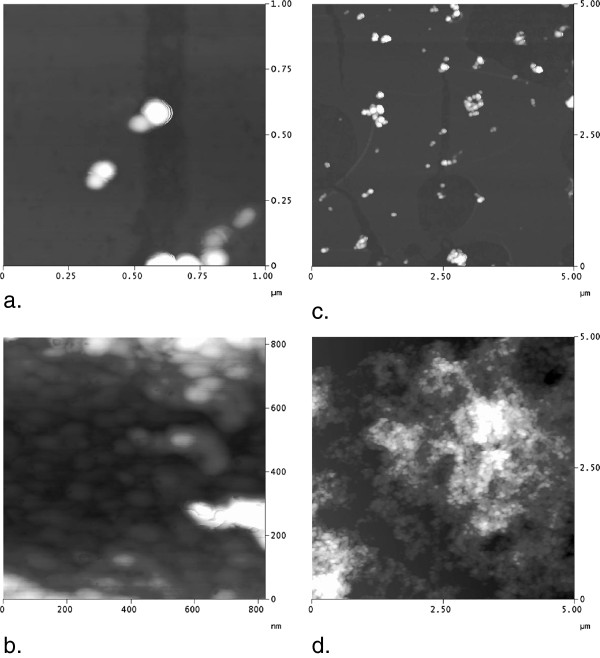
Glass ionomer cements (GICs) are a class of dental biomaterials. They have a wide range of uses including permanent restorations (fillings), cavity linings, fissure sealants and adhesives. One of the most common reasons for replacing a dental restoration is recurrent bacterial tooth decay around the margins of the biomaterial. Therefore, a dental biomaterial which creates a sustained antimicrobial environment around the restoration would be of considerable clinical benefit. In this manuscript, the formulation of a GIC containing novel antimicrobial nanoparticles composed of chlorhexidine hexametaphosphate at 1, 2, 5, 10 and 20% powder substitution by mass is reported. The aim is to create GICs which contain chlorhexidine-hexametaphosphate nanoparticles and characterize the nanoparticle size, morphology and charge and the release of chlorhexidine and fluoride, tensile strength and morphology of the GICs.
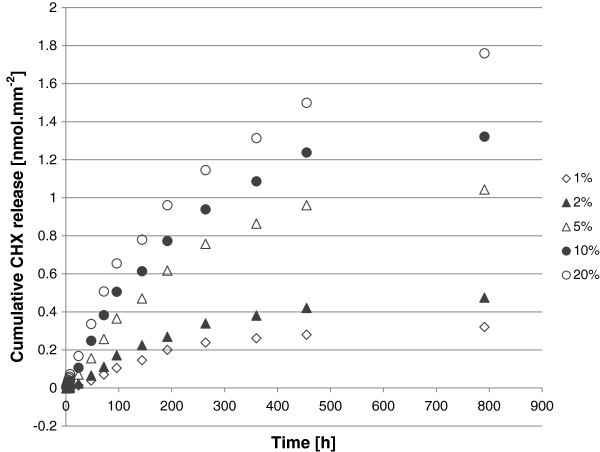
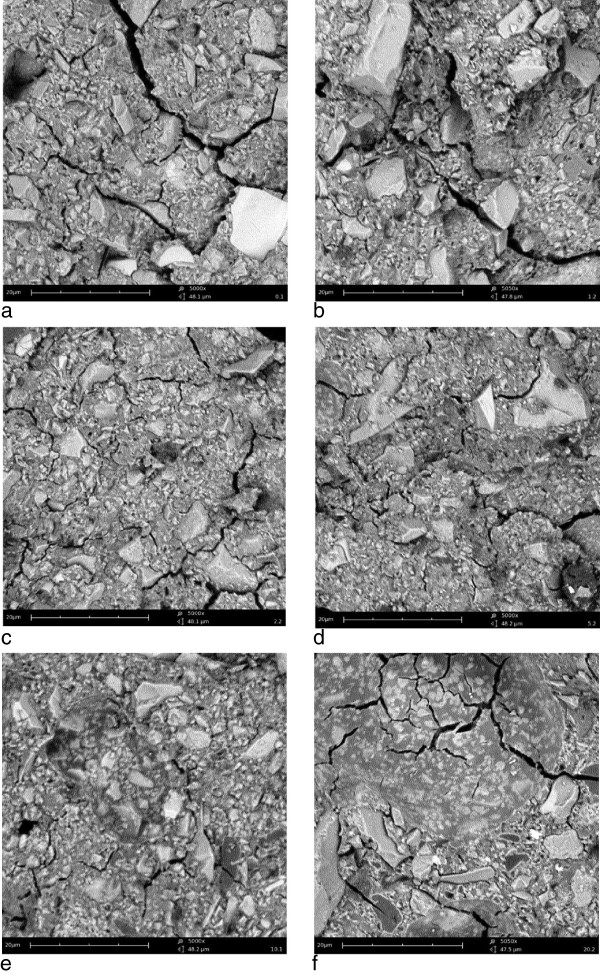
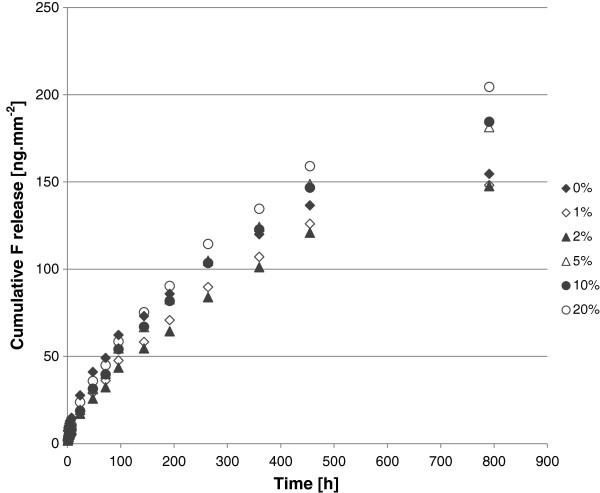
The GICs released chlorhexidine, which is a broad spectrum antimicrobial agent effective against a wide range of oral bacteria, over the duration of the experiment in a dose-dependent manner. This was not at the expense of other properties; fluoride release was not significantly affected by the substitution of antimicrobial nanoparticles in most formulations and internal structure appeared unaffected up to and including 10% substitution. Diametral tensile strength decreased numerically with substitutions of 10 and 20% nanoparticles but this difference was not statistically significant.
A series of GICs functionalized with chlorhexidine-hexametaphosphate nanoparticles were created for the first time. These released chlorhexidine in a dose-dependent manner. These materials may find application in the development of a new generation of antimicrobial dental nanomaterials.
玻璃离子水门汀(GICs)是一类牙科生物材料。它们的用途广泛,包括永久性修复(填充物)、窝洞衬里、窝沟封闭剂和黏合剂。更换牙科修复体的最常见原因之一是生物材料边缘周围细菌再次引起的牙齿腐烂。因此,一种能够在修复体周围持续产生抗菌环境的牙科生物材料将具有显著的临床益处。在本文中,报道了一种含有新型抗菌纳米粒子的 GIC 的配方,这些纳米粒子由洗必泰六亚甲基膦酸盐组成,以 1、2、5、10 和 20%的质量替代粉末。目的是制备含有洗必泰六亚甲基膦酸盐纳米粒子的 GIC,并对纳米粒子的尺寸、形态和电荷以及洗必泰和氟化物的释放、GIC 的拉伸强度和形态进行表征。
GIC 在实验过程中以剂量依赖的方式释放出洗必泰,这是一种广谱抗菌剂,对多种口腔细菌有效。这并没有影响到其他性能;在大多数配方中,替代抗菌纳米粒子不会显著影响氟化物的释放,内部结构在高达 10%的替代率下也没有受到影响。直径拉伸强度随着 10%和 20%纳米粒子的替代而数值上降低,但这种差异在统计学上并不显著。
首次制备了一系列用洗必泰六亚甲基膦酸盐纳米粒子功能化的 GIC。这些材料以剂量依赖的方式释放出洗必泰。这些材料可能在开发新一代抗菌牙科纳米材料方面有应用前景。