Mackiewicz A, Khan M A, Reynolds T L, van der Linden S, Kushner I
Western Reserve University, Department of Medicine, Cleveland Metropolitan General Hospital, Ohio.
Ann Rheum Dis. 1989 Feb;48(2):99-103. doi: 10.1136/ard.48.2.99.
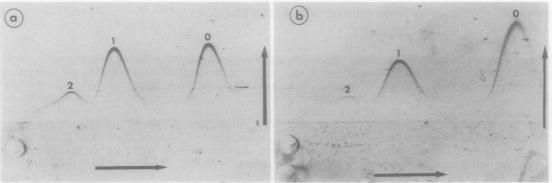
Several investigators have suggested that gastrointestinal inflammation has a role in the pathogenesis of ankylosing spondylitis. To test this hypothesis markers of gastrointestinal immunostimulation, as manifested by serum IgA concentrations, were compared with serum markers of inflammation, as manifested by acute phase proteins. Serum samples from 45 unrelated Caucasian patients with ankylosing spondylitis (AS) were tested for correlation of serum IgA and six acute phase proteins: C reactive protein (CRP), alpha 1-antitrypsin, alpha 1-antichymotrypsin, caeruloplasmin, alpha 1-acid glycoprotein (AGP), and haptoglobin. Serum IgA was shown to be significantly positively correlated with four of these six acute phase proteins: CRP (r = 0.58, p less than 0.001), alpha 1-antitrypsin (r = 0.29, p less than 0.05), AGP (r = 0.61, p less than 0.01), and haptoglobin (r = 0.58, p less than 0.001), suggesting that gastrointestinal immunostimulation does have a role in the pathogenesis of inflammation in AS. In addition, the microheterogeneity of the pattern of glycosylation of AGP, expressed as reactivity coefficients, was examined. The AGP reactivity coefficient has been shown to increase in infection, remain the same in systemic lupus erythematosus, and decrease in rheumatoid arthritis. It was found that the AGP reactivity coefficient was significantly decreased in patients with AS as compared with healthy controls (p less than 0.006). As recent studies have indicated that patterns of glycosylation reflect intrahepatocellular biosynthetic processes induced by cytokines our data suggest that cytokine-hepatocellular mechanisms in AS may be similar to those occurring in rheumatoid arthritis, but different from those in systemic lupus erythematosus or infection.
几位研究者提出,胃肠道炎症在强直性脊柱炎的发病机制中起作用。为了验证这一假设,将血清IgA浓度所体现的胃肠道免疫刺激标志物与急性期蛋白所体现的炎症血清标志物进行了比较。对45名无亲缘关系的白种强直性脊柱炎(AS)患者的血清样本进行检测,以分析血清IgA与六种急性期蛋白之间的相关性,这六种急性期蛋白分别为:C反应蛋白(CRP)、α1-抗胰蛋白酶、α1-抗糜蛋白酶、铜蓝蛋白、α1-酸性糖蛋白(AGP)和触珠蛋白。结果显示,血清IgA与这六种急性期蛋白中的四种显著正相关:CRP(r = 0.58,p < 0.001)、α1-抗胰蛋白酶(r = 0.29,p < 0.05)、AGP(r = 0.61,p < 0.01)和触珠蛋白(r = 0.5),p < 0.001),这表明胃肠道免疫刺激在AS炎症发病机制中确实起作用。此外,还检测了以反应系数表示的AGP糖基化模式的微异质性。AGP反应系数在感染时会升高,在系统性红斑狼疮中保持不变,而在类风湿关节炎中会降低。研究发现,与健康对照组相比,AS患者的AGP反应系数显著降低(p < 0.006)。由于最近的研究表明糖基化模式反映了细胞因子诱导的肝细胞内生物合成过程,我们的数据表明,AS中的细胞因子-肝细胞机制可能与类风湿关节炎中的相似,但与系统性红斑狼疮或感染中的不同。