University of Gastronomic Sciences, Piazza Vittorio Emanuele 9, I-12042 Pollenzo, (Cuneo), Italy.
J Ethnobiol Ethnomed. 2014 Mar 31;10:31. doi: 10.1186/1746-4269-10-31.
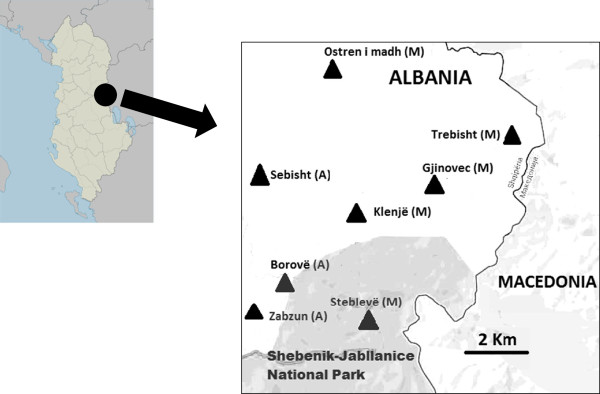
Ethnobotany in South-Eastern Europe is gaining the interest of several scholars and stakeholders, since it is increasingly considered a key point for the re-evaluation of local bio-cultural heritage. The region of Gollobordo, located in Eastern Albania and bordering the Republic of Macedonia, is of particular interest for conducting ethnobiological studies, since it remained relatively isolated for the larger part of the 20th Century and is traditionally inhabited by a majority of ethnic Macedonians and a minority of Albanians (nowadays both sharing the Muslim faith).
An ethnobotanical survey focused on local food, medicinal, and veterinary plant uses was conducted with 58 participants using open and semi-structured interviews and via participant observation.
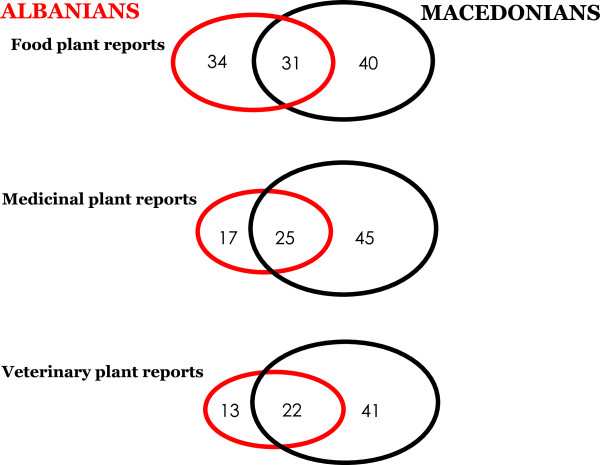
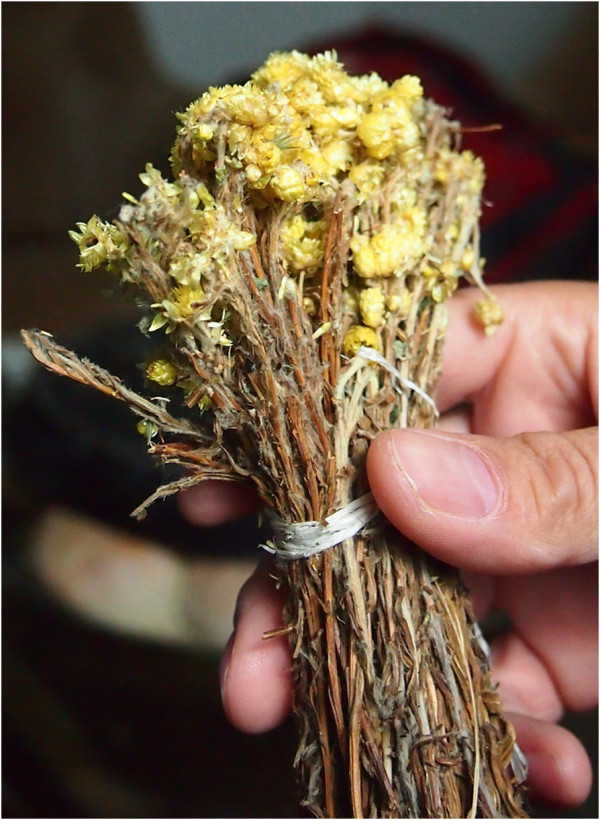
We recorded and identified 115 taxa of vascular plants, which are locally used for food, medicinal, and veterinary purposes (representing 268 total plant reports). The Macedonian Traditional Ecological Knowledge (TEK) was greater than the Albanian TEK, especially in the herbal and ritual domains. This phenomenon may be linked to the long socio-cultural and linguistic isolation of this group during the time when the borders between Albania and the former Yugoslavia were completely closed. Moreover, the unusual current food utilisation of cooked potatoes leaves, still in use nowadays among Macedonians, could represent the side effect of an extreme adaptation that locals underwent over the past century when the introduction of the potato crop made new strategies available for establishing stable settlements around the highest pastures. Additionally, the difference in use of Helichrysum plicatum, which is popular in the local Macedonian folk medicine but absent among Albanians, confirms the particular significance of this taxon as it relates to the yellow colour of its flowers in South Slavic folklore.
Botanical studies with an ethnographic approach are crucial for understanding patterns of use of plants within given cultures. Importantly, such studies can also allow for analysis of the dynamics of change in these TEK patterns over the time. The results of this study may be important as baseline data set to be used in rural development programs in Gollobordo, aimed at fostering community-based strategies of management of natural resources.
东南欧的民族植物学越来越受到许多学者和利益相关者的关注,因为它被认为是重新评估当地生物文化遗产的关键。位于阿尔巴尼亚东部、与马其顿共和国接壤的戈洛博尔多地区是进行民族生物学研究的特别有趣的地方,因为在 20 世纪的大部分时间里,它相对孤立,传统上居住着大多数马其顿人和少数阿尔巴尼亚人(现在他们都信奉伊斯兰教)。
我们采用开放式和半结构式访谈以及参与式观察的方式,对 58 名参与者进行了以当地食物、药用和兽医植物用途为重点的民族植物学调查。
我们记录并鉴定了 115 种维管束植物,这些植物被当地用于食物、药用和兽医用途(代表 268 种植物的总报告)。马其顿传统生态知识(TEK)比阿尔巴尼亚的 TEK 更大,特别是在草药和仪式领域。这种现象可能与该群体在阿尔巴尼亚和前南斯拉夫之间的边界完全关闭期间长期的社会文化和语言隔离有关。此外,在马其顿人中仍在使用的煮土豆叶的不寻常的当前食物利用方式,可能代表当地人在上个世纪经历的极端适应的副作用,当时土豆作物的引入为在最高牧场周围建立稳定的定居点提供了新的策略。此外,Helichrysum plicatum 的使用差异在当地马其顿民间医学中很受欢迎,但在阿尔巴尼亚人中却没有,这证实了该分类群的特殊意义,因为它与南斯拉夫民间传说中其花朵的黄色有关。
采用民族志方法的植物学研究对于理解特定文化中植物的使用模式至关重要。重要的是,这些研究还可以分析这些 TEK 模式随时间变化的动态。本研究的结果可能是戈洛博尔多农村发展计划中使用的基线数据集的重要组成部分,旨在促进以社区为基础的自然资源管理策略。