Chen-Hussey Vanessa, Behrens Ron, Logan James G
Department of Disease Control, Faculty of Infectious and Tropical Diseases, London School of Hygiene & Tropical Medicine, Keppel Street, London WC1E 7HT, UK.
Parasit Vectors. 2014 Jun 3;7:173. doi: 10.1186/1756-3305-7-173.
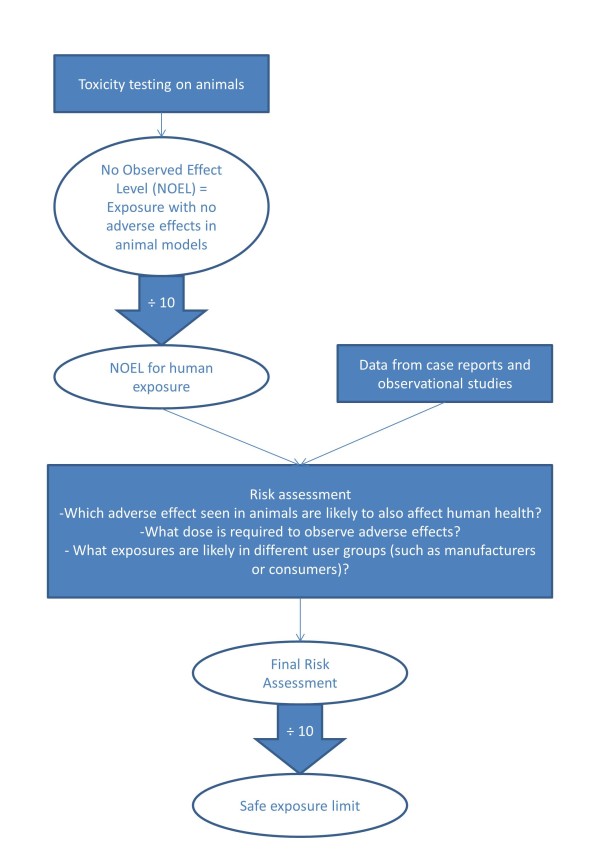
N,N-diethyl-m-toluamide (DEET) has been registered for commercial use as an insect repellent for over five decades, and is used widely across the world. Concerns over the safety of DEET first emerged during the 1980s after reports of encephalopathy following DEET exposure, particularly in children. However, the role of DEET in either the illness or deaths was and remains purely speculative. In response to these cases a number of reviews and investigations of DEET safety were carried out. Here we examine the methods used and information available to determine the safety of DEET in humans. Animal testing, observational studies and intervention trials have found no evidence of severe adverse events associated with recommended DEET use. Minor adverse effects noted in animal trials were associated with very large doses and were not replicated between different test species. The safety surveillance from extensive humans use reveals no association with severe adverse events. This review compares the toxicity assessment using three different models to define the risk assessment and safety threshold for DEET use in humans and discusses the clinical consequences of the thresholds derived from the models.The theoretical risks associated with wearing an insect repellent should be weighed against the reduction or prevention of the risk of fatal or debilitating diseases including malaria, dengue, yellow fever and filariasis. With over 48 million European residents travelling to regions where vector borne diseases are a threat in 2009, restricting the concentration of DEET containing repellents to 15% or less, as modelled in the 2010 EU directive, is likely to result in extensive sub-therapeutic activity where repellents are infrequently applied. Future European travellers, as a consequence of inadequate personal protection, could potentially be at increased risk of vector borne diseases. Risk assessments of repellents should take these factors into account when setting safe limits.
N,N - 二乙基 - 间甲苯酰胺(避蚊胺,DEET)作为一种驱虫剂已注册用于商业用途超过五十年,并且在全球广泛使用。对避蚊胺安全性的担忧最早出现在20世纪80年代,当时有报道称接触避蚊胺后出现脑病,尤其是在儿童中。然而,避蚊胺在这些疾病或死亡事件中的作用过去是、现在仍然完全是推测性的。针对这些病例,开展了多项关于避蚊胺安全性的综述和调查。在此,我们研究用于确定避蚊胺对人类安全性的方法和现有信息。动物试验、观察性研究和干预试验均未发现与推荐使用避蚊胺相关的严重不良事件的证据。动物试验中 noted 的轻微不良影响与非常大的剂量有关,并且在不同测试物种之间未得到重复。广泛人群使用的安全监测未发现与严重不良事件有关联。本综述比较了使用三种不同模型进行的毒性评估,以确定避蚊胺在人类使用中的风险评估和安全阈值,并讨论了从这些模型得出的阈值的临床后果。与使用驱虫剂相关的理论风险应与降低或预防包括疟疾、登革热、黄热病和丝虫病在内的致命或使人衰弱疾病的风险相权衡。2009年有超过4800万欧洲居民前往媒介传播疾病构成威胁的地区,按照2010年欧盟指令的模式,将含避蚊胺驱虫剂的浓度限制在15%或更低,可能会导致在驱虫剂使用不频繁的情况下广泛出现治疗不足的情况。因此,未来的欧洲旅行者由于个人防护不足,可能面临媒介传播疾病的风险增加。在设定安全限值时,驱虫剂的风险评估应考虑这些因素。