Zhong Xiufeng, Gutierrez Christian, Xue Tian, Hampton Christopher, Vergara M Natalia, Cao Li-Hui, Peters Ann, Park Tea Soon, Zambidis Elias T, Meyer Jason S, Gamm David M, Yau King-Wai, Canto-Soler M Valeria
Wilmer Eye Institute, Johns Hopkins University School of Medicine, Baltimore, Maryland 21287, USA.
1] School of Life Sciences and Hefei National Laboratory for Physical Sciences at Microscale, University of Science and Technology of China, Hefei 230026, China [2] Solomon H. Snyder Department of Neuroscience, Johns Hopkins University School of Medicine, Baltimore, Maryland 21205, USA.
Nat Commun. 2014 Jun 10;5:4047. doi: 10.1038/ncomms5047.
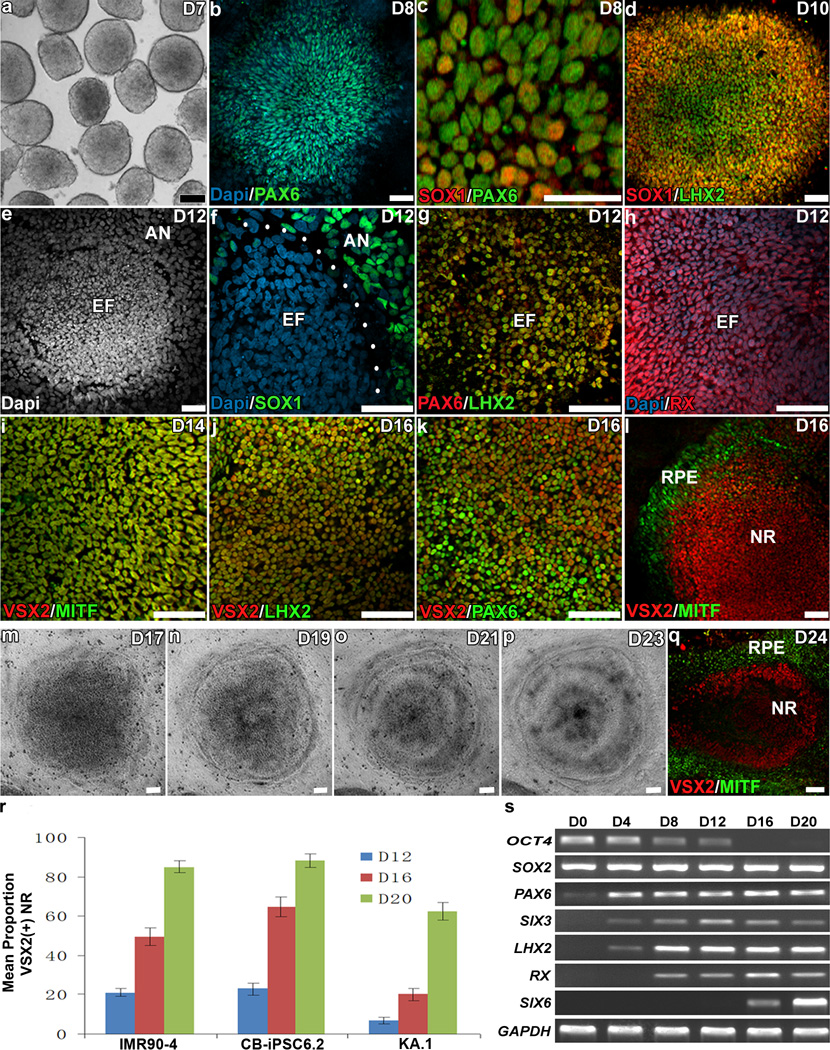
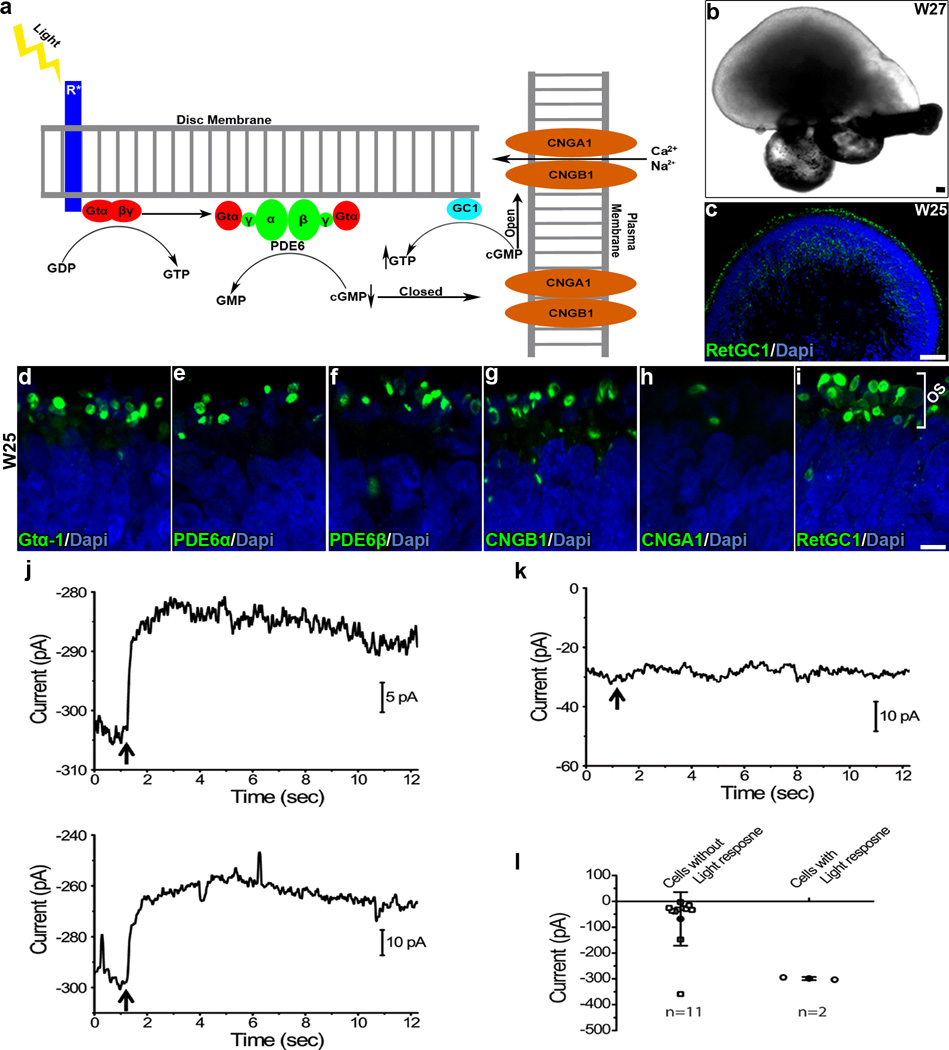
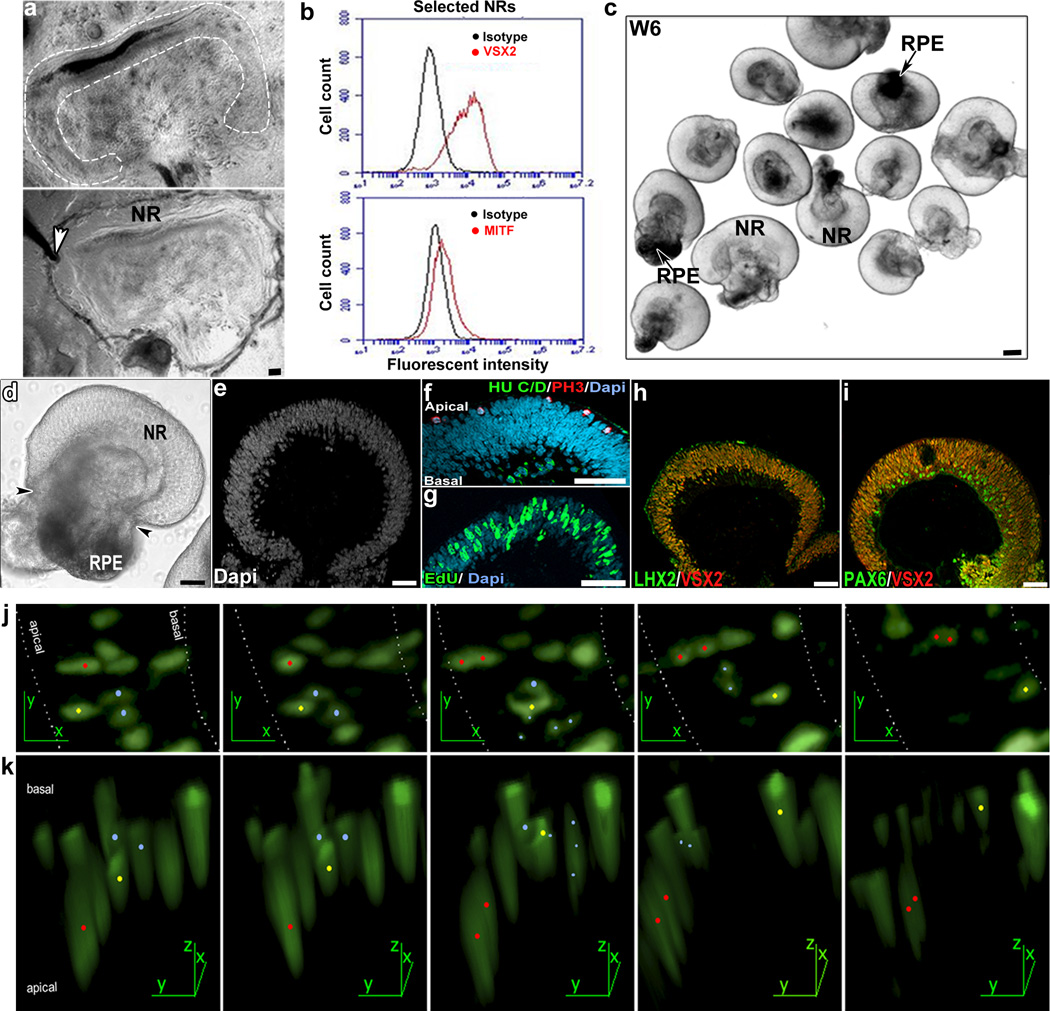
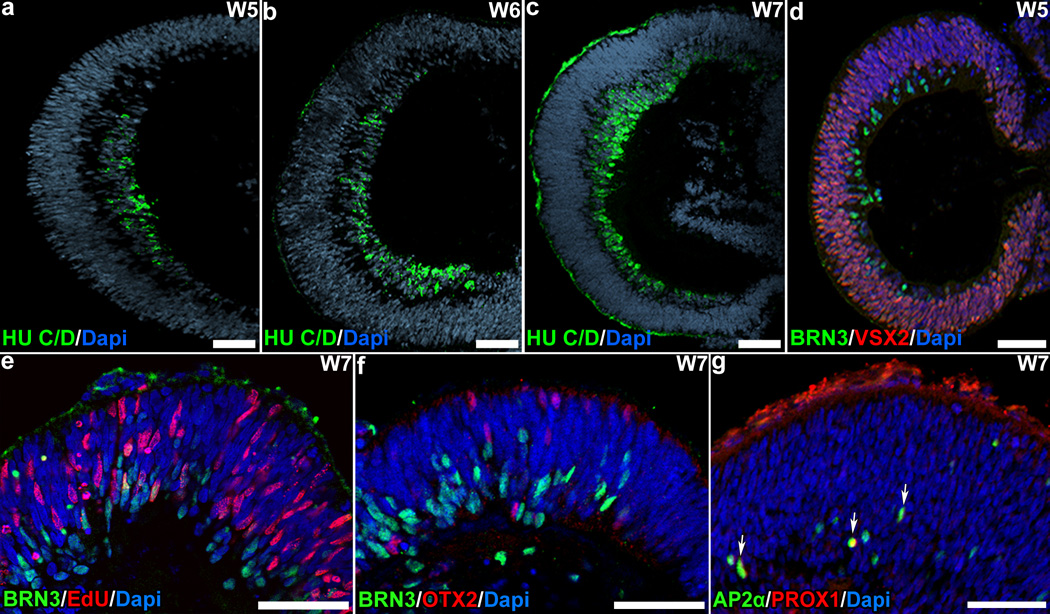
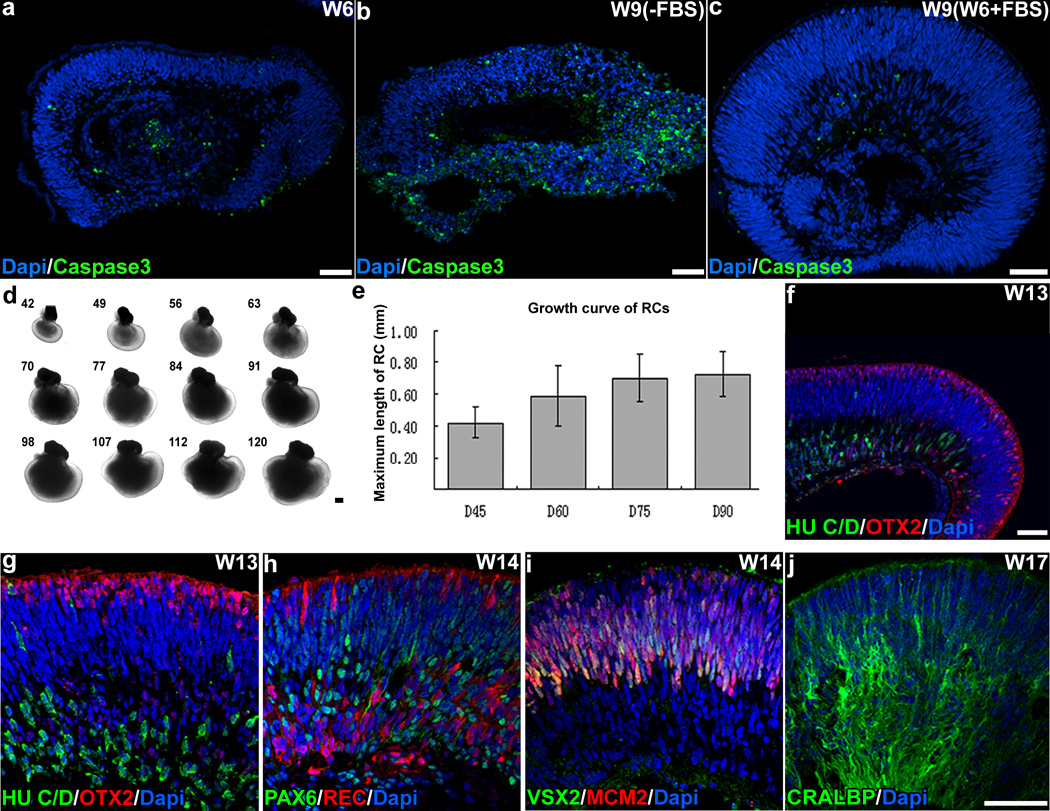
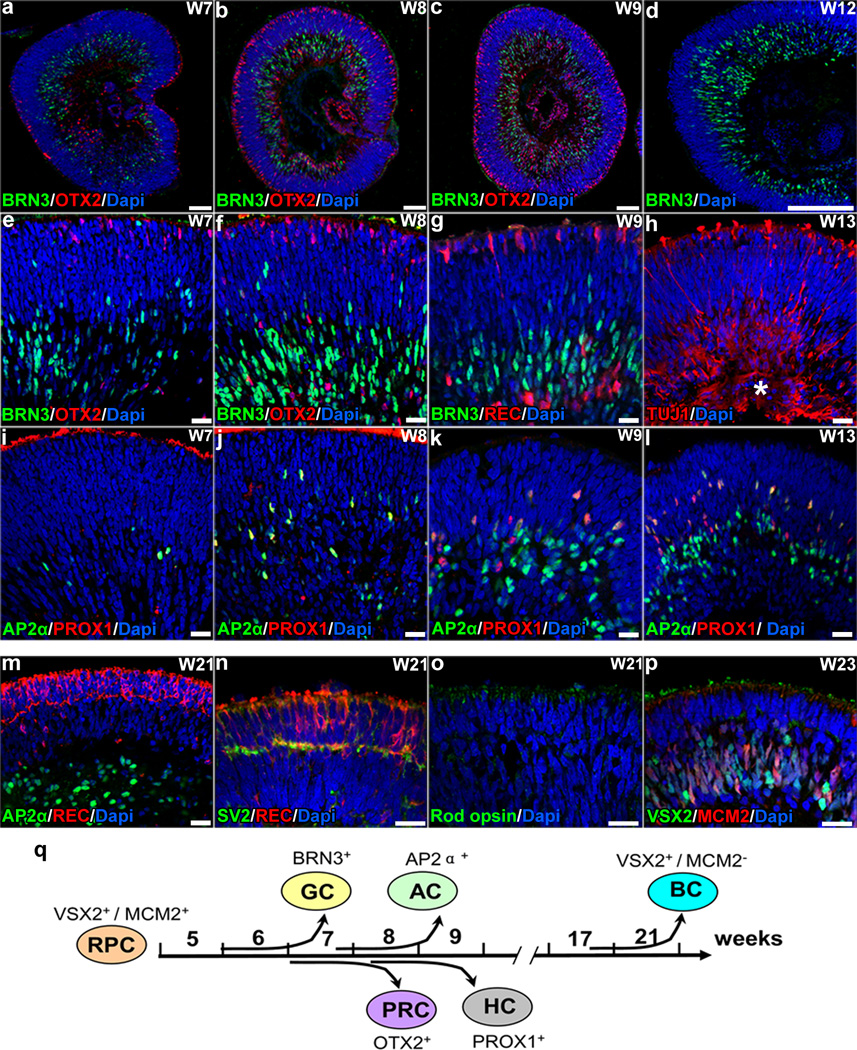
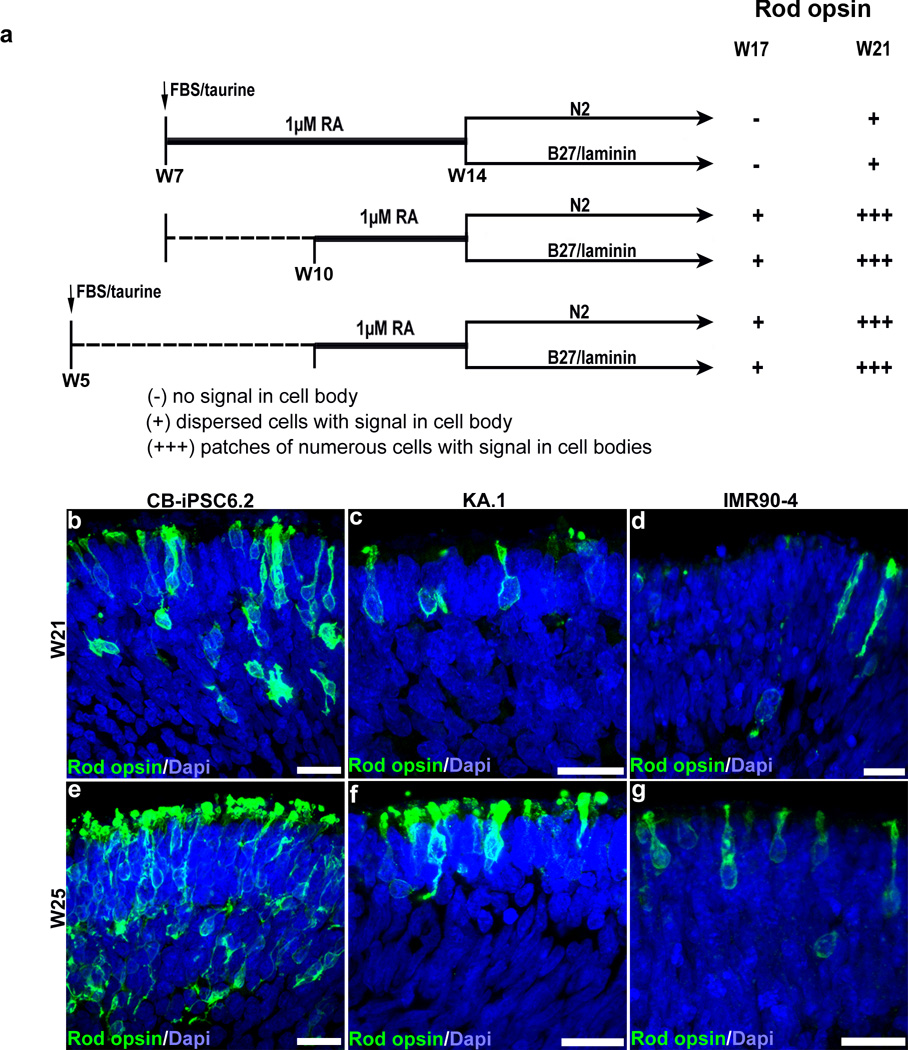
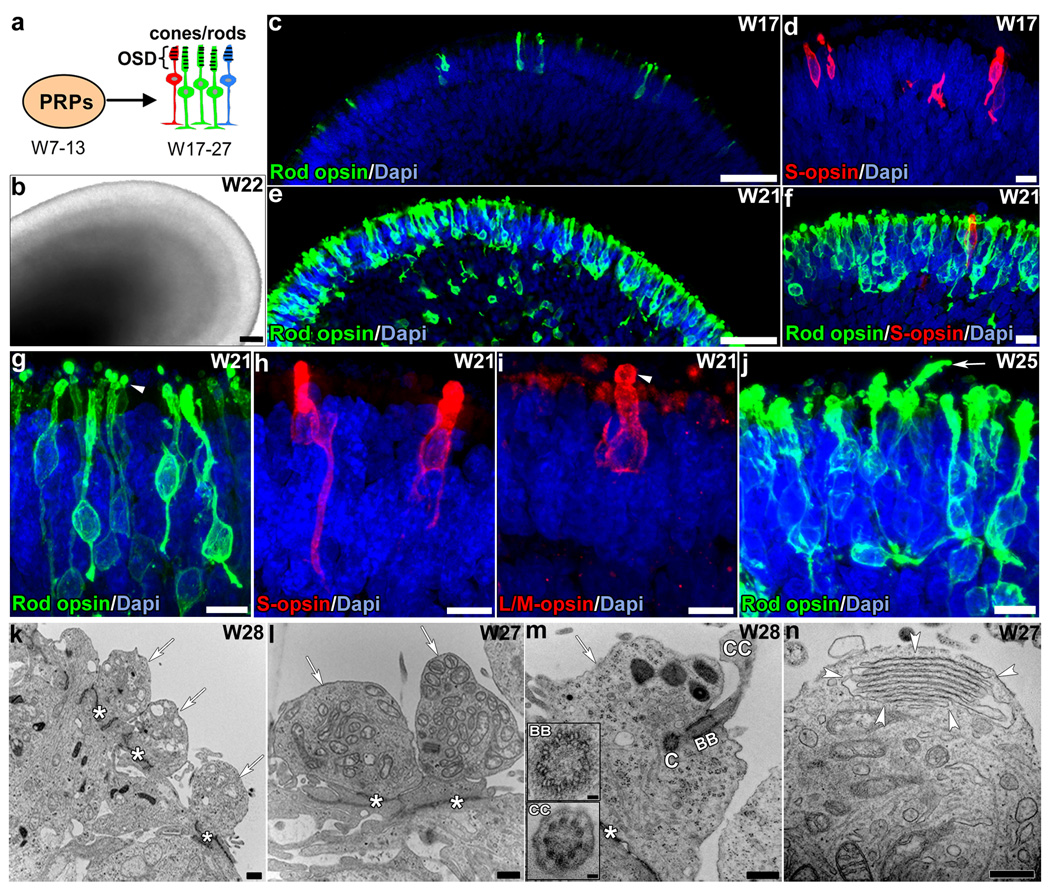
Many forms of blindness result from the dysfunction or loss of retinal photoreceptors. Induced pluripotent stem cells (iPSCs) hold great potential for the modelling of these diseases or as potential therapeutic agents. However, to fulfill this promise, a remaining challenge is to induce human iPSC to recreate in vitro key structural and functional features of the native retina, in particular the presence of photoreceptors with outer-segment discs and light sensitivity. Here we report that hiPSC can, in a highly autonomous manner, recapitulate spatiotemporally each of the main steps of retinal development observed in vivo and form three-dimensional retinal cups that contain all major retinal cell types arranged in their proper layers. Moreover, the photoreceptors in our hiPSC-derived retinal tissue achieve advanced maturation, showing the beginning of outer-segment disc formation and photosensitivity. This success brings us one step closer to the anticipated use of hiPSC for disease modelling and open possibilities for future therapies.
许多形式的失明是由视网膜光感受器功能障碍或丧失所致。诱导多能干细胞(iPSC)在这些疾病的建模或作为潜在治疗剂方面具有巨大潜力。然而,要实现这一前景,一个尚存的挑战是诱导人iPSC在体外重现天然视网膜的关键结构和功能特征,特别是具有外节盘和光敏感性的光感受器的存在。在此,我们报告人iPSC能够以高度自主的方式,在时空上重现体内观察到的视网膜发育的每个主要步骤,并形成包含所有主要视网膜细胞类型且按其适当层次排列的三维视网膜杯。此外,我们的人iPSC来源的视网膜组织中的光感受器实现了高级成熟,显示出外节盘形成和光敏感性的开端。这一成功使我们距离将人iPSC用于疾病建模的预期用途又近了一步,并为未来的治疗开辟了可能性。