Wurtele Eve Syrkin, Chappell Joe, Jones A Daniel, Celiz Mary Dawn, Ransom Nick, Hur Manhoi, Rizshsky Ludmila, Crispin Matthew, Dixon Philip, Liu Jia, P Widrlechner Mark, Nikolau Basil J
Department of Genetics, Cell and Developmental Biology, Iowa State University, Ames, IA 50011, USA.
Department of Cellular and Molecular Biochemistry, University of Kentucky, Lexington, KY, 40536, USA.
Metabolites. 2012 Nov 21;2(4):1031-59. doi: 10.3390/metabo2041031.
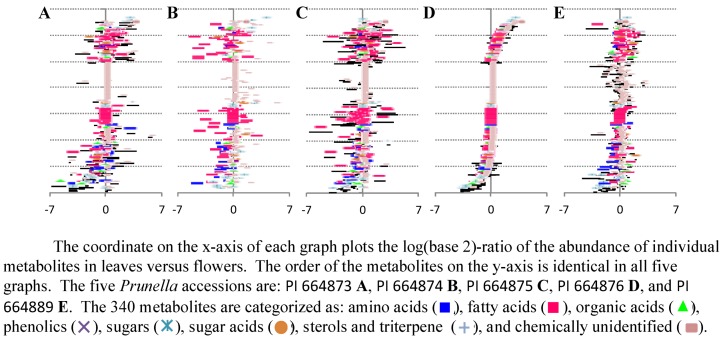
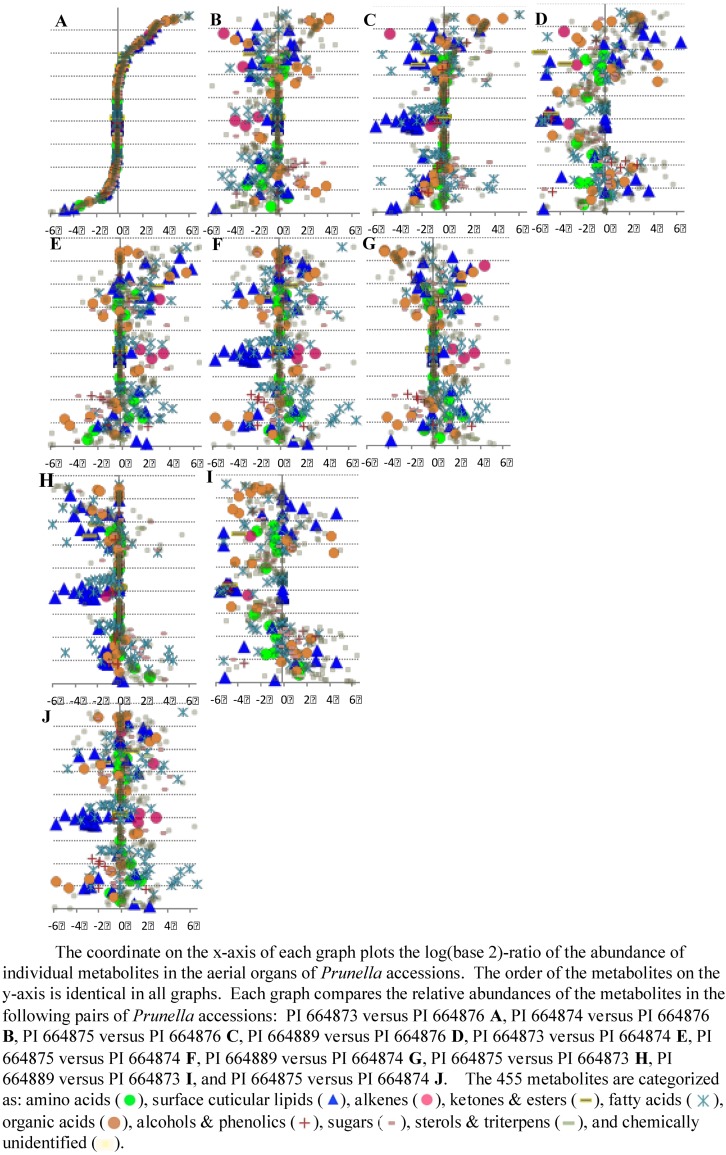
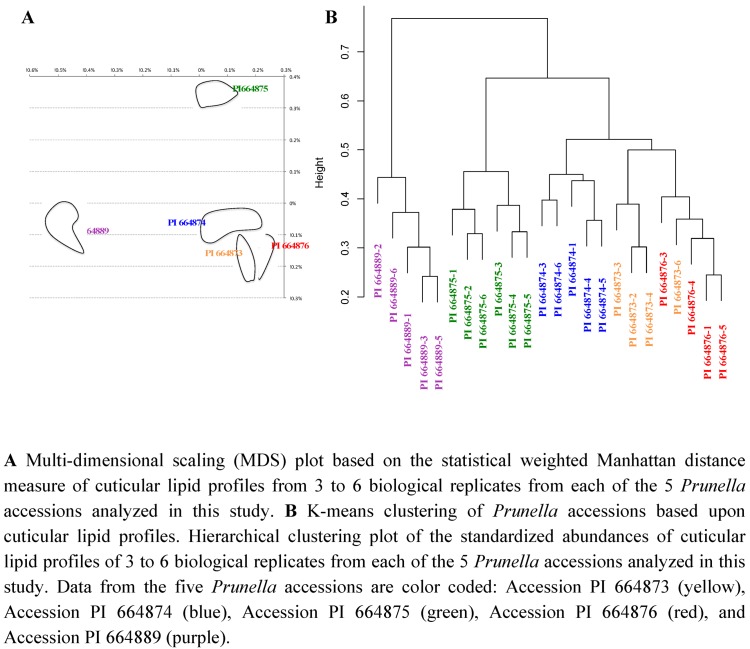
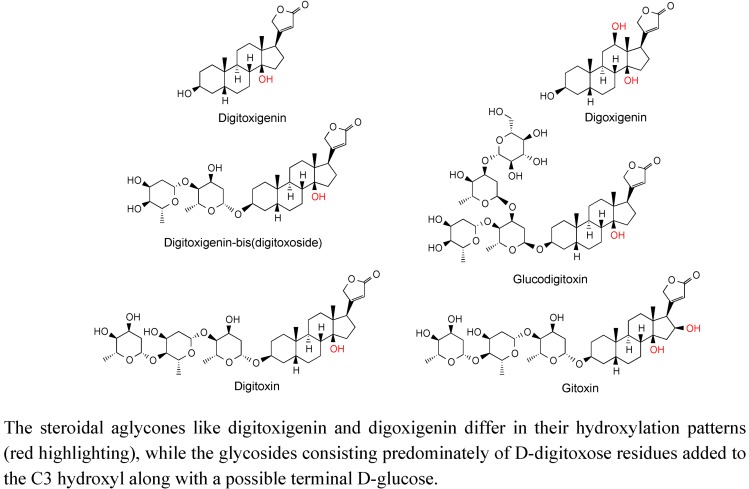
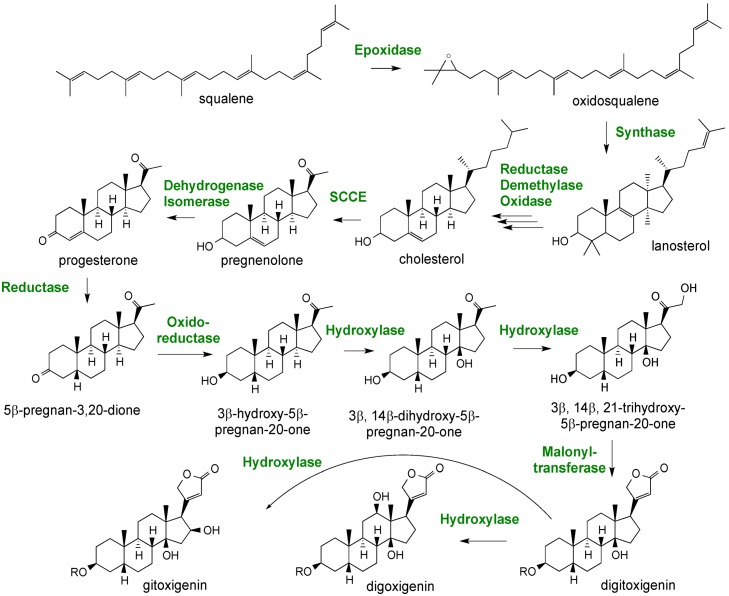
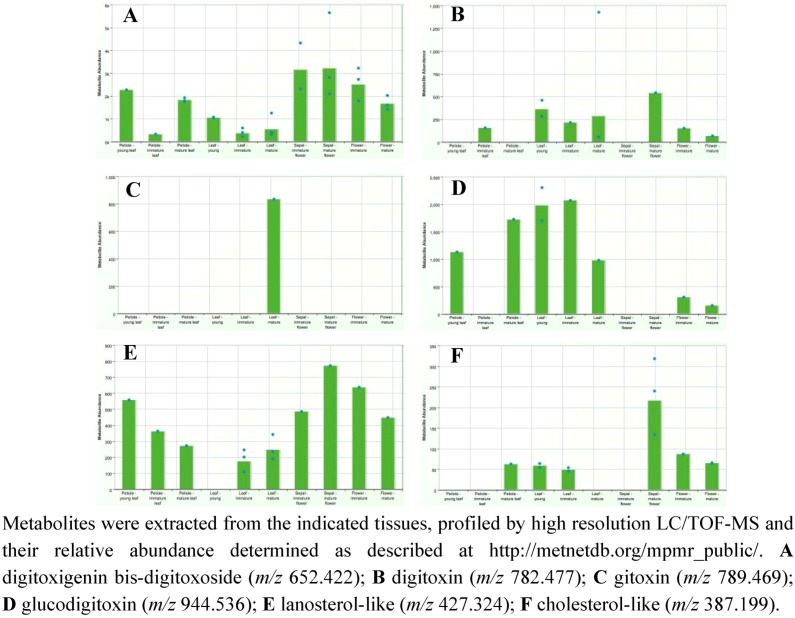
Specialized compounds from photosynthetic organisms serve as rich resources for drug development. From aspirin to atropine, plant-derived natural products have had a profound impact on human health. Technological advances provide new opportunities to access these natural products in a metabolic context. Here, we describe a database and platform for storing, visualizing and statistically analyzing metabolomics data from fourteen medicinal plant species. The metabolomes and associated transcriptomes (RNAseq) for each plant species, gathered from up to twenty tissue/organ samples that have experienced varied growth conditions and developmental histories, were analyzed in parallel. Three case studies illustrate different ways that the data can be integrally used to generate testable hypotheses concerning the biochemistry, phylogeny and natural product diversity of medicinal plants. Deep metabolomics analysis of Camptotheca acuminata exemplifies how such data can be used to inform metabolic understanding of natural product chemical diversity and begin to formulate hypotheses about their biogenesis. Metabolomics data from Prunella vulgaris, a species that contains a wide range of antioxidant, antiviral, tumoricidal and anti-inflammatory constituents, provide a case study of obtaining biosystematic and developmental fingerprint information from metabolite accumulation data in a little studied species. Digitalis purpurea, well known as a source of cardiac glycosides, is used to illustrate how integrating metabolomics and transcriptomics data can lead to identification of candidate genes encoding biosynthetic enzymes in the cardiac glycoside pathway. Medicinal Plant Metabolomics Resource (MPM) [1] provides a framework for generating experimentally testable hypotheses about the metabolic networks that lead to the generation of specialized compounds, identifying genes that control their biosynthesis and establishing a basis for modeling metabolism in less studied species. The database is publicly available and can be used by researchers in medicine and plant biology.
光合生物产生的特殊化合物是药物开发的丰富资源。从阿司匹林到阿托品,植物源天然产物对人类健康产生了深远影响。技术进步为在代谢背景下获取这些天然产物提供了新机会。在此,我们描述了一个用于存储、可视化和统计分析来自14种药用植物物种代谢组学数据的数据库和平台。对每个植物物种的代谢组和相关转录组(RNA测序)进行了并行分析,这些数据来自多达20个经历了不同生长条件和发育历程的组织/器官样本。三个案例研究展示了如何综合利用这些数据来生成关于药用植物生物化学、系统发育和天然产物多样性的可测试假设。对喜树的深度代谢组学分析例证了如何利用此类数据增进对天然产物化学多样性的代谢理解,并开始形成关于其生物合成的假设。夏枯草含有多种抗氧化、抗病毒、抗肿瘤和抗炎成分,其代谢组学数据提供了一个案例研究,即如何从一个研究较少的物种的代谢物积累数据中获取生物系统发育和发育指纹信息。紫花毛地黄作为强心苷的著名来源,用于说明整合代谢组学和转录组学数据如何能够鉴定强心苷途径中编码生物合成酶的候选基因。药用植物代谢组学资源(MPM)[1]提供了一个框架,用于生成关于导致特殊化合物生成的代谢网络的可实验测试假设,识别控制其生物合成的基因,并为在研究较少的物种中进行代谢建模奠定基础。该数据库可公开获取,供医学和植物生物学领域的研究人员使用。