Shapiro Heather M, Tassone Flora, Choudhary Nimrah S, Simon Tony J
Department of Psychiatry and Behavioral Sciences, MIND Institute, University of California at Davis Sacramento, CA, USA.
Department of Psychiatry and Behavioral Sciences, MIND Institute, University of California at Davis Sacramento, CA, USA ; Department of Biochemistry and Molecular Medicine, University of California at Davis Sacramento, CA, USA.
Front Psychol. 2014 Jun 10;5:566. doi: 10.3389/fpsyg.2014.00566. eCollection 2014.
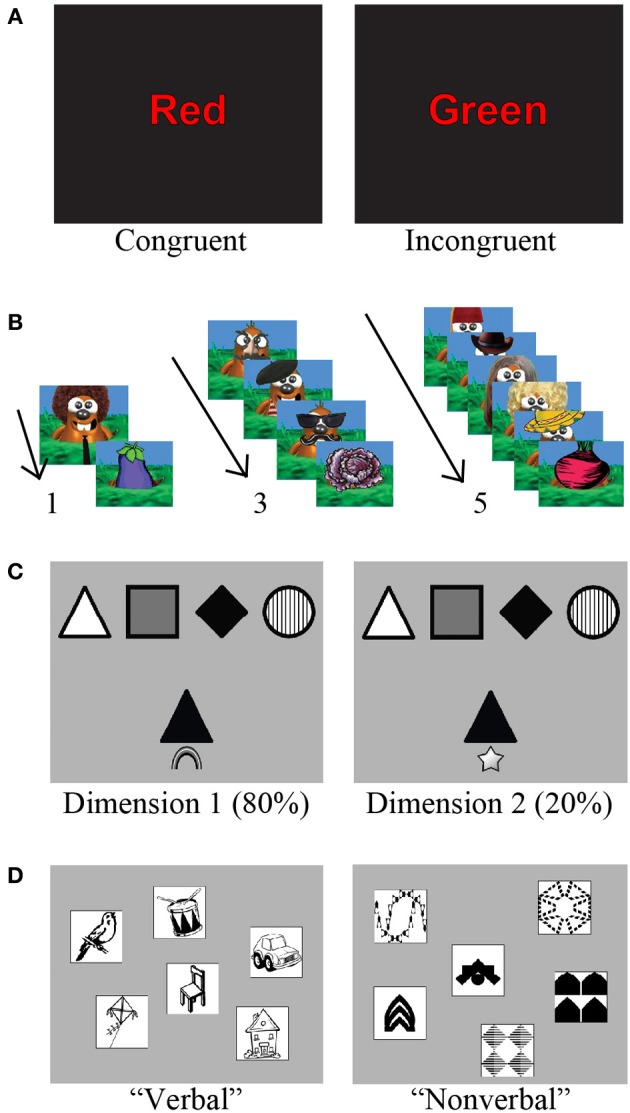
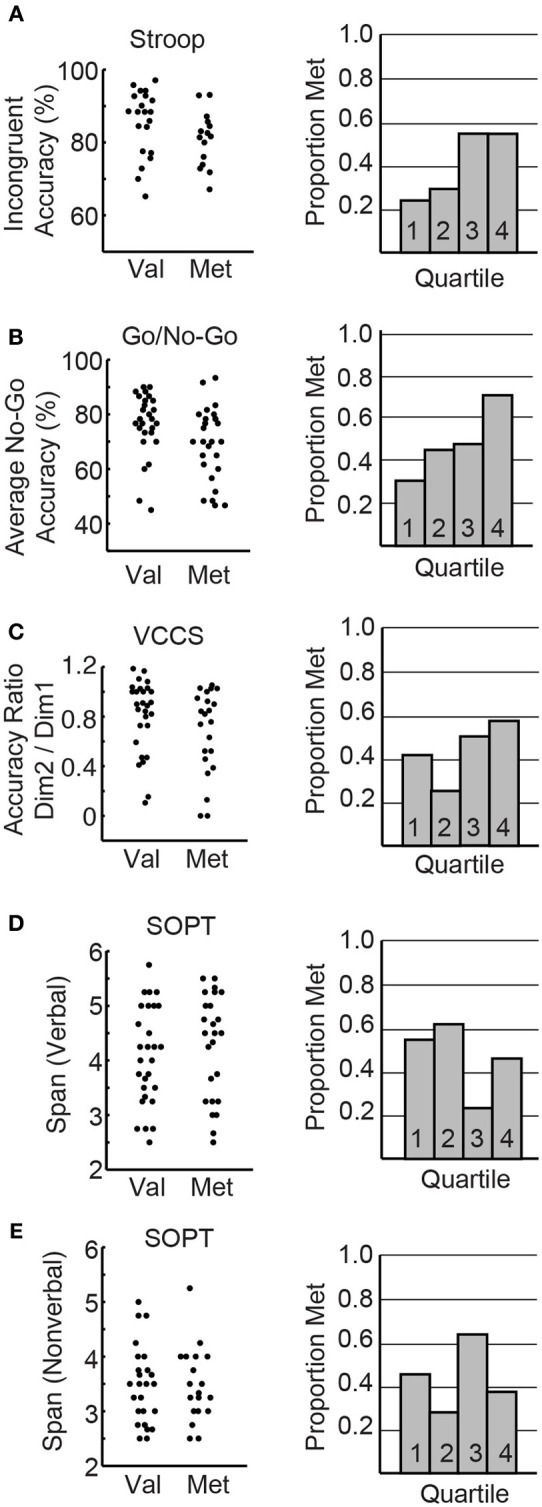
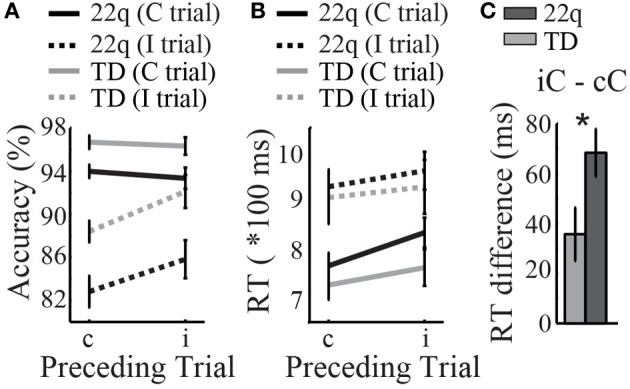
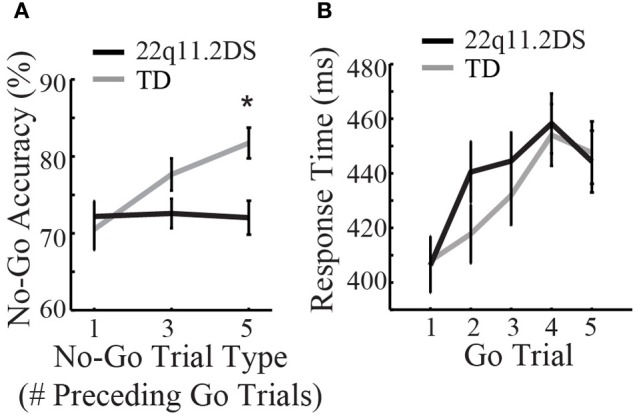
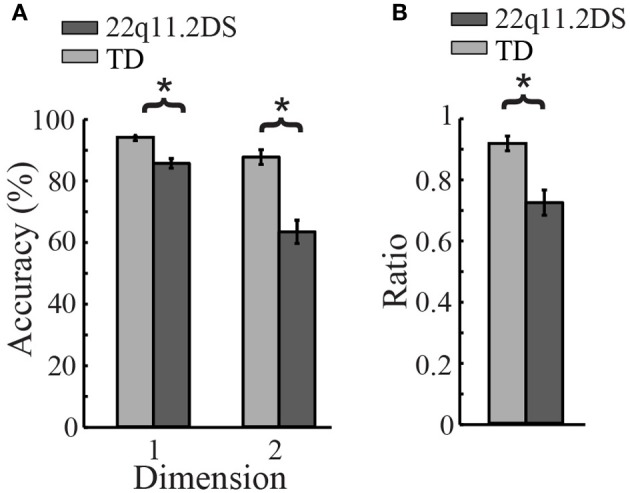
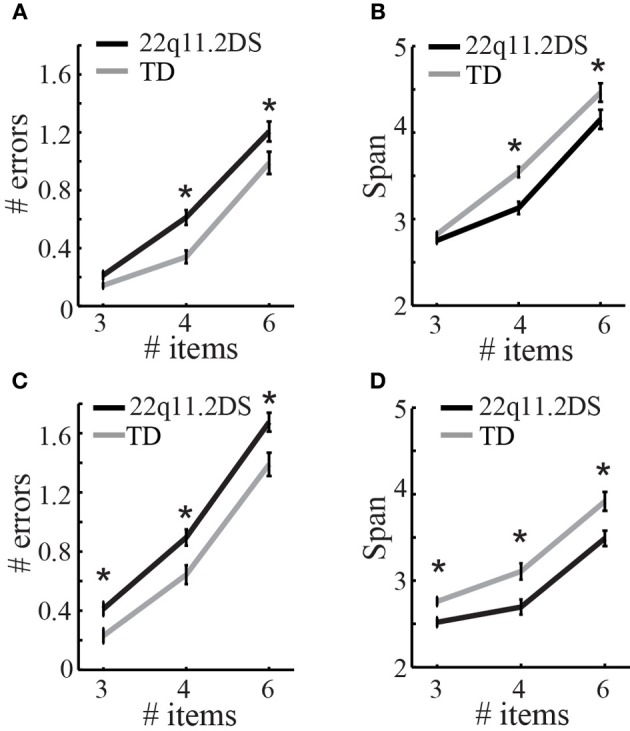
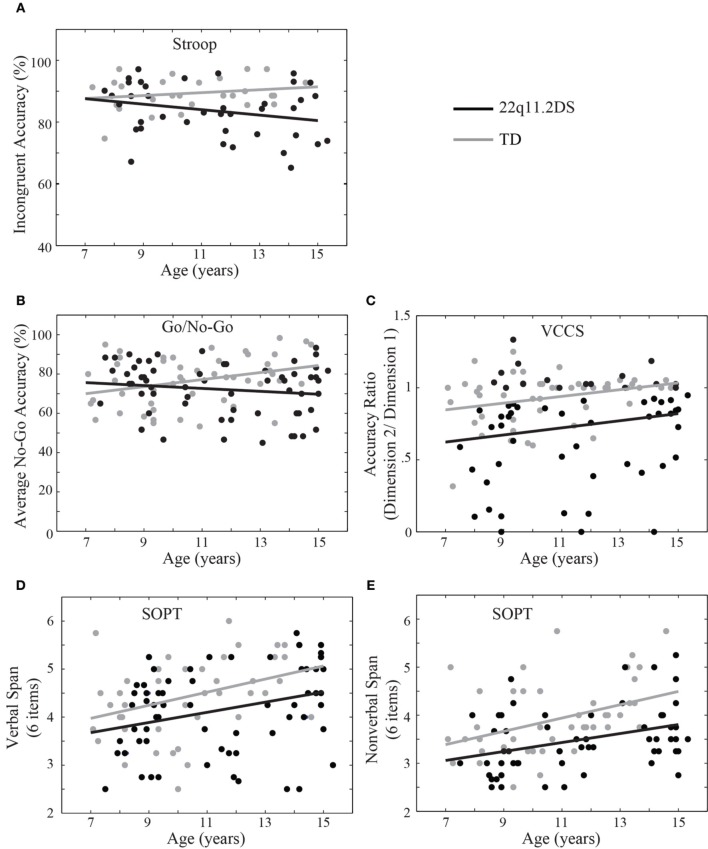
Chromosome 22q11.2 Deletion Syndrome (22q11.2DS) is caused by the most common human microdeletion, and it is associated with cognitive impairments across many domains. While impairments in cognitive control have been described in children with 22q11.2DS, the nature and development of these impairments are not clear. Children with 22q11.2DS and typically developing children (TD) were tested on four well-validated tasks aimed at measuring specific foundational components of cognitive control: response inhibition, cognitive flexibility, and working memory. Molecular assays were also conducted in order to examine genotype of catechol-O-methyltransferase (COMT), a gene located within the deleted region in 22q11.2DS and hypothesized to play a role in cognitive control. Mixed model regression analyses were used to examine group differences, as well as age-related effects on cognitive control component processes in a cross-sectional analysis. Regression models with COMT genotype were also conducted in order to examine potential effects of the different variants of the gene. Response inhibition, cognitive flexibility, and working memory were impaired in children with 22q11.2DS relative to TD children, even after accounting for global intellectual functioning (as measured by full-scale IQ). When compared with TD individuals, children with 22q11.2DS demonstrated atypical age-related patterns of response inhibition and cognitive flexibility. Both groups demonstrated typical age-related associations with working memory. The results of this cross-sectional analysis suggest a specific aberration in the development of systems mediating response inhibition in a sub-set of children with 22q11.2DS. It will be important to follow up with longitudinal analyses to directly examine these developmental trajectories, and correlate neurocognitive variables with clinical and adaptive outcome measures.
22号染色体q11.2缺失综合征(22q11.2DS)由人类最常见的微缺失引起,与多个领域的认知障碍相关。虽然已有研究描述了22q11.2DS患儿的认知控制障碍,但这些障碍的性质和发展尚不清楚。本研究对22q11.2DS患儿和正常发育儿童(TD)进行了四项经过充分验证的任务测试,旨在测量认知控制的特定基础成分:反应抑制、认知灵活性和工作记忆。同时进行了分子检测,以检查儿茶酚-O-甲基转移酶(COMT)的基因型,该基因位于22q11.2DS的缺失区域内,被认为在认知控制中发挥作用。在横断面分析中,采用混合模型回归分析来检验组间差异以及年龄对认知控制成分过程的影响。还构建了包含COMT基因型的回归模型,以检验该基因不同变体的潜在影响。相对于TD儿童,22q11.2DS患儿在反应抑制、认知灵活性和工作记忆方面存在受损,即使在考虑了整体智力功能(以全量表智商衡量)之后。与TD个体相比,22q11.2DS患儿在反应抑制和认知灵活性方面表现出非典型的年龄相关模式。两组在工作记忆方面均表现出典型的年龄相关关联。横断面分析结果表明,在一部分22q11.2DS患儿中,介导反应抑制的系统发育存在特定异常。进行纵向分析以直接检查这些发育轨迹,并将神经认知变量与临床和适应性结果指标相关联,这将非常重要。