Arakha Manoranjan, Saleem Mohammed, Mallick Bairagi C, Jha Suman
Department of Life Science, National Institute of Technology Rourkela, Odisha 769008, India.
Department of Chemistry, Ravenshaw University, Odisha 753003, India.
Sci Rep. 2015 Apr 15;5:9578. doi: 10.1038/srep09578.
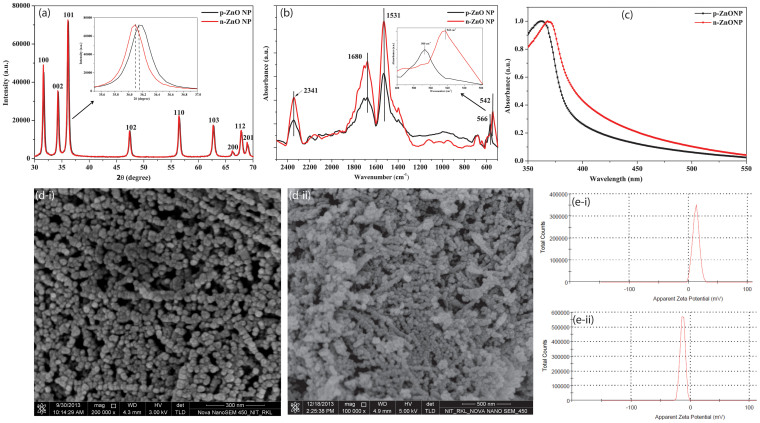
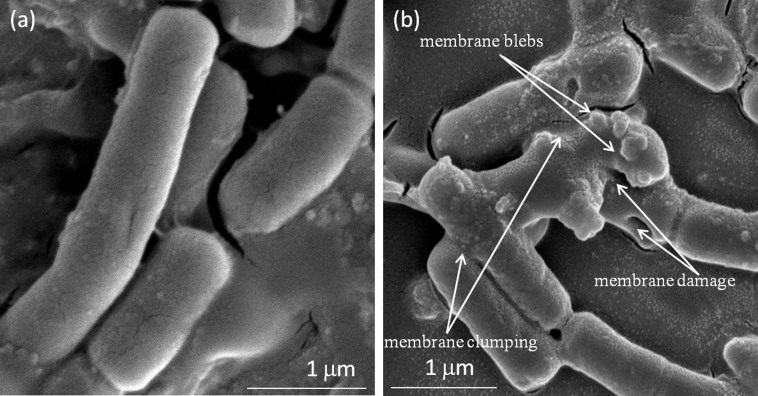
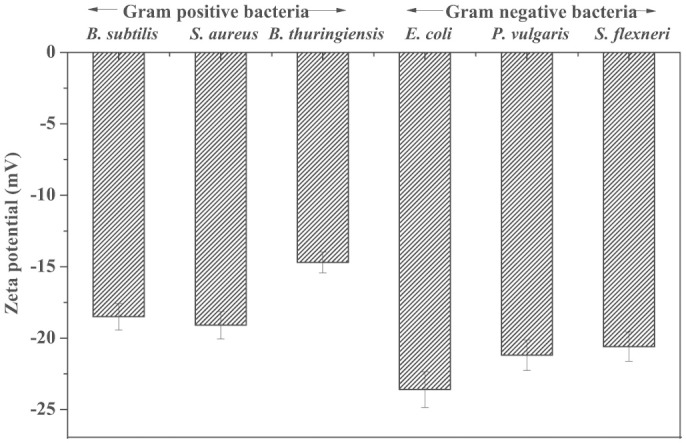
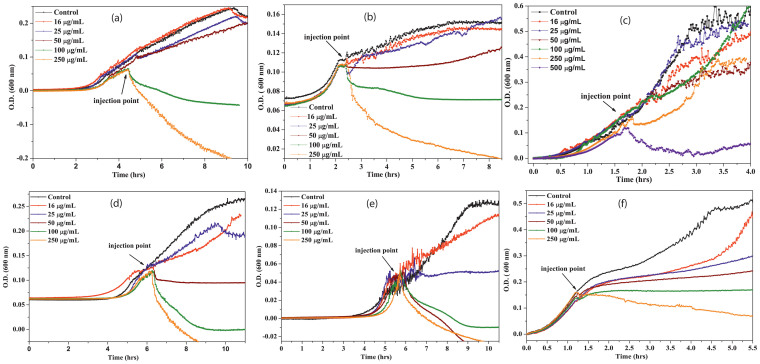
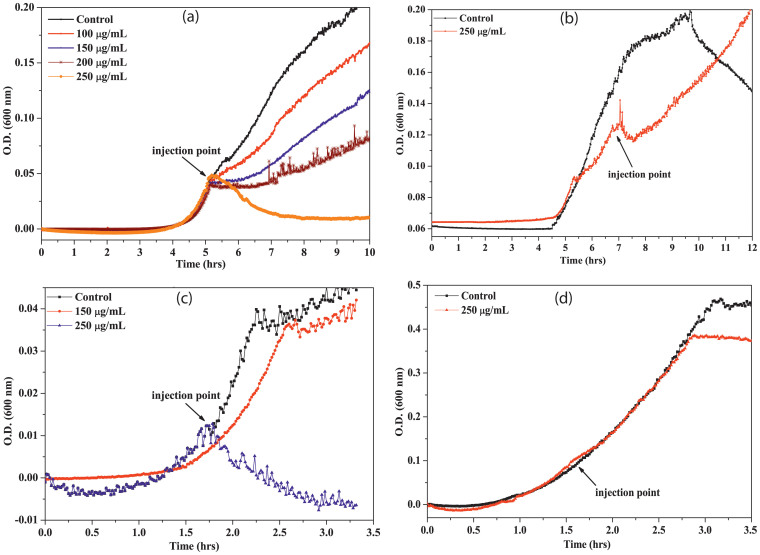
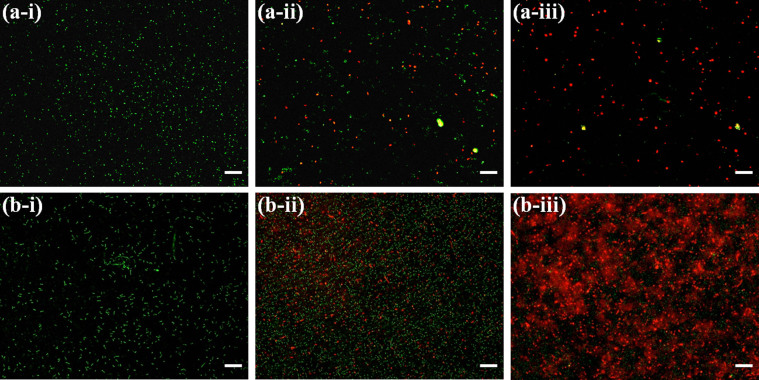
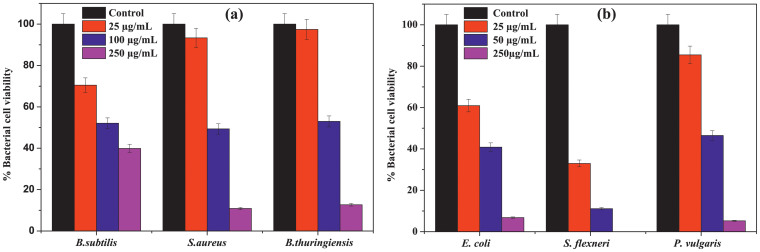
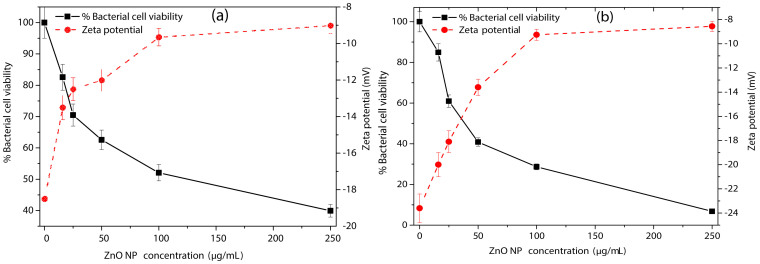
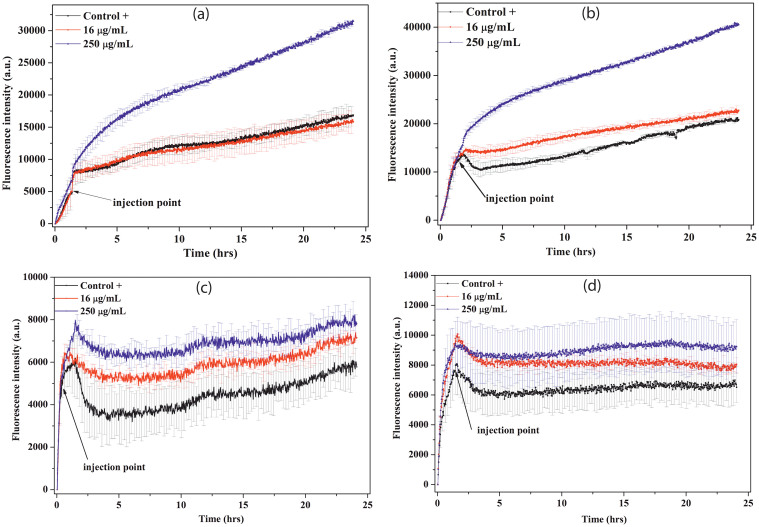
The work investigates the role of interfacial potential in defining antimicrobial propensity of ZnO nanoparticle (ZnONP) against different Gram positive and Gram negative bacteria. ZnONPs with positive and negative surface potential are tested against different bacteria with varying surface potentials, ranging -14.7 to -23.6 mV. Chemically synthesized ZnONPs with positive surface potential show very high antimicrobial propensity with minimum inhibitory concentration of 50 and 100 μg/mL for Gram negative and positive bacterium, respectively. On other hand, ZnONPs of the same size but with negative surface potential show insignificant antimicrobial propensity against the studied bacteria. Unlike the positively charged nanoparticles, neither Zn(2+) ion nor negatively charged ZnONP shows any significant inhibition in growth or morphology of the bacterium. Potential neutralization and colony forming unit studies together proved adverse effect of the resultant nano-bacterial interfacial potential on bacterial viability. Thus, ZnONP with positive surface potential upon interaction with negative surface potential of bacterial membrane enhances production of the reactive oxygen species and exerts mechanical stress on the membrane, resulting in the membrane depolarization. Our results show that the antimicrobial propensity of metal oxide nanoparticle mainly depends upon the interfacial potential, the potential resulting upon interaction of nanoparticle surface with bacterial membrane.
该研究探讨了界面电位在定义氧化锌纳米颗粒(ZnONP)对不同革兰氏阳性和革兰氏阴性细菌的抗菌倾向中的作用。对具有正表面电位和负表面电位的ZnONP针对表面电位在-14.7至-23.6 mV范围内变化的不同细菌进行了测试。具有正表面电位的化学合成ZnONP显示出非常高的抗菌倾向,对革兰氏阴性菌和阳性菌的最低抑菌浓度分别为50和100μg/mL。另一方面,相同尺寸但具有负表面电位的ZnONP对所研究的细菌显示出微不足道的抗菌倾向。与带正电荷的纳米颗粒不同,Zn(2+)离子和带负电荷的ZnONP均未对细菌的生长或形态表现出任何显著抑制作用。电位中和及菌落形成单位研究共同证明了所得纳米-细菌界面电位对细菌活力的不利影响。因此,具有正表面电位的ZnONP与细菌膜的负表面电位相互作用时,会增强活性氧的产生并对膜施加机械应力,导致膜去极化。我们的结果表明,金属氧化物纳米颗粒的抗菌倾向主要取决于界面电位,即纳米颗粒表面与细菌膜相互作用产生的电位。