Goltry Sara, Hallstrom Natalya, Clark Tyler, Kuang Wan, Lee Jeunghoon, Jorcyk Cheryl, Knowlton William B, Yurke Bernard, Hughes William L, Graugnard Elton
Department of Materials Science & Engineering, Boise State University, Boise, Idaho 83725, USA.
Nanoscale. 2015 Jun 21;7(23):10382-90. doi: 10.1039/c5nr02283e.
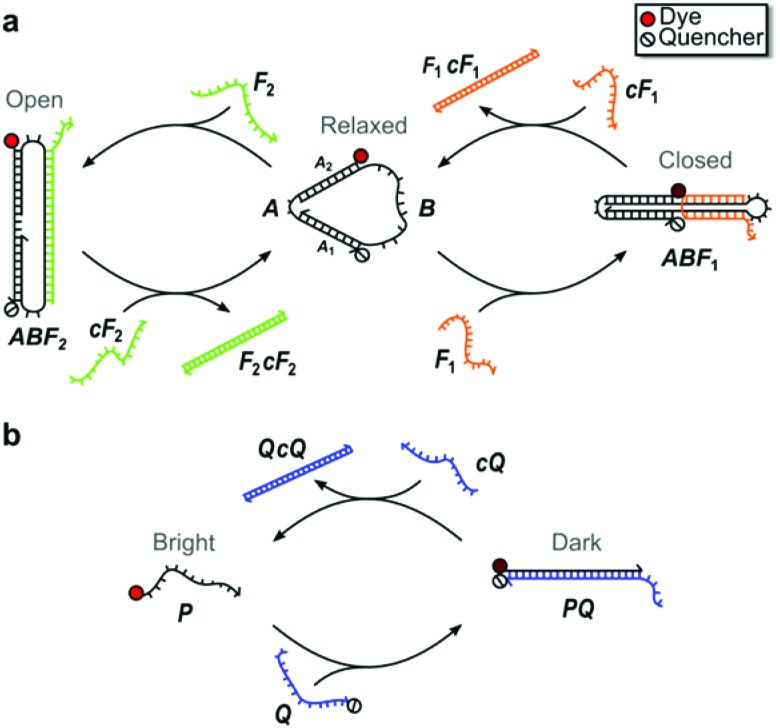
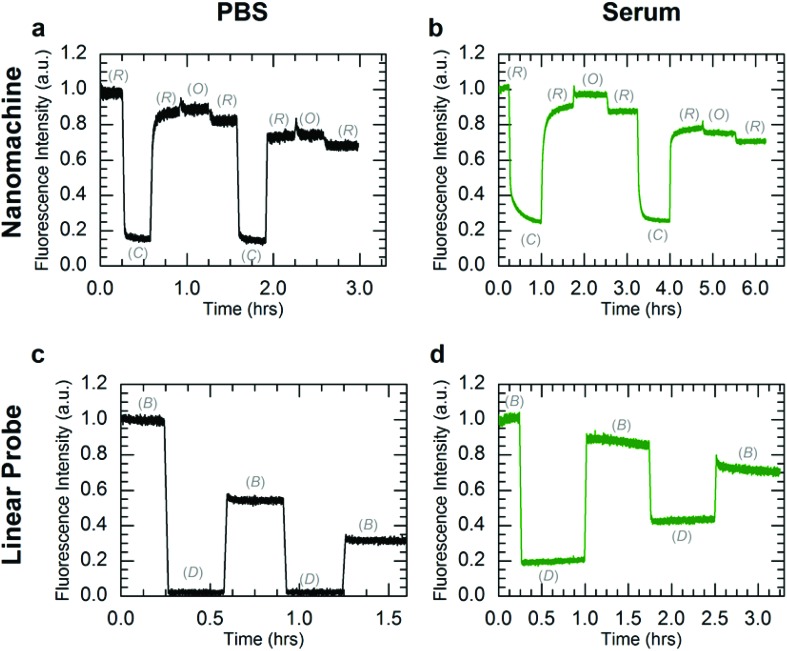
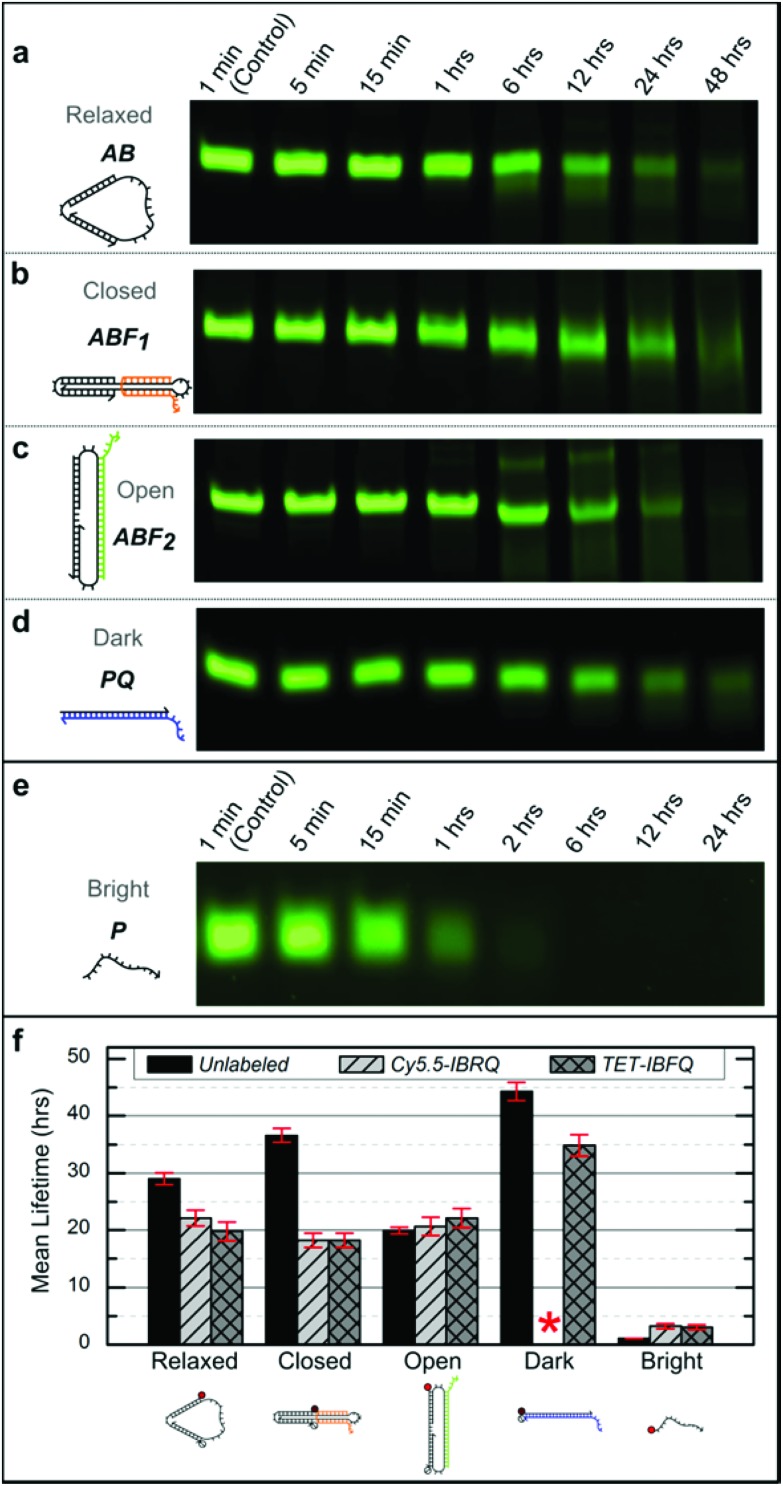
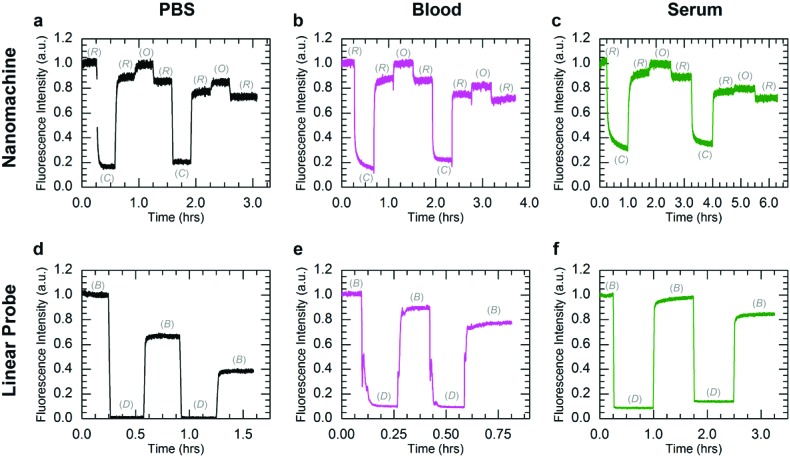
DNA nanotechnology holds the potential for enabling new tools for biomedical engineering, including diagnosis, prognosis, and therapeutics. However, applications for DNA devices are thought to be limited by rapid enzymatic degradation in serum and blood. Here, we demonstrate that a key aspect of DNA nanotechnology-programmable molecular shape-plays a substantial role in device lifetimes. These results establish the ability to operate synthetic DNA devices in the presence of endogenous enzymes and challenge the textbook view of near instantaneous degradation.
DNA纳米技术有潜力为生物医学工程带来新工具,包括诊断、预后和治疗。然而,DNA装置的应用被认为受到血清和血液中酶快速降解的限制。在此,我们证明了DNA纳米技术的一个关键方面——可编程分子形状——在装置寿命中起着重要作用。这些结果确立了在存在内源性酶的情况下操作合成DNA装置的能力,并挑战了教科书上关于几乎瞬间降解的观点。