Li Honghui, Cui Dongmei, Zhao Feng, Huo Lijun, Hu Jianmin, Zeng Junwen
State Key Laboratory of Ophthalmology, Zhongshan Ophthalmic Center, Sun Yat-sen University, 54 South Xianlie Road, Guangzhou, 510060, P. R. China.
The First Affiliated Hospital, Sun Yat-sen University, 58 Zhongshan Second Road, Guangzhou, 510080, P. R. China.
PLoS One. 2015 May 12;10(5):e0125219. doi: 10.1371/journal.pone.0125219. eCollection 2015.
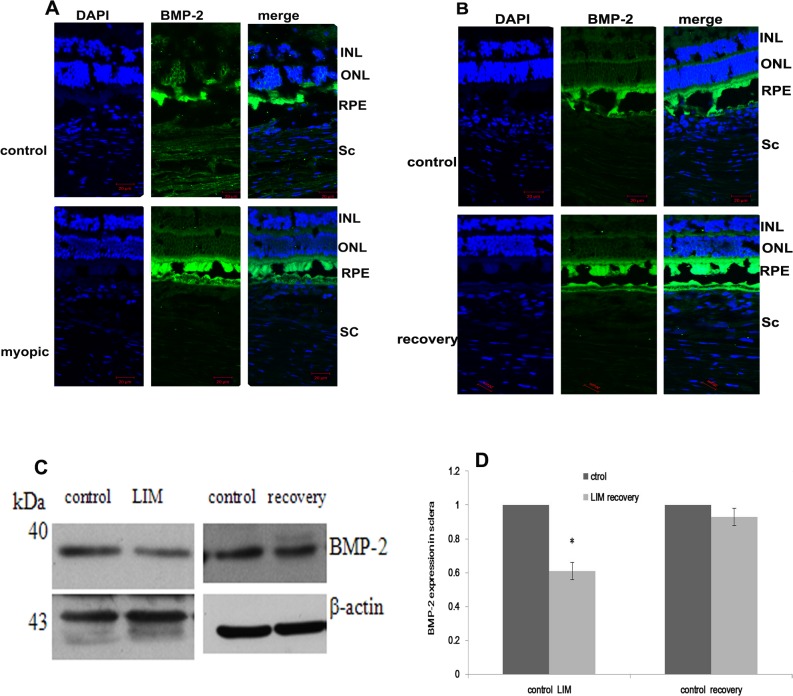
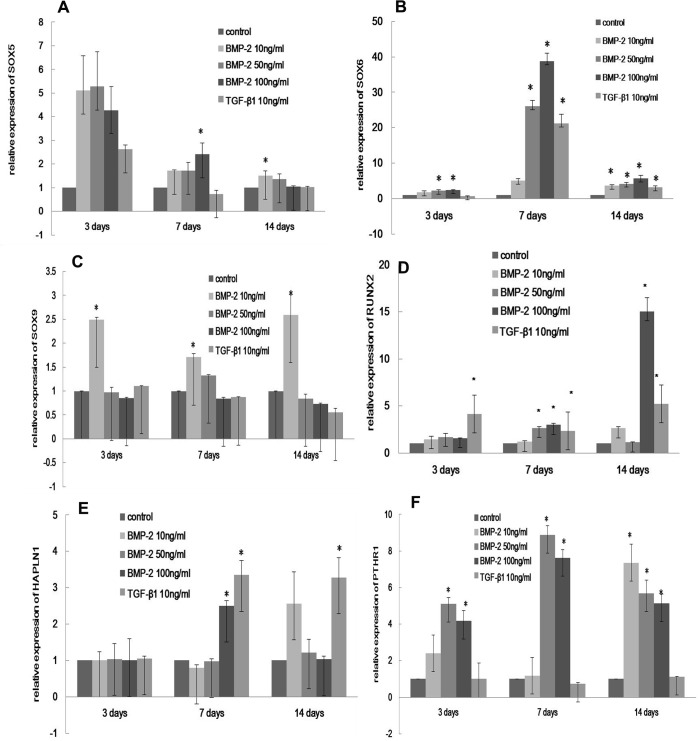
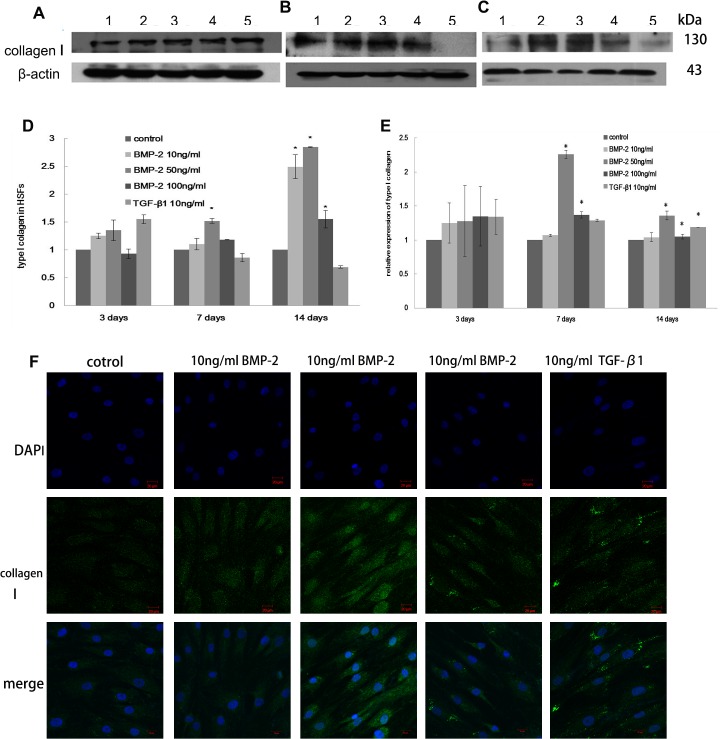
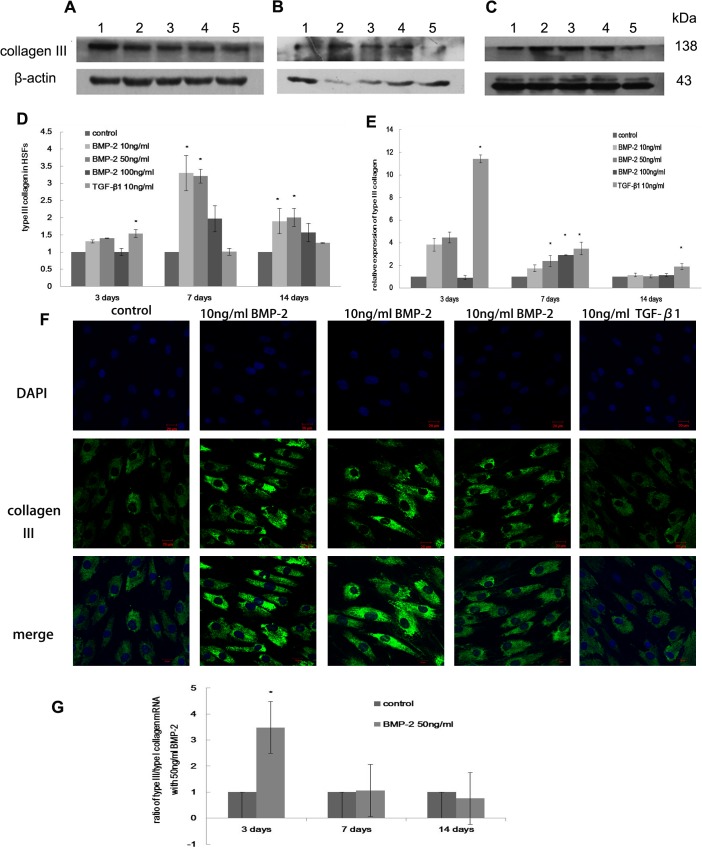
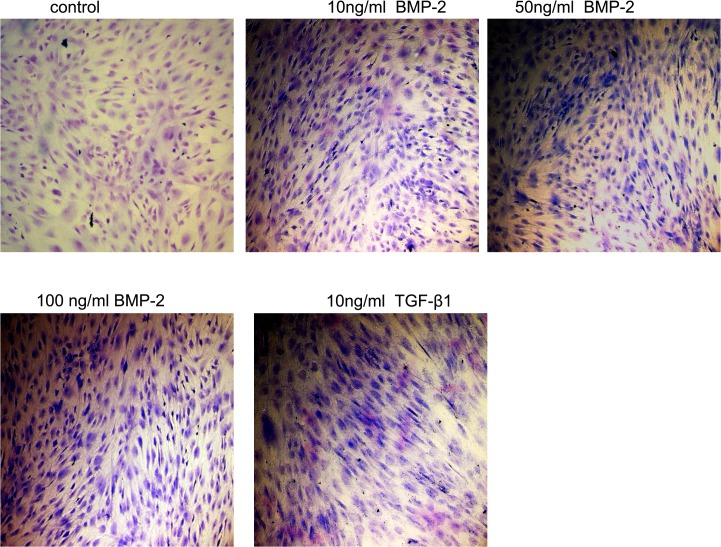
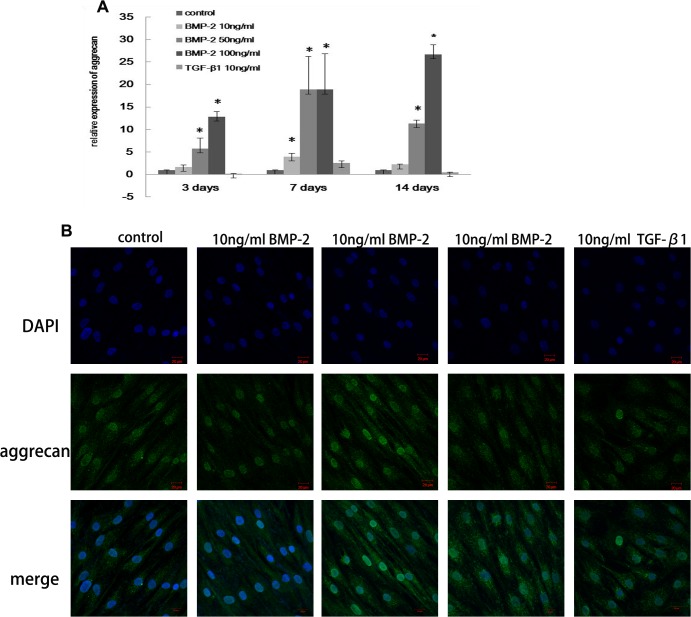
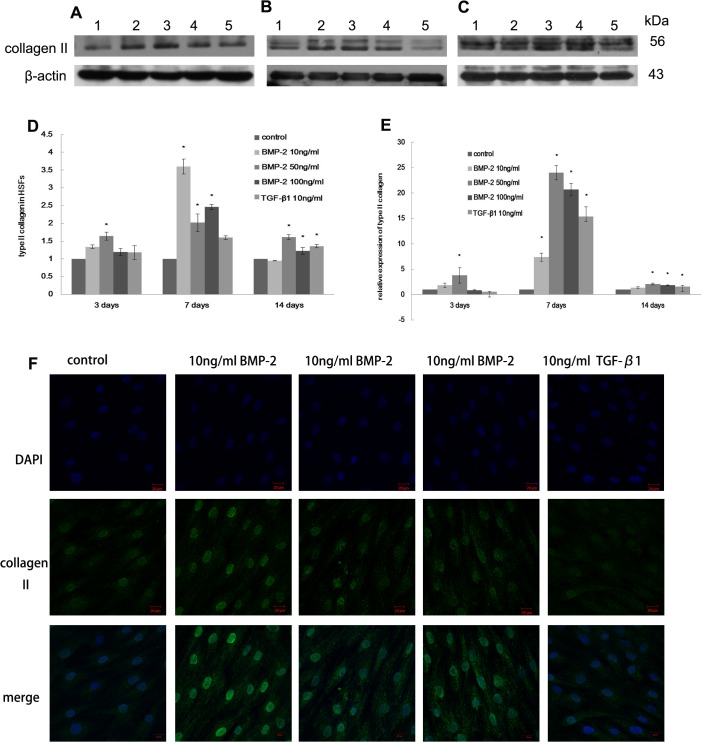
The development of myopia is associated with scleral remodeling, but it is unclear which factors regulate this process. This study investigated bone morphogenetic protein-2 (BMP-2) expression in the sclera of guinea pigs with lens-induced myopia (LIM) and after recovery from myopia and evaluated the effect of BMP-2 on extracellular matrix (ECM) synthesis in human scleral fibroblasts (HSFs) cultured in vitro. Lens-induced myopia was brought about in two groups of guinea pigs (the lens-induced myopia and myopia recovery groups) by placing -4.00 D lenses on the right eye for three weeks. The left eye served as a contralateral control. In the recovery group, the lenses were removed after one week. The refractive power and axial length of the eyes were measured, and the BMP-2 expression levels in the sclera were measured. After three weeks, the lens-induced eyes acquired relative myopia in both groups of guinea pigs. Immunostaining of the eyeballs revealed significantly decreased BMP-2 expression in the posterior sclera of the myopic eyes compared to the contralateral eyes. One week after lens removal, BMP-2 expression recovered, and no differences were observed between the experimental and contralateral eyes in the recovery group. HSFs were cultured with BMP-2 or transforming growth factor-β1 (TGF-β1). Type I and type III collagen synthesis was significantly up-regulated following BMP-2 treatment in culture after one and two weeks, but the ratio of type III to type I collagen mRNA was not increased. Biosynthesis of glycosaminoglycan (GAG) and aggrecan was increased in HSFs treated with BMP-2. Some chondrogenesis-associated genes expression increased in HSFs treated with BMP-2. From this study, we concluded that BMP-2 is involved in scleral remodeling in the development and recovery of lens-induced myopia.
近视的发展与巩膜重塑有关,但尚不清楚哪些因素调节这一过程。本研究调查了晶状体诱导性近视(LIM)豚鼠巩膜及近视恢复后骨形态发生蛋白-2(BMP-2)的表达,并评估了BMP-2对体外培养的人巩膜成纤维细胞(HSFs)细胞外基质(ECM)合成的影响。通过在两组豚鼠(晶状体诱导性近视组和近视恢复组)的右眼放置-4.00 D镜片三周来诱导晶状体性近视。左眼作为对侧对照。在恢复组中,一周后取出镜片。测量眼睛的屈光力和眼轴长度,并测量巩膜中BMP-2的表达水平。三周后,两组豚鼠的晶状体诱导眼均出现相对近视。眼球免疫染色显示,与对侧眼相比,近视眼中后巩膜的BMP-2表达显著降低。取出镜片一周后,BMP-2表达恢复,恢复组的实验眼与对侧眼之间未观察到差异。HSFs用BMP-2或转化生长因子-β1(TGF-β1)培养。在培养1周和2周后,BMP-2处理显著上调了I型和III型胶原蛋白的合成,但III型与I型胶原蛋白mRNA的比例没有增加。用BMP-2处理的HSFs中糖胺聚糖(GAG)和聚集蛋白聚糖的生物合成增加。用BMP-2处理的HSFs中一些软骨形成相关基因的表达增加。从本研究中,我们得出结论,BMP-2参与晶状体诱导性近视发展和恢复过程中的巩膜重塑。