Karami Reza, Hosseini Mahmoud, Mohammadpour Toktam, Ghorbani Ahmad, Sadeghnia Hamid Reza, Rakhshandeh Hassan, Vafaee Farzaneh, Esmaeilizadeh Mahdi
Student Research Committee, School of Medicine, Mashhad University of Medical Sciences, Mashhad, Iran.
Neurocognitive Research Center AND Department of Physiology, School of Medicine, Mashhad University of Medical Sciences, Mashhad, Iran.
Iran J Neurol. 2015 Apr 4;14(2):59-66.
An important role for oxidative stress, as a consequence of epileptic seizures, has been suggested. Coriandrum sativum has been shown that have antioxidant effects. Central nervous system depressant effects of C. sativum have also been reported. In this study, the effects of hydroalcoholic extract of aerial parts of the plants on brain tissues oxidative damages following seizures induced by pentylenetetrazole (PTZ) was investigated in rats.
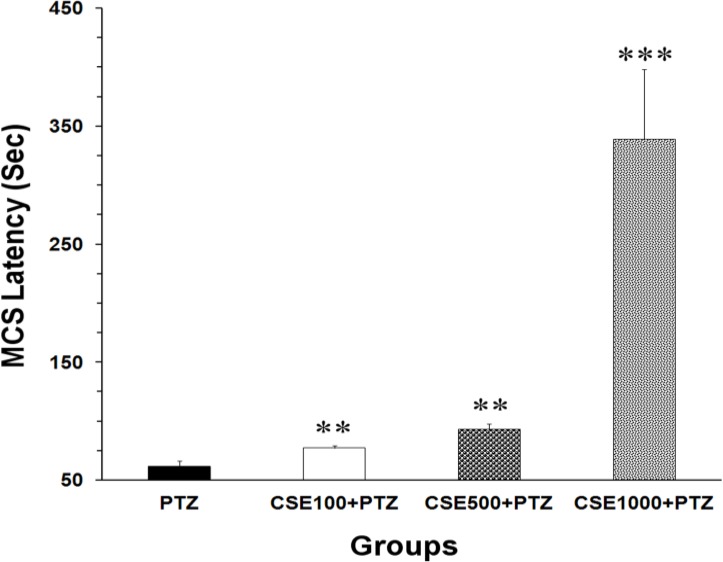
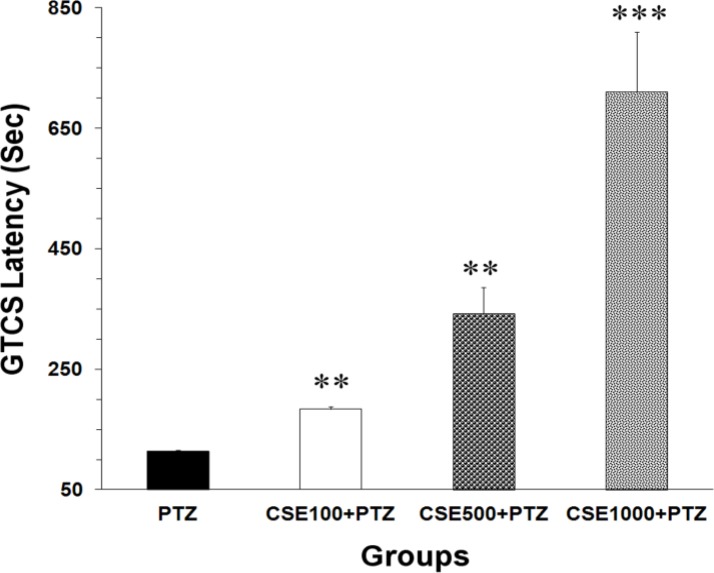
The rats were divided into five groups and treated: (1) Control (saline), (2) PTZ (90 mg/kg, i.p.), (3-5) three doses (100, 500 and 1000 mg/kg of C. sativum extract (CSE) before PTZ. Latencies to the first minimal clonic seizures (MCS) and the first generalized tonic-clonic seizures (GTCS) were recorded. The cortical and hippocampal tissues were then removed for biochemical measurements.
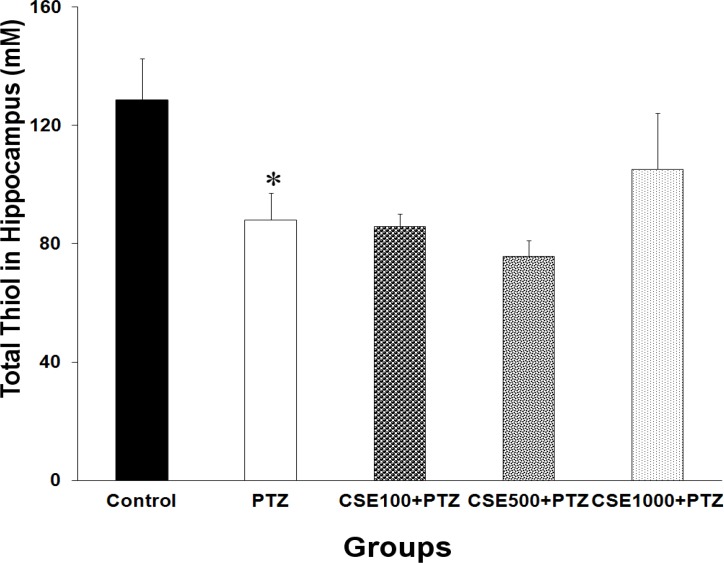
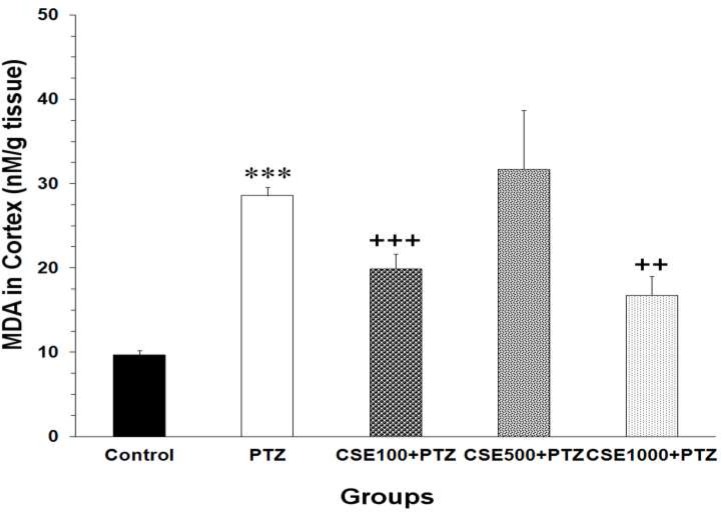
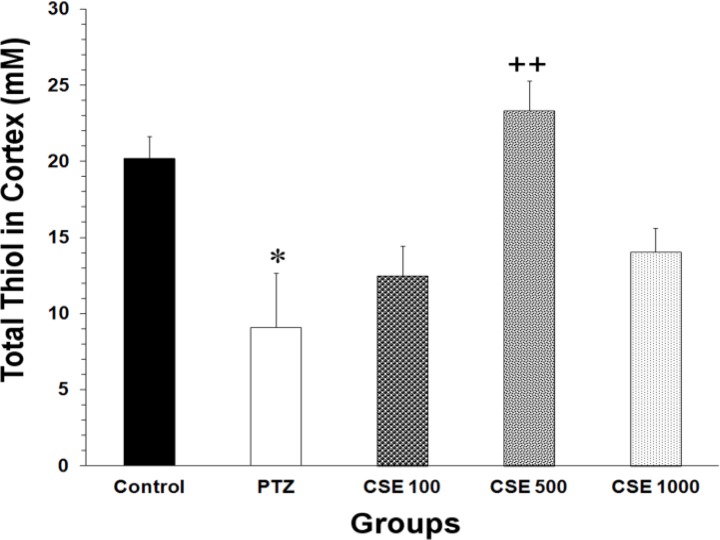
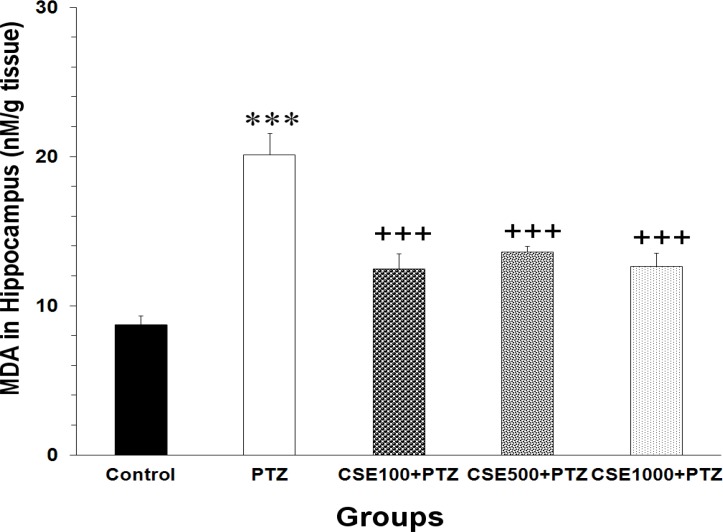
The extract significantly increased the MCS and GTCS latencies (P < 0.01, P < 0.001) following PTZ-induced seizures. The malondialdehyde (MDA) levels in both cortical and hippocampal tissues of PTZ group were significantly higher than those of the control animals (P < 0.001). Pretreatment with the extract prevented elevation of the MDA levels (P < 0.010-P < 0.001). Following PTZ administration, a significant reduction in total thiol groups was observed in both cortical and hippocampal tissues (P < 0.050). Pre-treatment with the 500 mg/kg of the extract caused a significant prevention of decreased in total thiol concentration in the cortical tissues (P < 0.010).
The present study showed that the hydroalcoholic extract of the aerial parts of C. sativum possess significant antioxidant and anticonvulsant activities.
已有研究表明,癫痫发作会导致氧化应激发挥重要作用。香菜已被证明具有抗氧化作用。也有报道称香菜具有中枢神经系统抑制作用。在本研究中,研究了该植物地上部分的水醇提取物对戊四氮(PTZ)诱导的大鼠癫痫发作后脑组织氧化损伤的影响。
将大鼠分为五组并进行处理:(1)对照组(生理盐水),(2)PTZ组(90毫克/千克,腹腔注射),(3 - 5)在PTZ给药前给予三个剂量(100、500和1000毫克/千克的香菜提取物(CSE))。记录首次最小阵挛性发作(MCS)和首次全身性强直 - 阵挛性发作(GTCS)的潜伏期。然后取出皮质和海马组织进行生化测量。
提取物显著延长了PTZ诱导癫痫发作后的MCS和GTCS潜伏期(P < 0.01,P < 0.001)。PTZ组皮质和海马组织中的丙二醛(MDA)水平均显著高于对照动物(P < 0.001)。提取物预处理可防止MDA水平升高(P < 0.010 - P < 0.001)。给予PTZ后,皮质和海马组织中的总巯基含量均显著降低(P < 0.050)。用500毫克/千克的提取物预处理可显著防止皮质组织中总巯基浓度的降低(P < 0.010)。
本研究表明,香菜地上部分的水醇提取物具有显著的抗氧化和抗惊厥活性。