Gangopadhyay Nirupama, Hossain Mohammad B, Rai Dilip K, Brunton Nigel P
Department of Food BioSciences, Teagasc Food Research Centre Ashtown, Dublin 15, Ireland.
Food Science and Nutrition, School of Agriculture and Food Science, University College Dublin, Dublin 4, Ireland.
Molecules. 2015 Jun 12;20(6):10884-909. doi: 10.3390/molecules200610884.
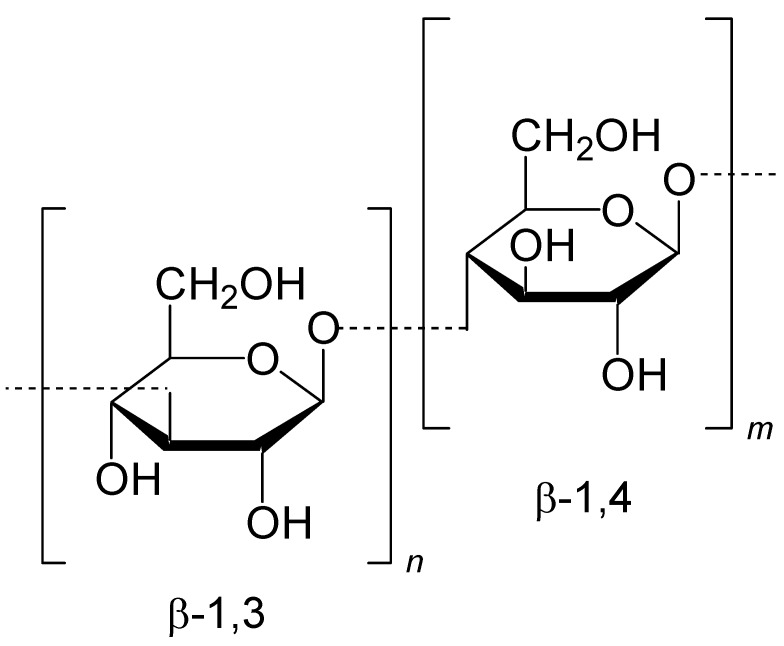
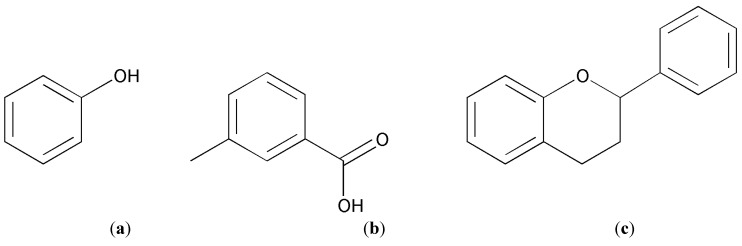
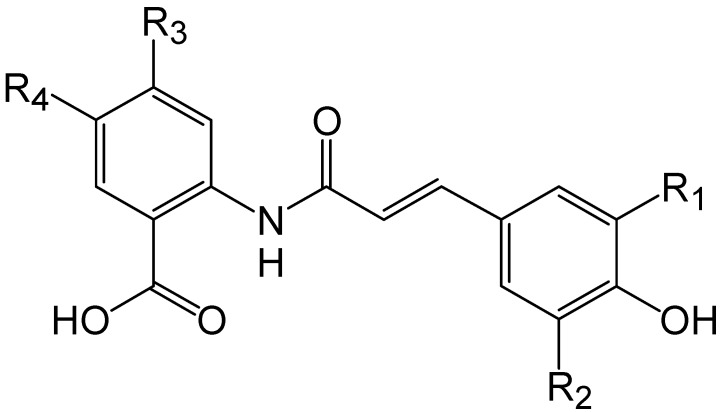
Oat and barely are cereal crops mainly used as animal feed and for the purposes of malting and brewing, respectively. Some studies have indicated that consumption of oat and barley rich foods may reduce the risk of some chronic diseases such as coronary heart disease, type II diabetes and cancer. Whilst there is no absolute consensus, some of these benefits may be linked to presence of compounds such as phenolics, vitamin E and β-glucan in these cereals. A number of benefits have also been linked to the lipid component (sterols, fatty acids) and the proteins and bioactive peptides in oats and barley. Since the available evidence is pointing toward the possible health benefits of oat and barley components, a number of authors have examined techniques for recovering them from their native sources. In the present review, we summarise and examine the range of conventional techniques that have been used for the purpose of extraction and detection of these bioactives. In addition, the recent advances in use of novel food processing technologies as a substitute to conventional processes for extraction of bioactives from oats and barley, has been discussed.
燕麦和大麦是谷类作物,主要分别用作动物饲料以及用于麦芽制造和酿造。一些研究表明,食用富含燕麦和大麦的食物可能会降低患某些慢性疾病的风险,如冠心病、II型糖尿病和癌症。虽然尚无绝对共识,但其中一些益处可能与这些谷物中酚类、维生素E和β-葡聚糖等化合物的存在有关。燕麦和大麦中的脂质成分(甾醇、脂肪酸)以及蛋白质和生物活性肽也与许多益处有关。由于现有证据表明燕麦和大麦成分可能对健康有益,许多作者研究了从其天然来源中提取它们的技术。在本综述中,我们总结并研究了用于提取和检测这些生物活性物质的一系列传统技术。此外,还讨论了使用新型食品加工技术替代从燕麦和大麦中提取生物活性物质的传统工艺的最新进展。