Grech Michelle Rita
Australian Maritime Safety Authority, 82 Northbourne Avenue, Braddon ACT 2612, Australia.
Int J Environ Res Public Health. 2016 Jan 29;13(2):175. doi: 10.3390/ijerph13020175.
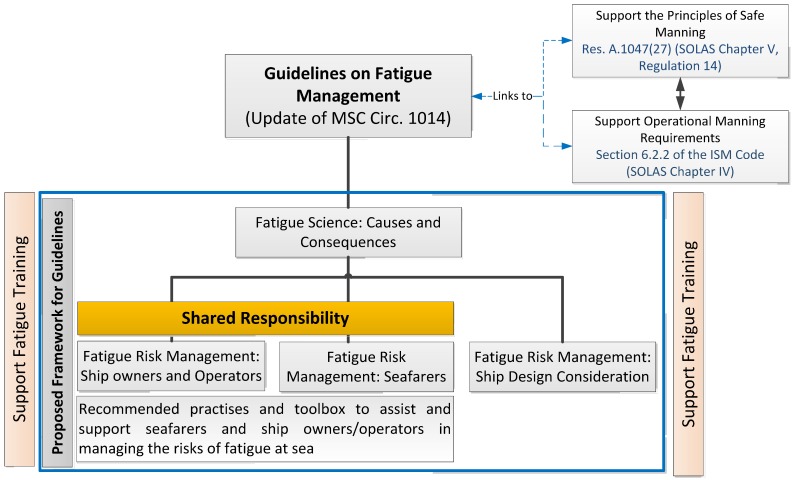
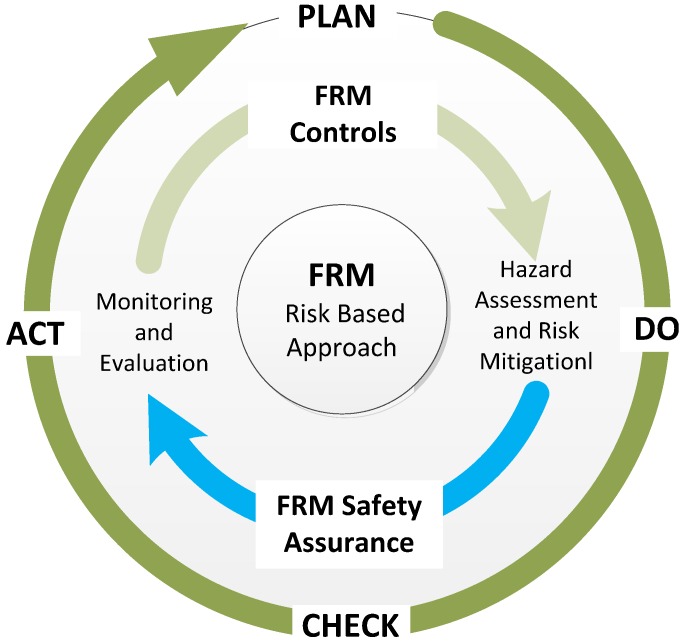
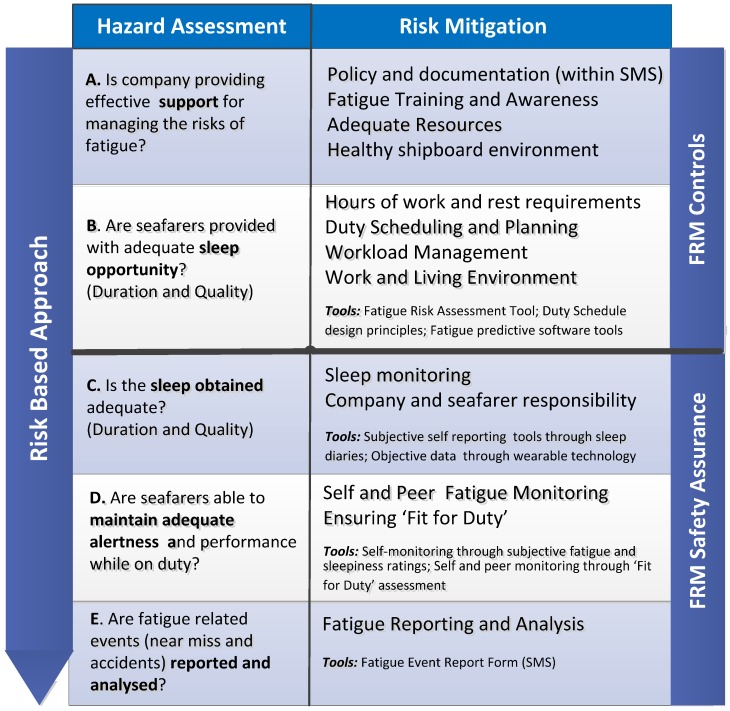
It is evident that despite efforts directed at mitigating the risk of fatigue through the adoption of hours of work and rest regulations and development of codes and guidelines, fatigue still remains a concern in shipping. Lack of fatigue management has been identified as a contributory factor in a number of recent accidents. This is further substantiated through research reports with shortfalls highlighted in current fatigue management approaches. These approaches mainly focus on prescriptive hours of work and rest and include an individualistic approach to managing fatigue. The expectation is that seafarers are responsible to manage and tolerate fatigue as part of their working life at sea. This attitude is an accepted part of a seafarer's role. Poor compliance is one manifest of this problem with shipboard demands making it hard for seafarers to follow hours of work and rest regulations, forcing them into this "poor compliance" trap. This makes current fatigue management approaches ineffective. This paper proposes a risk based approach and way forward for the implementation of a fatigue risk management framework for shipping, aiming to support the hours of work and rest requirements. This forms part of the work currently underway to review and update the International Maritime Organization, Guidelines on Fatigue.
显而易见,尽管通过采用工作和休息时间规定以及制定守则和准则来努力降低疲劳风险,但疲劳在航运业中仍然是一个令人担忧的问题。缺乏疲劳管理已被认定为近期多起事故的一个促成因素。当前疲劳管理方法中存在的不足之处在研究报告中得到了进一步证实。这些方法主要侧重于规定性的工作和休息时间,并包括一种管理疲劳的个人主义方法。期望海员将管理和忍受疲劳作为其海上工作生活的一部分。这种态度是海员角色中被认可的一部分。合规性差是这个问题的一种表现,船上的要求使海员难以遵守工作和休息时间规定,迫使他们陷入这种“合规性差”的困境。这使得当前的疲劳管理方法无效。本文提出了一种基于风险的方法以及实施航运业疲劳风险管理框架的前进方向,旨在支持工作和休息时间要求。这是目前正在进行的审查和更新国际海事组织《疲劳准则》工作的一部分。