Guan Li-Ren, Zhou Zheng-Bin, Jin Chang-Fa, Fu Qing, Chai Jun-Jie
National Institute of Parasitic Diseases, Chinese Center for Disease Control and Prevention/Key Laboratory of Parasite and Vector Biology, Ministry Of Health/WHO Collaborating Center for Tropical Diseases, Shanghai, 200025, China.
Center for Disease Control and Prevention of Xinjiang Uygur Autonomous Region, Urumqi, 830002, China.
Infect Dis Poverty. 2016 Feb 23;5:15. doi: 10.1186/s40249-016-0107-z.
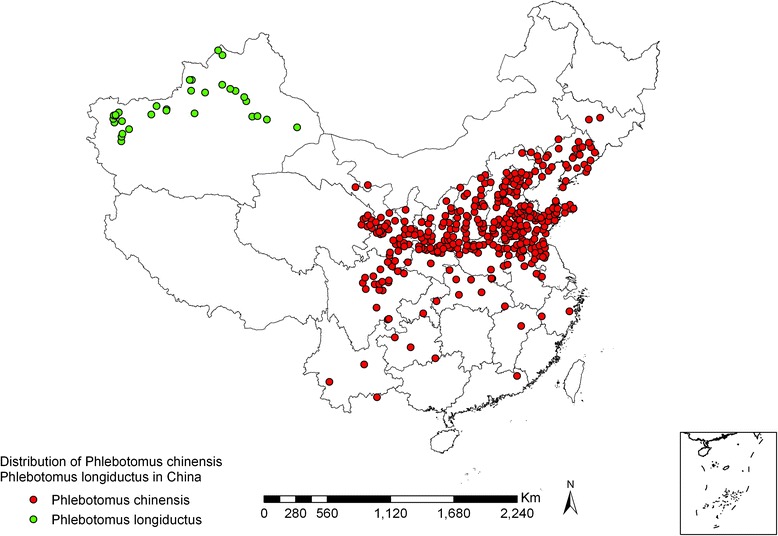
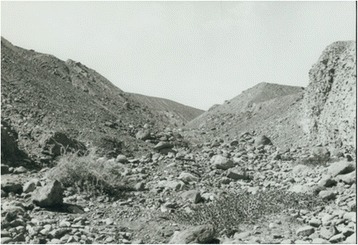
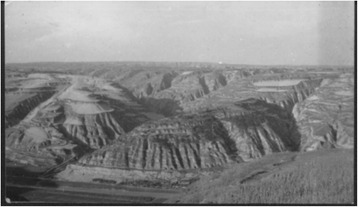
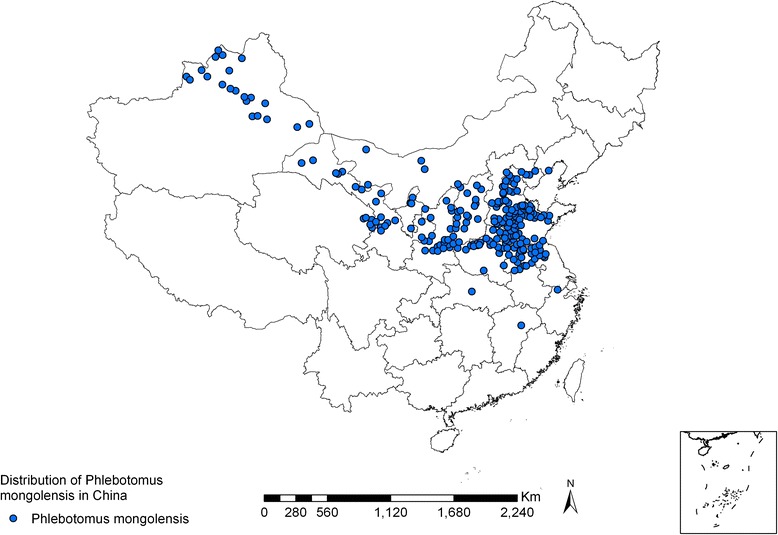
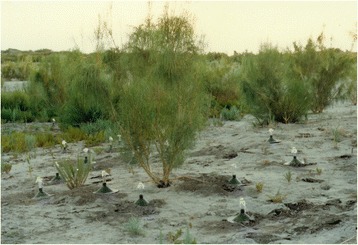
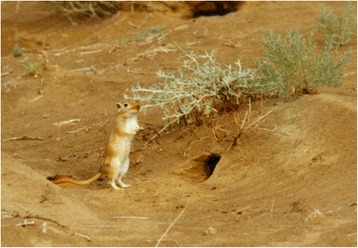
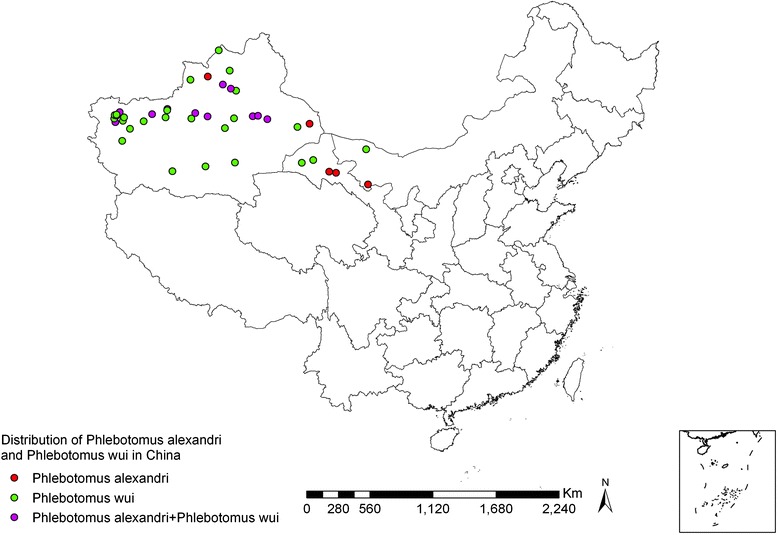
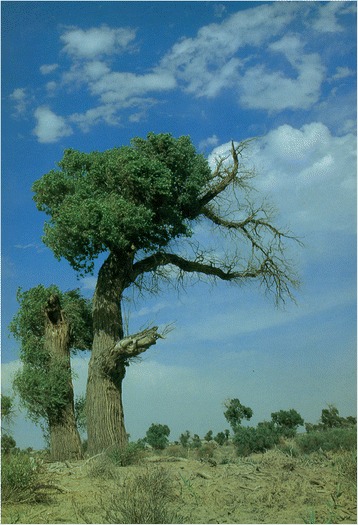
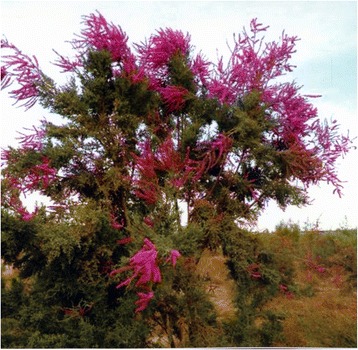
After the existence of phlebotomine sand flies was first reported in China in 1910, the distribution of different species and their role in the transmission of visceral leishmaniasis (VL) have been extensively studied. Up until 2008, four species have been verified as vectors of VL, namely, Phlebotomus chinensis (Ph. sichuanensis), Ph. longiductus (Ph. chinensis longiductus), Ph. wui (Ph. major wui), and Ph. alexandri. The sand fly species vary greatly depending on the natural environments in the different geographic areas where they are endemic. Ph. chinensis is euryecious and adaptable to different ecologies, and is thus distributed widely in the plain, mountainous, and Loess Plateau regions north of the Yangtze River. Ph. longiductus is mainly distributed in ancient oasis areas south of Mt. Tianshan in the Xinjiang Uygur autonomous region. Ph. wui is the predominant species in deserts with Populus diversifolia and Tamarix vegetation in Xinjiang and the western part of the Inner Mongolia autonomous region. Finally, Ph. alexandri is steroecious and found only in stony desert areas, such as at the foot of the mountains in Xinjiang and the western Hexi Corridor, in Gansu province. This review summarized the relationship between the geographic distribution pattern of the four sand fly species and their geographical landscape in order to foster research on disease distribution and sand fly control planning. Furthermore, some problems that remained to be solved about vectors of VL in China were discussed.
1910年中国首次报道白蛉存在后,对不同种类白蛉的分布及其在内脏利什曼病(VL)传播中的作用进行了广泛研究。截至2008年,已证实有4种白蛉为VL的传播媒介,即中华白蛉(四川白蛉)、长管白蛉(中华白蛉长管亚种)、吴氏白蛉(吴氏大劣白蛉)和亚历山大白蛉。白蛉种类因它们所 endemic 的不同地理区域的自然环境而有很大差异。中华白蛉广食性且适应不同生态环境,因此广泛分布于长江以北的平原、山区和黄土高原地区。长管白蛉主要分布在新疆维吾尔自治区天山以南的古代绿洲地区。吴氏白蛉是新疆和内蒙古自治区西部有胡杨和柽柳植被的沙漠中的优势种。最后,亚历山大白蛉狭食性,仅见于多石沙漠地区,如新疆的山脚和甘肃省河西走廊西部。本综述总结了这4种白蛉的地理分布模式与其地理景观之间的关系,以促进疾病分布研究和白蛉防治规划。此外,还讨论了中国VL传播媒介方面一些有待解决的问题。