Chen Q, Jiang J R, Zhang G Z, Cai L, Crous P W
State Key Laboratory of Mycology, Institute of Microbiology, Chinese Academy of Sciences, No. 1 West Beichen Rd, Chaoyang District, Beijing 100101, China.
College of Agriculture and Biotechnology, China Agricultural University, No. 2 West Yuanmingyuan Rd, Haidian District, Beijing 100193, China.
Stud Mycol. 2015 Sep;82:137-217. doi: 10.1016/j.simyco.2015.10.003. Epub 2015 Nov 26.
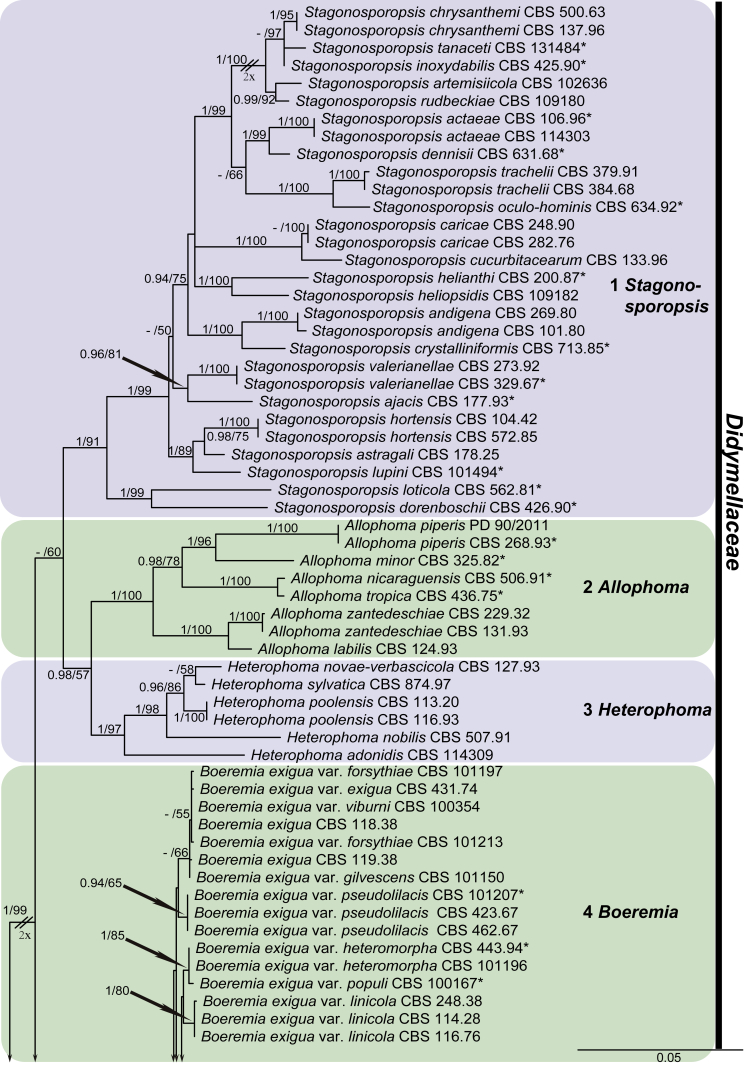
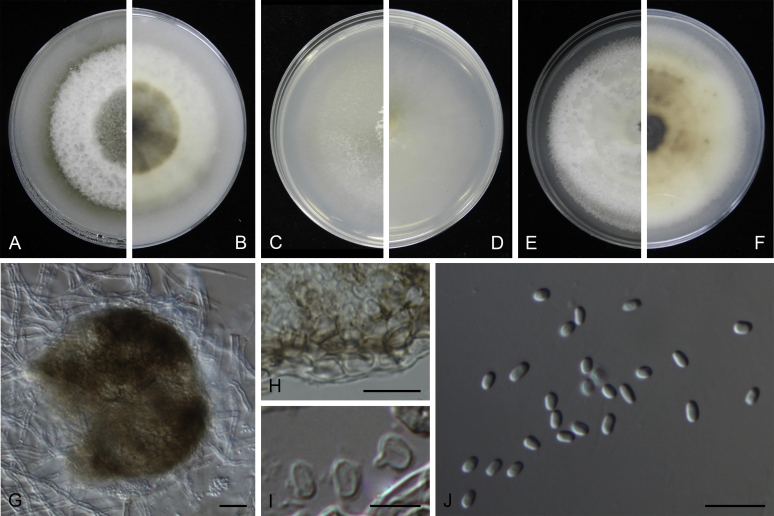
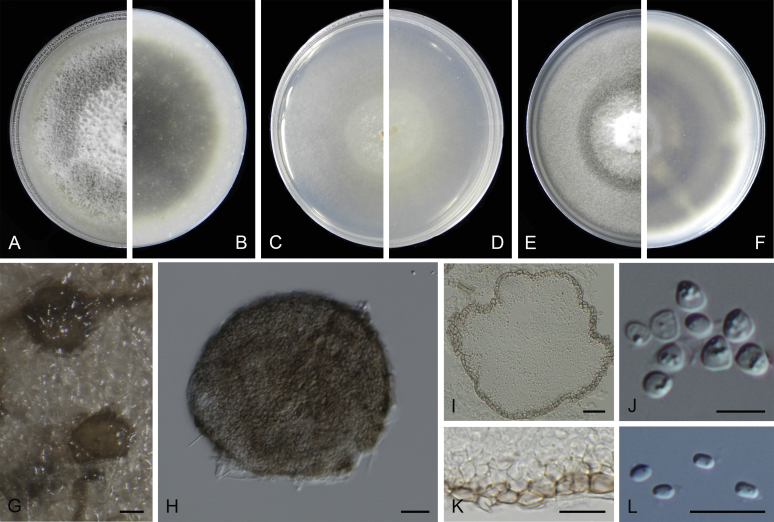
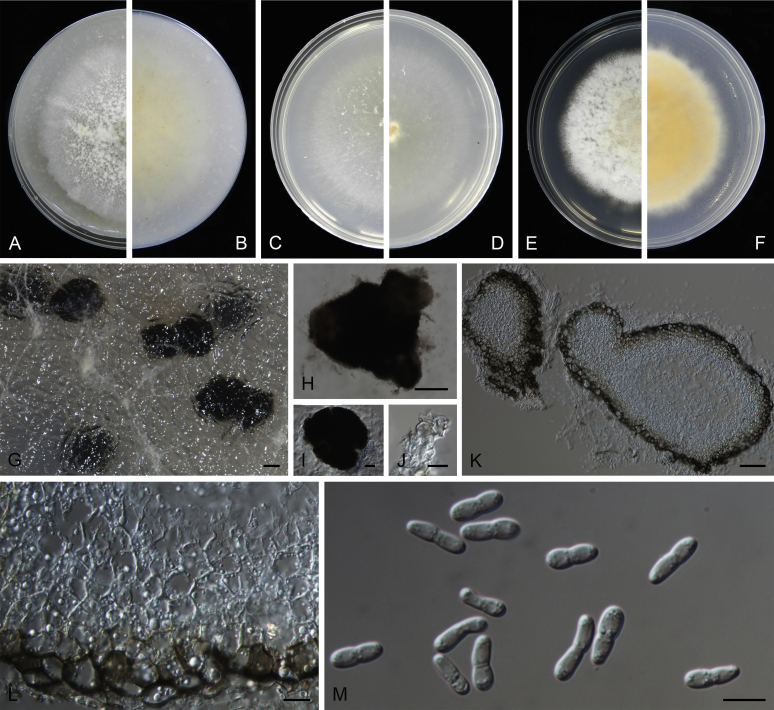
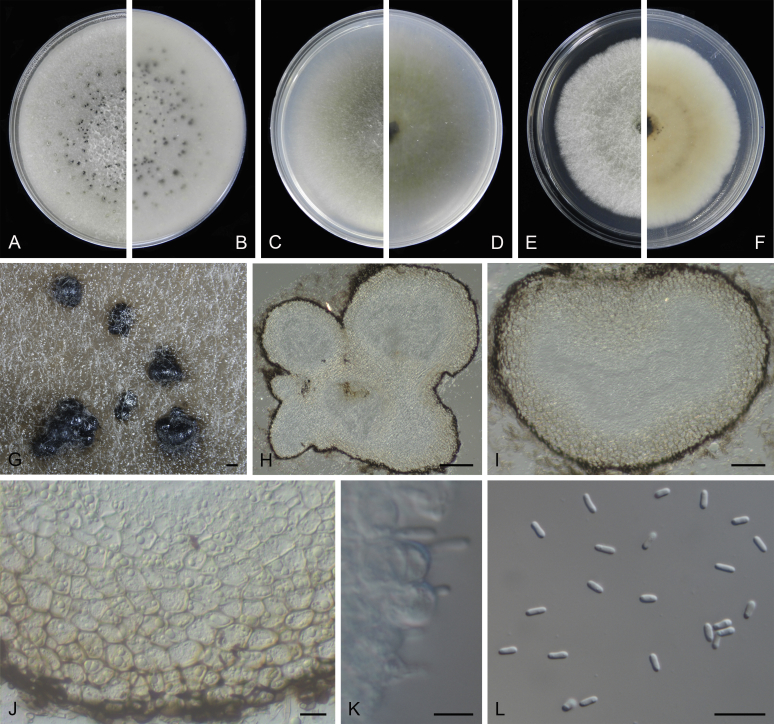
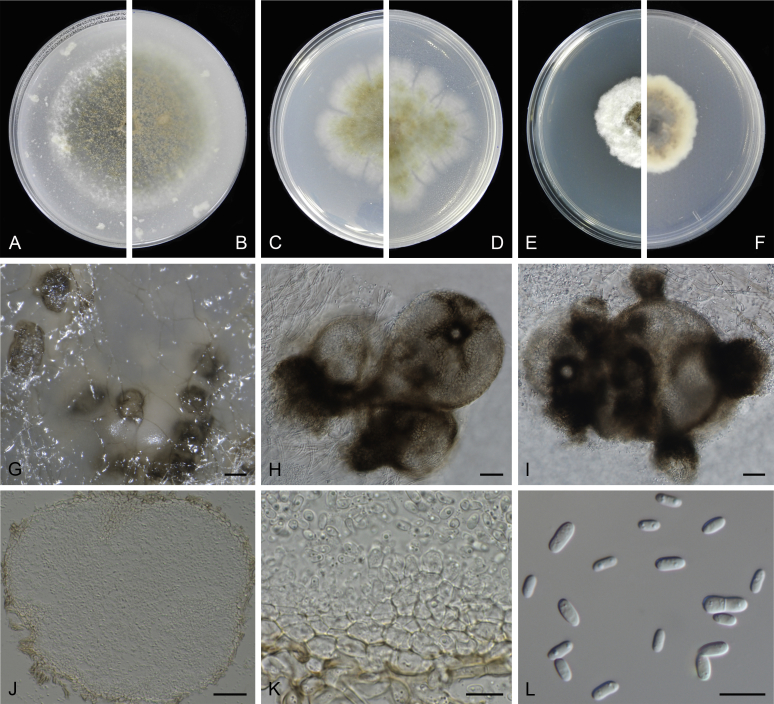
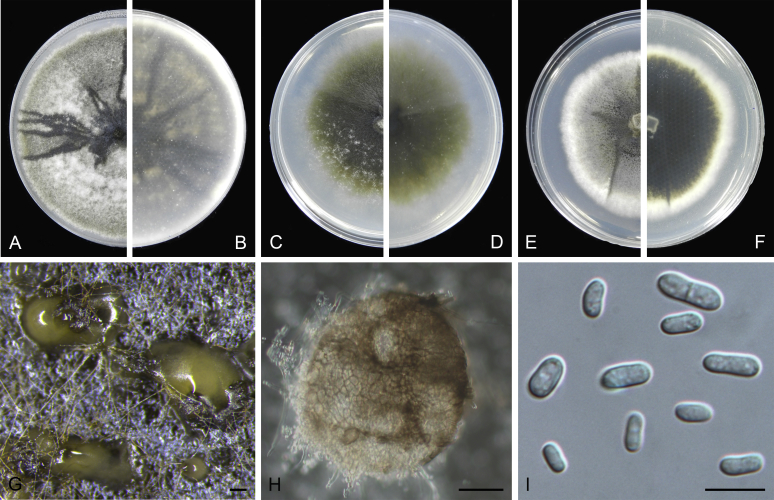
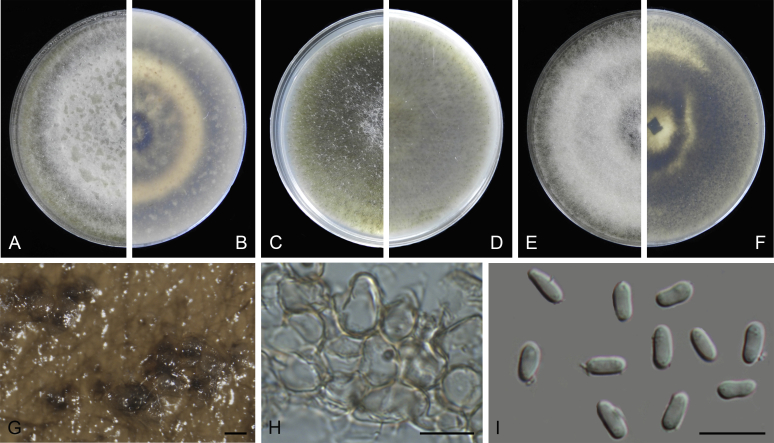
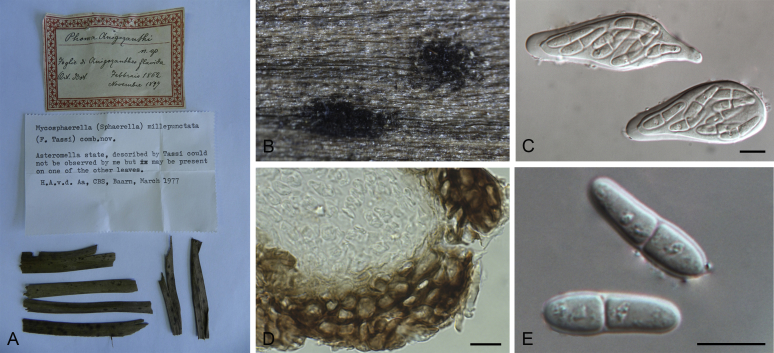
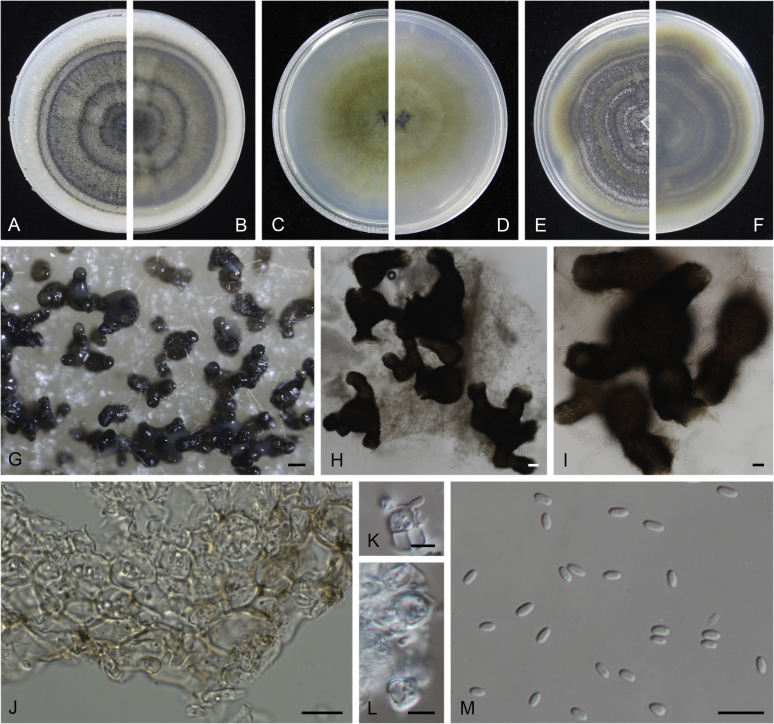
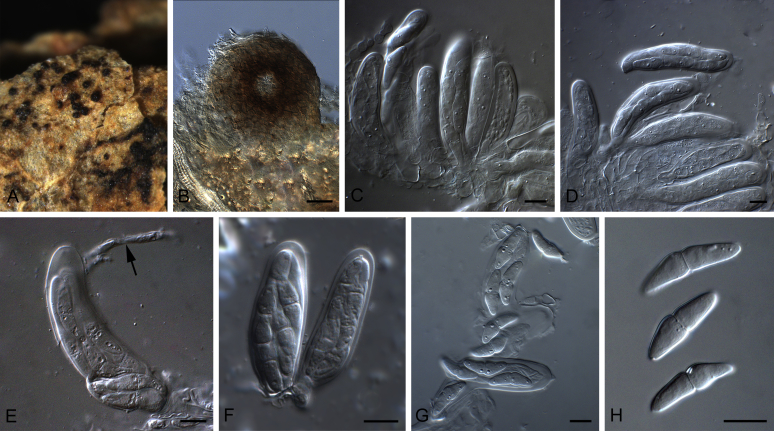
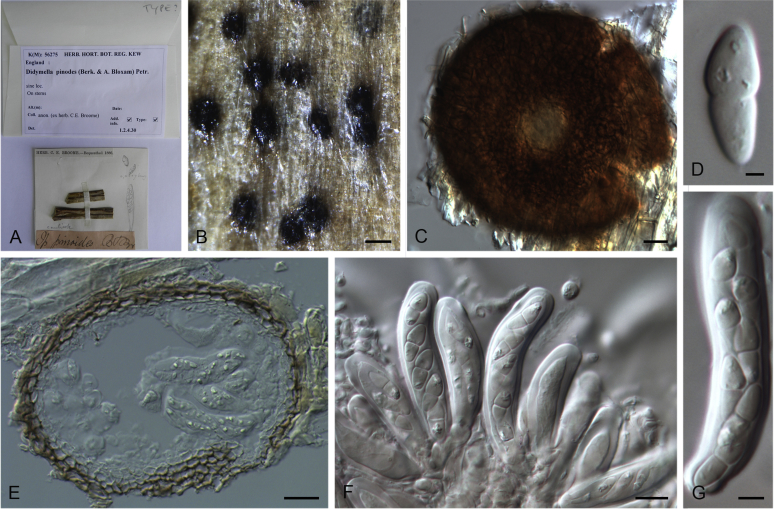
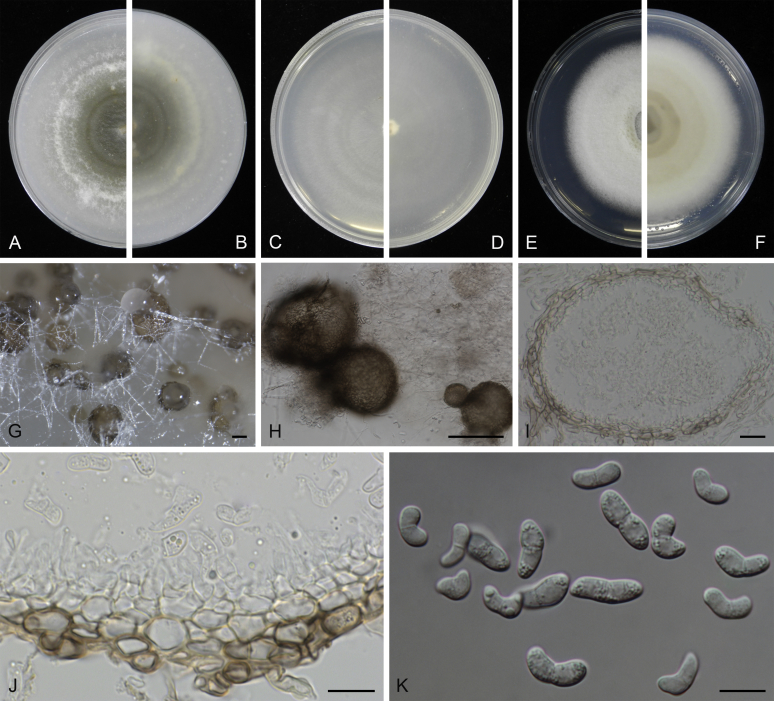
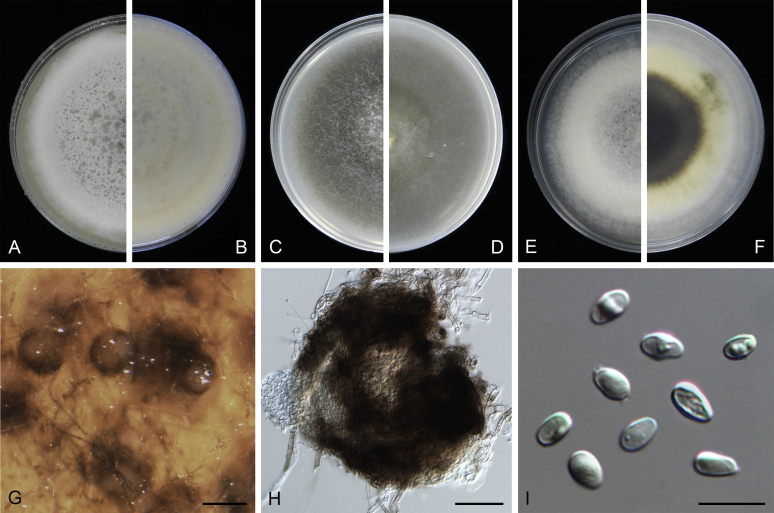
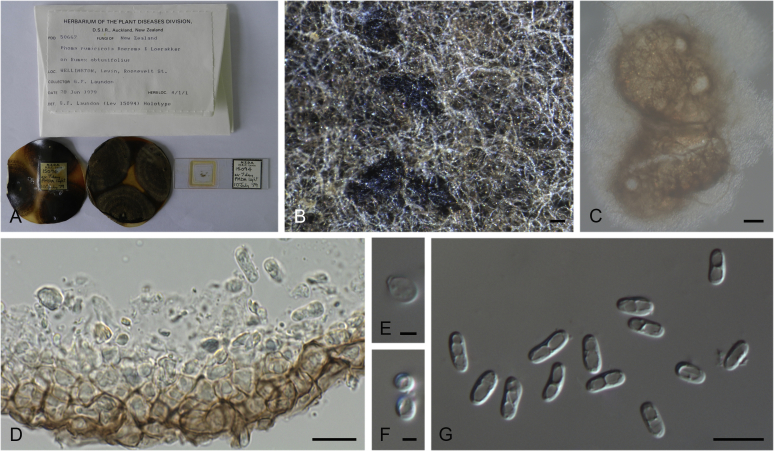
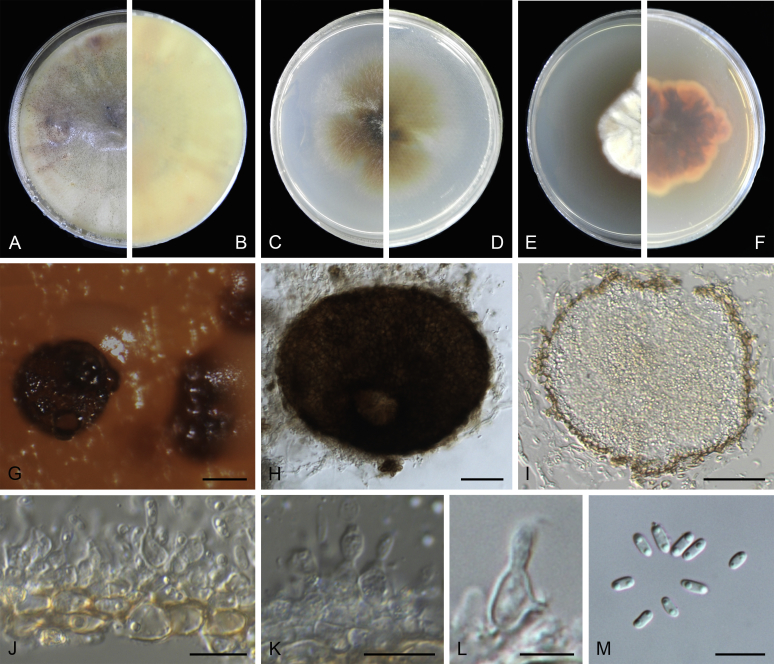
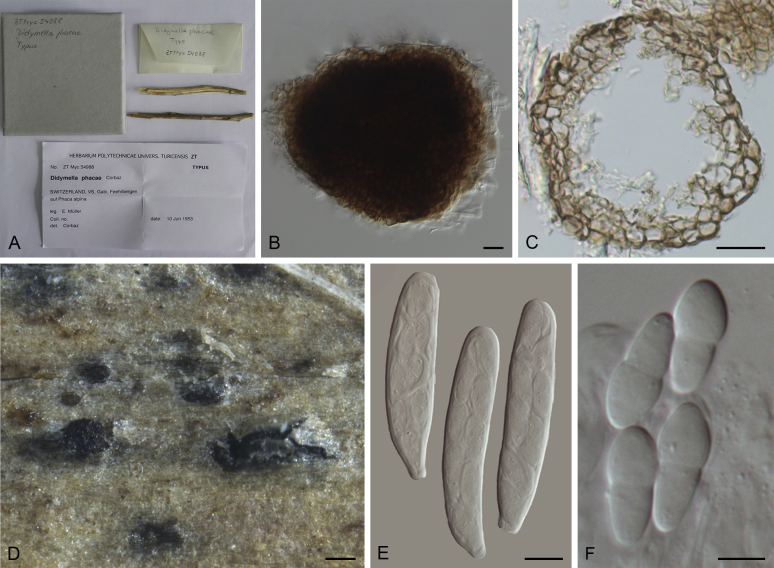
The Didymellaceae was established in 2009 to accommodate Ascochyta, Didymella and Phoma, as well as several related phoma-like genera. The family contains numerous plant pathogenic, saprobic and endophytic species associated with a wide range of hosts. Ascochyta and Phoma are morphologically difficult to distinguish, and species from both genera have in the past been linked to Didymella sexual morphs. The aim of the present study was to clarify the generic delimitation in Didymellaceae by combing multi-locus phylogenetic analyses based on ITS, LSU, rpb2 and tub2, and morphological observations. The resulting phylogenetic tree revealed 17 well-supported monophyletic clades in Didymellaceae, leading to the introduction of nine genera, three species, two nomina nova and 84 combinations. Furthermore, 11 epitypes and seven neotypes were designated to help stabilise the taxonomy and use of names. As a result of these data, Ascochyta, Didymella and Phoma were delineated as three distinct genera, and the generic circumscriptions of Ascochyta, Didymella, Epicoccum and Phoma emended. Furthermore, the genus Microsphaeropsis, which is morphologically distinct from the members of Didymellaceae, grouped basal to the Didymellaceae, for which a new family Microsphaeropsidaceae was introduced.
双隔孢科于2009年建立,用于容纳壳二孢属、双隔孢属和茎点霉属,以及几个相关的类茎点霉属。该科包含许多与广泛宿主相关的植物病原、腐生和内生种类。壳二孢属和茎点霉属在形态上难以区分,过去这两个属的种类都与双隔孢属的有性型相关。本研究的目的是通过结合基于ITS、LSU、rpb2和tub2的多位点系统发育分析以及形态学观察,来阐明双隔孢科的属级界定。由此产生的系统发育树揭示了双隔孢科中有17个得到充分支持的单系分支,从而引入了9个属、3个种、2个新名称和84个组合。此外,指定了11个后选模式和7个新模式,以帮助稳定分类学和名称的使用。基于这些数据,壳二孢属、双隔孢属和茎点霉属被划定为三个不同的属,并对壳二孢属、双隔孢属、附球菌属和茎点霉属的属的范围进行了修订。此外,形态上与双隔孢科成员不同的小球腔菌属,聚在双隔孢科的基部,为此引入了一个新科——小球腔菌科。