Jonauskaite Domicele, Mohr Christine, Antonietti Jean-Philippe, Spiers Peter M, Althaus Betty, Anil Selin, Dael Nele
Institute of Psychology, University of Lausanne, Lausanne, Switzerland.
Global R&D, AkzoNobel, Slough, United Kingdom.
PLoS One. 2016 Mar 29;11(3):e0152194. doi: 10.1371/journal.pone.0152194. eCollection 2016.
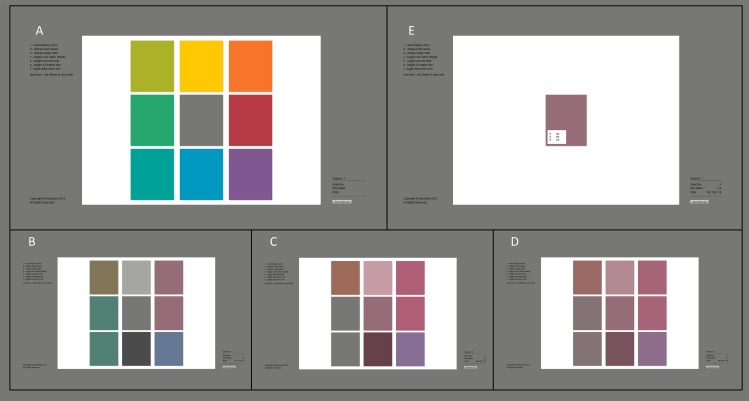
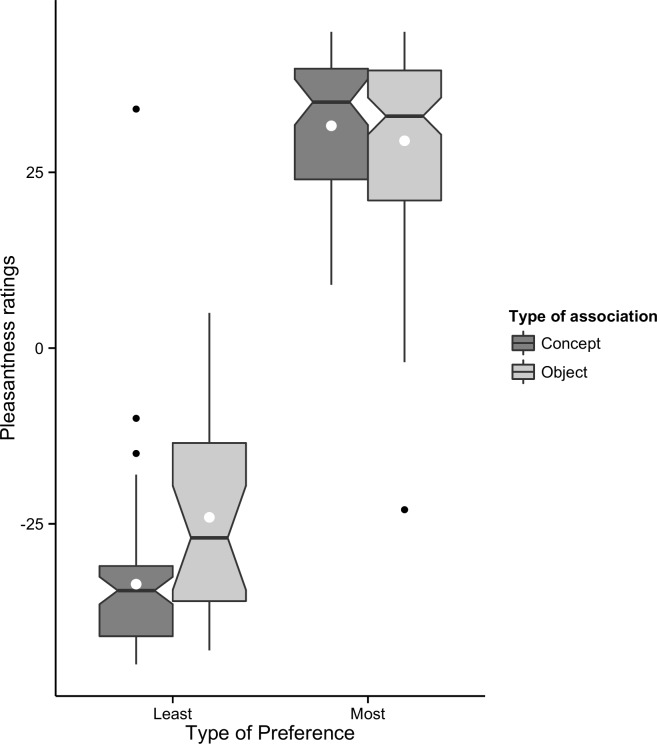
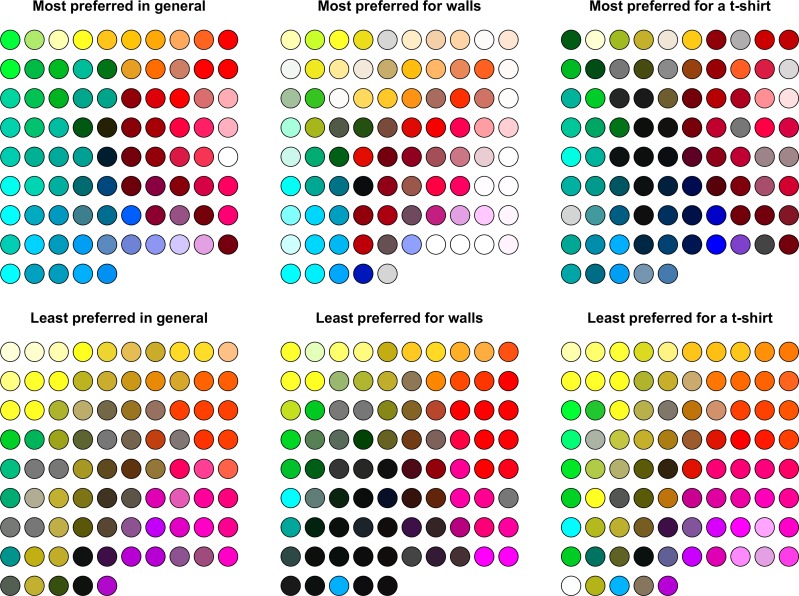
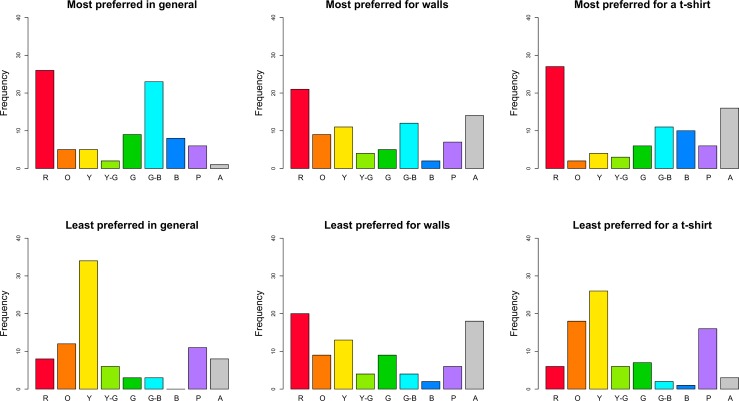
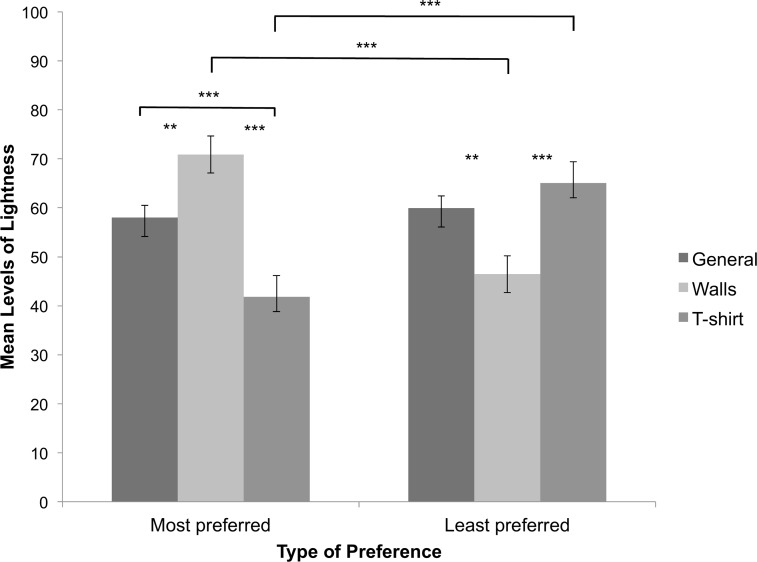
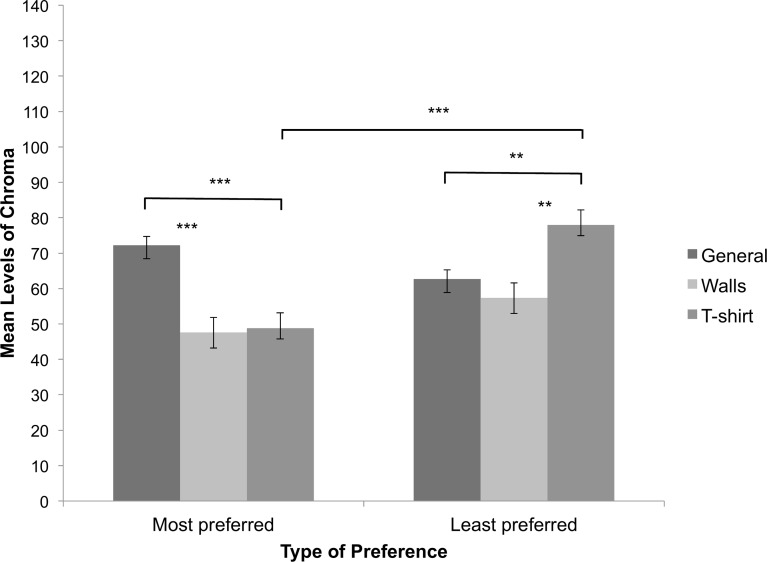
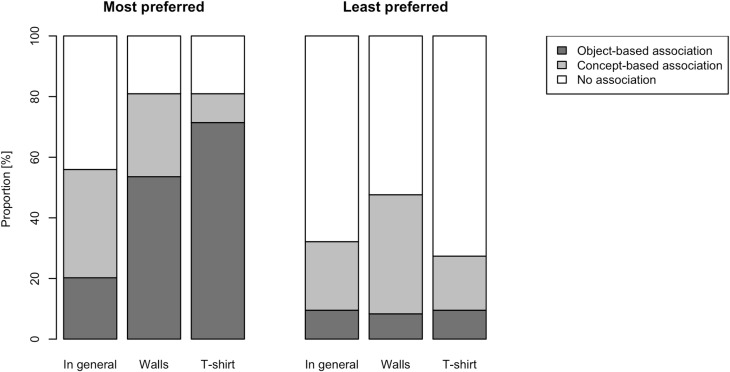
Humans like some colours and dislike others, but which particular colours and why remains to be understood. Empirical studies on colour preferences generally targeted most preferred colours, but rarely least preferred (disliked) colours. In addition, findings are often based on general colour preferences leaving open the question whether results generalise to specific objects. Here, 88 participants selected the colours they preferred most and least for three context conditions (general, interior walls, t-shirt) using a high-precision colour picker. Participants also indicated whether they associated their colour choice to a valenced object or concept. The chosen colours varied widely between individuals and contexts and so did the reasons for their choices. Consistent patterns also emerged, as most preferred colours in general were more chromatic, while for walls they were lighter and for t-shirts they were darker and less chromatic compared to least preferred colours. This meant that general colour preferences could not explain object specific colour preferences. Measures of the selection process further revealed that, compared to most preferred colours, least preferred colours were chosen more quickly and were less often linked to valenced objects or concepts. The high intra- and inter-individual variability in this and previous reports furthers our understanding that colour preferences are determined by subjective experiences and that most and least preferred colours are not processed equally.
人类喜欢某些颜色而不喜欢其他颜色,但具体是哪些颜色以及原因仍有待了解。关于颜色偏好的实证研究通常针对最喜欢的颜色,但很少涉及最不喜欢(厌恶)的颜色。此外,研究结果往往基于一般的颜色偏好,这使得结果是否适用于特定物体的问题悬而未决。在这里,88名参与者使用高精度颜色选择器,针对三种情境条件(一般、室内墙壁、T恤)选择了他们最喜欢和最不喜欢的颜色。参与者还指出他们是否将自己的颜色选择与一个有正负效价的物体或概念联系起来。所选颜色在个体和情境之间差异很大,他们选择颜色的原因也是如此。一致的模式也出现了,一般来说,最喜欢的颜色更鲜艳,而对于墙壁来说,它们更浅,对于T恤来说,与最不喜欢的颜色相比,它们更暗且不太鲜艳。这意味着一般的颜色偏好无法解释特定物体的颜色偏好。选择过程的测量进一步表明,与最喜欢的颜色相比,最不喜欢的颜色选择得更快,并且与有正负效价的物体或概念的联系也更少。本报告及之前报告中个体内部和个体之间的高度变异性进一步加深了我们的理解,即颜色偏好由主观体验决定,最喜欢和最不喜欢的颜色的处理方式并不相同。