Jeff Iteku Bekomo, Fan Enxue, Tian Meihong, Song Chenyang, Yan Jingmin, Zhou Yifa
Northeast Normal University, University of Kinshasa, Changchun, City, Jilin Province, PR China.
Cent Eur J Immunol. 2016;41(1):47-53. doi: 10.5114/ceji.2015.56962. Epub 2016 Jan 20.
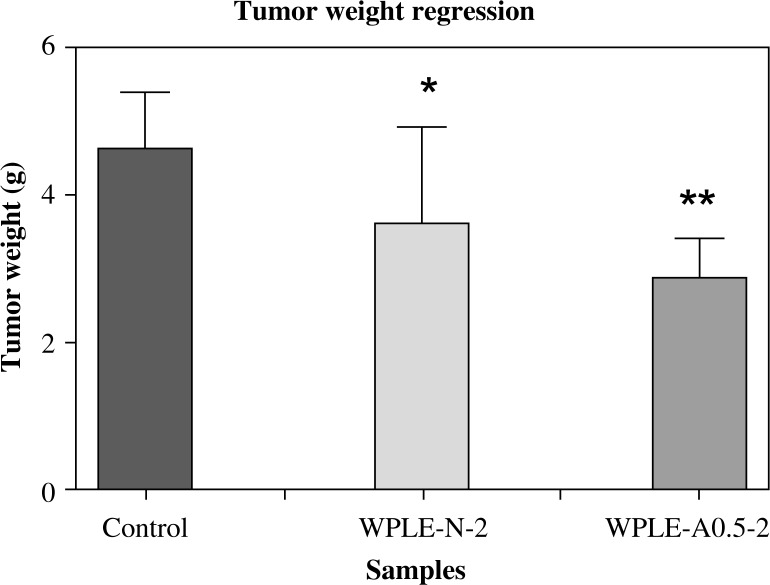
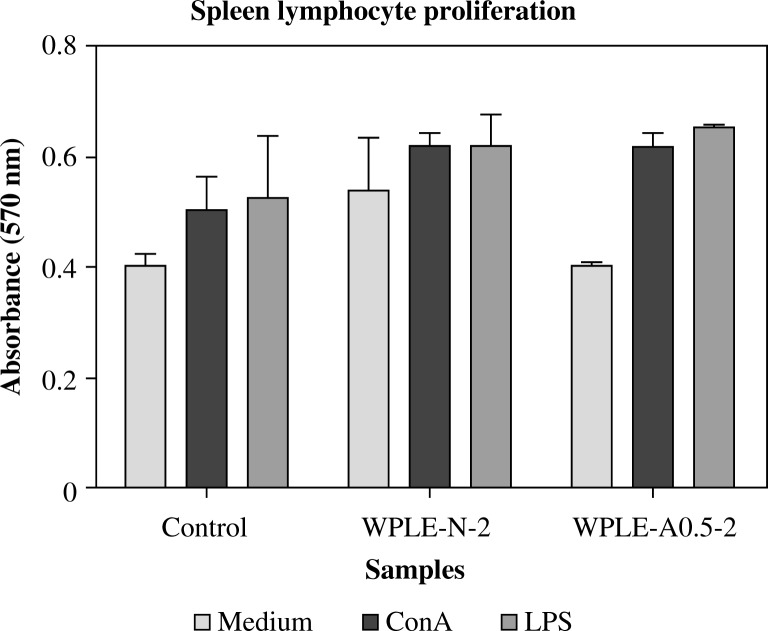
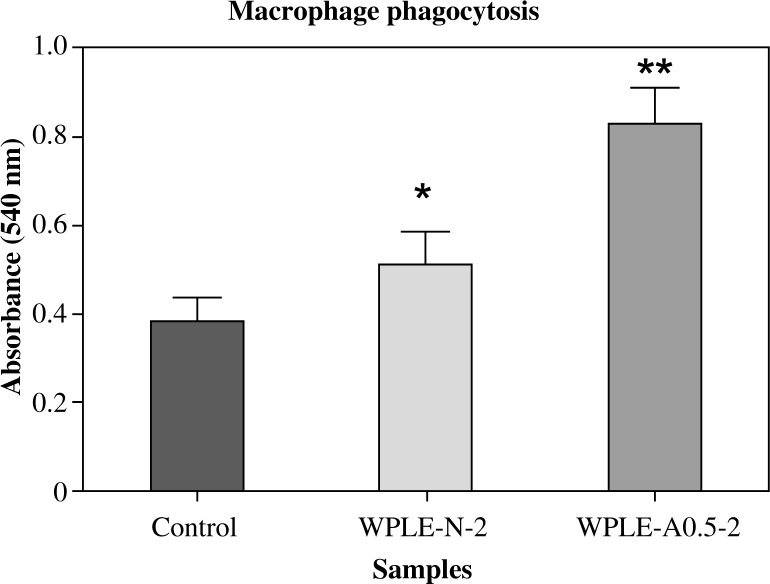
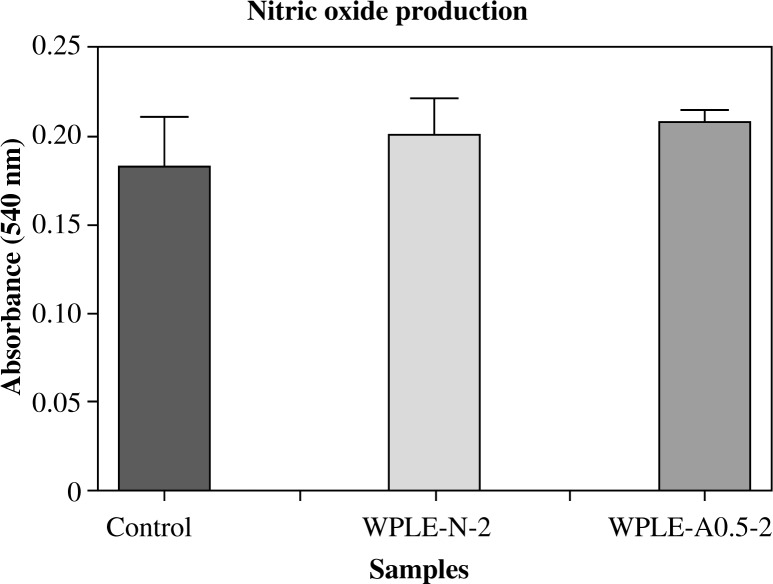
There is considerable interest in the potential of mushrooms in modulating the immune system and/or suppressing tumor growth. Among the studied bioactive compounds in mushrooms, polysaccharides are the most important. Nontoxic fungal polysaccharides have a more important role in immunomodulating and antitumor activities which are related to their effects to act of immune effecter cells such as lymphocytes, macrophages, dendritic cells, and natural killer cells involved in the innate and adaptive immunity. Two mannogalactoglucan-type polysaccharides (WPLE-N-2 and WPLE-A0.5-2), purified from the fruiting bodies of Lentinus edodes, were evaluated for their effects on the cellular immune response of Sarcoma 180 (S-180)-bearing mice. Mice were treated with 100 mg/kg body weight of the polysaccharides for 10 days. Significant tumor regressions of the polysaccharide groups' mice were observed compared to the control group. These polysaccharides could induce an increase in nitrite oxide (NO) production in peritoneal macrophages, significantly increase macrophage phagocytosis of tumor-bearing mice and augment concanavalin (ConA) and lipopolysaccharide (LPS)-induced splenocytes proliferation. Our results indicated that immunomodulating activity occurred through host mediation in response to lymphocyte proliferation, macrophage phagocytosis and induction of NO production while the antitumor activity occurred through direct cytotoxicity. Our findings suggest that mannogalactoglucan-type polysaccharides from L. edodes can be explored as novel potential immunostimulants. Our research provides essential data to a better understanding of L. edodes bioactive compounds, especially polysaccharides. Our results also confirm the key role of β-linkages in the antitumor and immunomodulating effects of polysaccharides.
人们对蘑菇在调节免疫系统和/或抑制肿瘤生长方面的潜力有着浓厚兴趣。在已研究的蘑菇生物活性化合物中,多糖是最重要的。无毒真菌多糖在免疫调节和抗肿瘤活性中发挥着更为重要的作用,这与其对参与固有免疫和适应性免疫的免疫效应细胞(如淋巴细胞、巨噬细胞、树突状细胞和自然杀伤细胞)的作用有关。从香菇子实体中纯化得到的两种甘露半乳葡聚糖型多糖(WPLE-N-2和WPLE-A0.5-2),对其在荷肉瘤180(S-180)小鼠细胞免疫反应中的作用进行了评估。小鼠以100mg/kg体重的多糖处理10天。与对照组相比,多糖组小鼠的肿瘤明显消退。这些多糖可诱导腹膜巨噬细胞中一氧化氮(NO)生成增加,显著提高荷瘤小鼠巨噬细胞的吞噬作用,并增强刀豆蛋白(ConA)和脂多糖(LPS)诱导的脾细胞增殖。我们的结果表明,免疫调节活性是通过宿主介导对淋巴细胞增殖、巨噬细胞吞噬作用和NO生成诱导的反应而发生的,而抗肿瘤活性则是通过直接细胞毒性发生的。我们的研究结果表明,香菇中的甘露半乳葡聚糖型多糖可作为新型潜在免疫刺激剂进行探索。我们的研究为更好地理解香菇生物活性化合物,特别是多糖提供了重要数据。我们的结果还证实了β-连接在多糖抗肿瘤和免疫调节作用中的关键作用。