Tellechea Ana, Leal Ermelindo C, Kafanas Antonios, Auster Michael E, Kuchibhotla Sarada, Ostrovsky Yana, Tecilazich Francesco, Baltzis Dimitrios, Zheng Yongjun, Carvalho Eugénia, Zabolotny Janice M, Weng Zuyi, Petra Anastasia, Patel Arti, Panagiotidou Smaro, Pradhan-Nabzdyk Leena, Theoharides Theoharis C, Veves Aristidis
Beth Israel Deaconess Medical Center, Harvard Medical School, Boston, MA Center for Neuroscience and Cell Biology, University of Coimbra, Coimbra, Portugal.
Beth Israel Deaconess Medical Center, Harvard Medical School, Boston, MA.
Diabetes. 2016 Jul;65(7):2006-19. doi: 10.2337/db15-0340. Epub 2016 Apr 8.
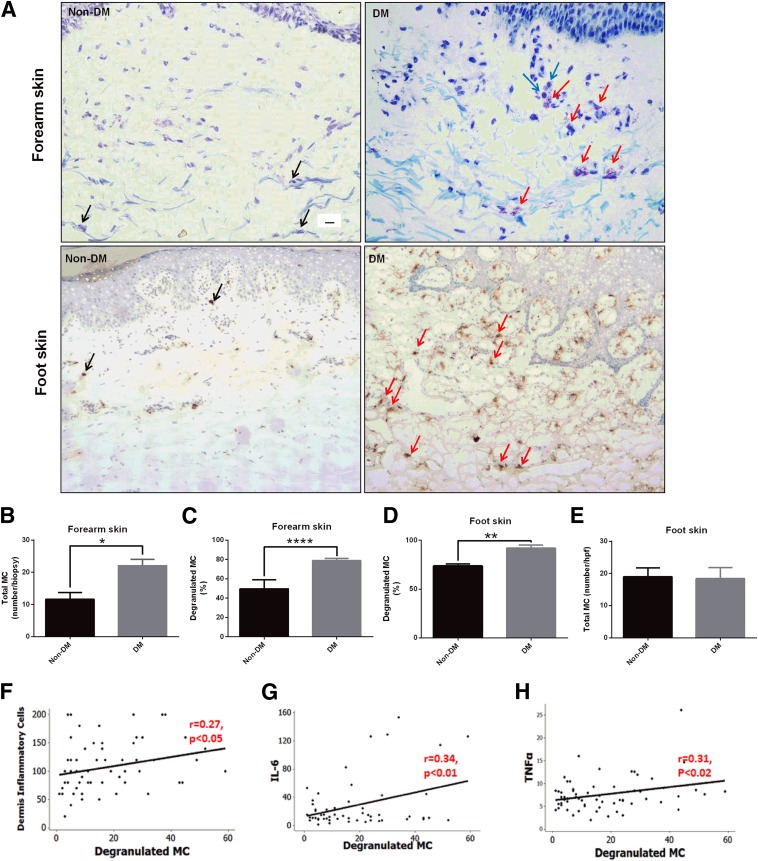
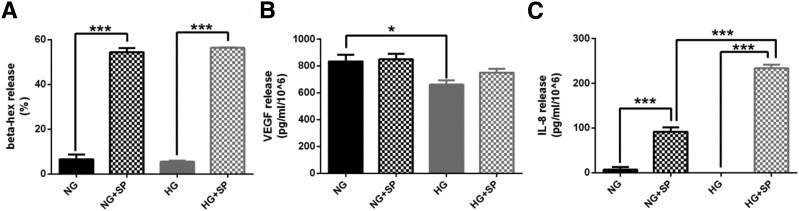
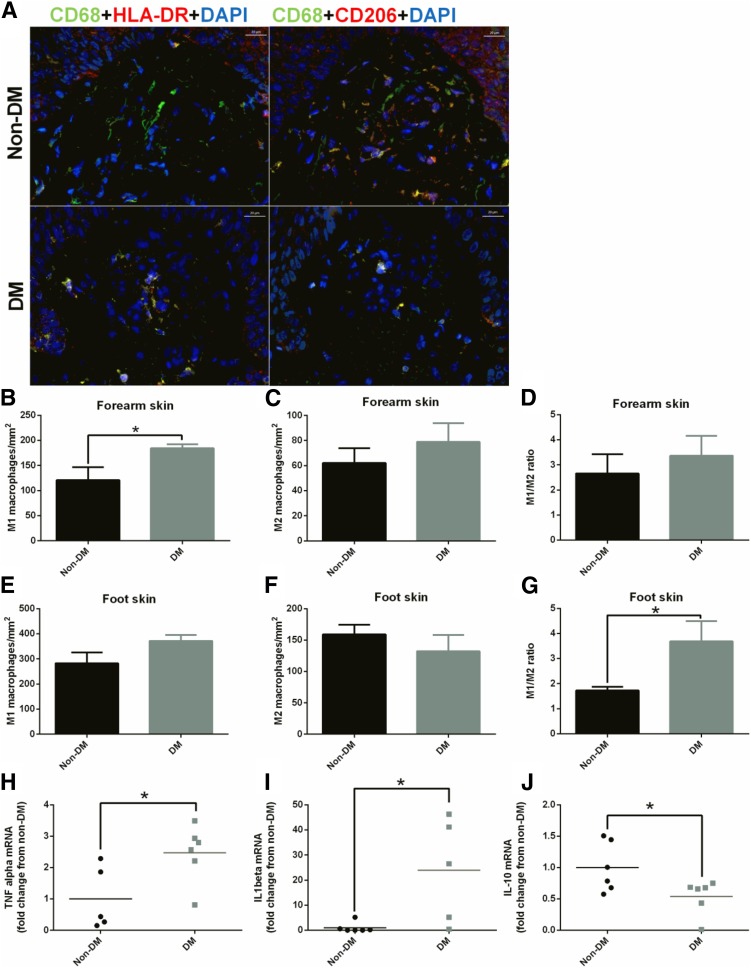
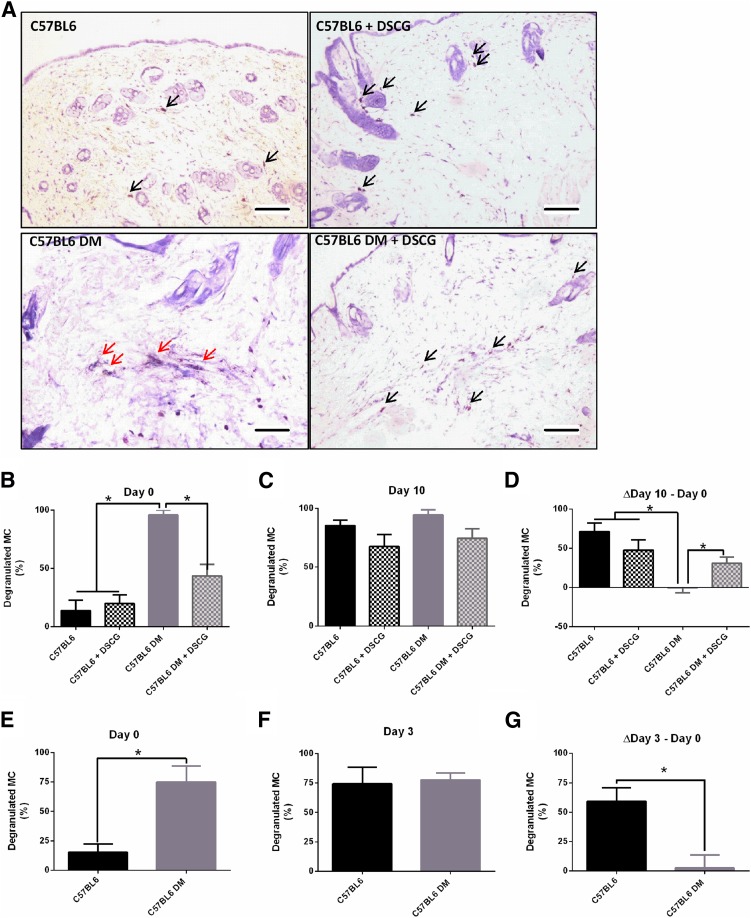
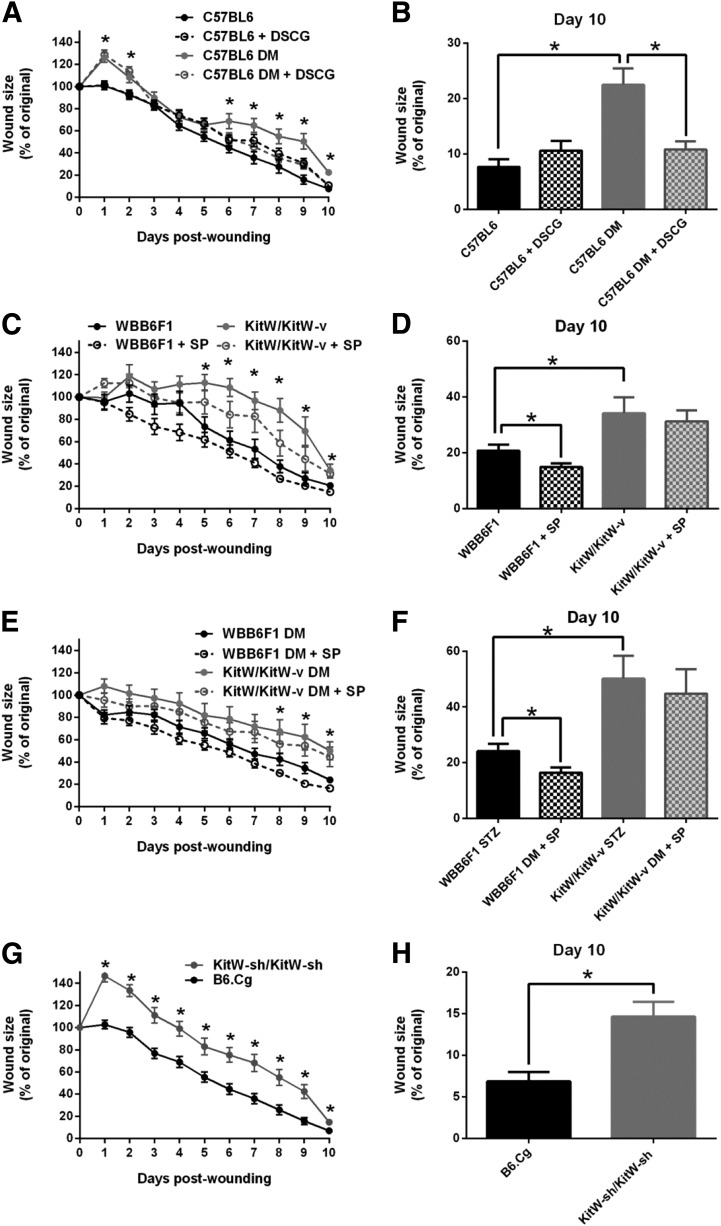
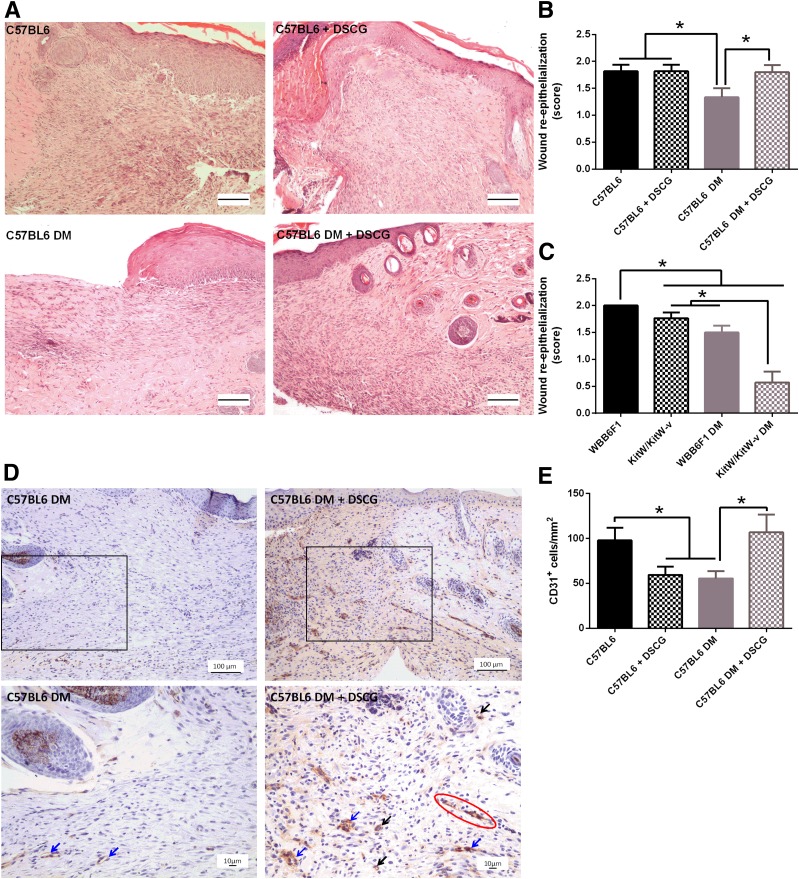
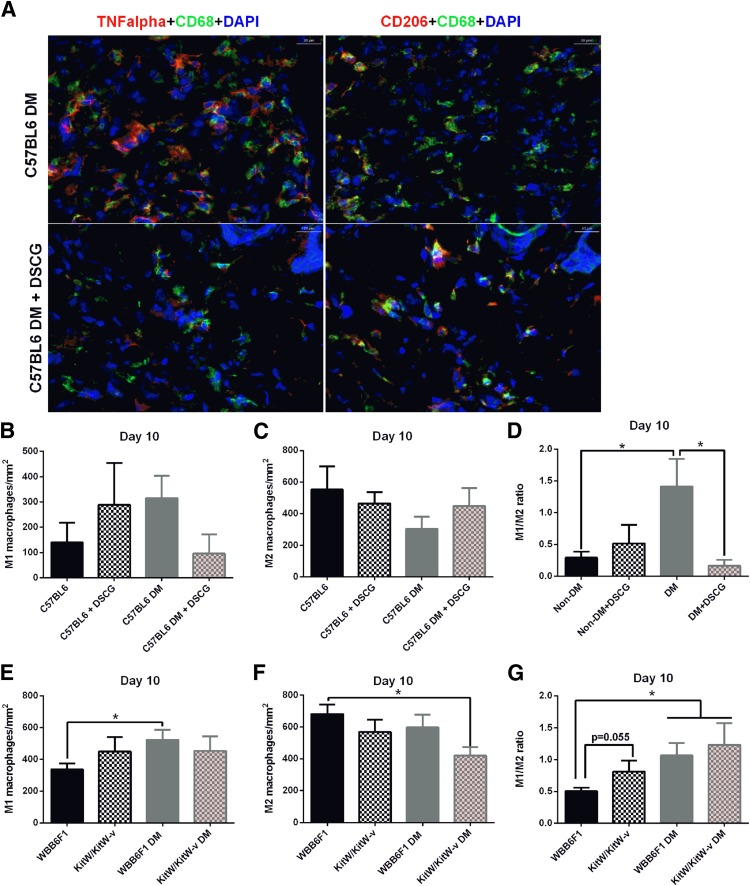
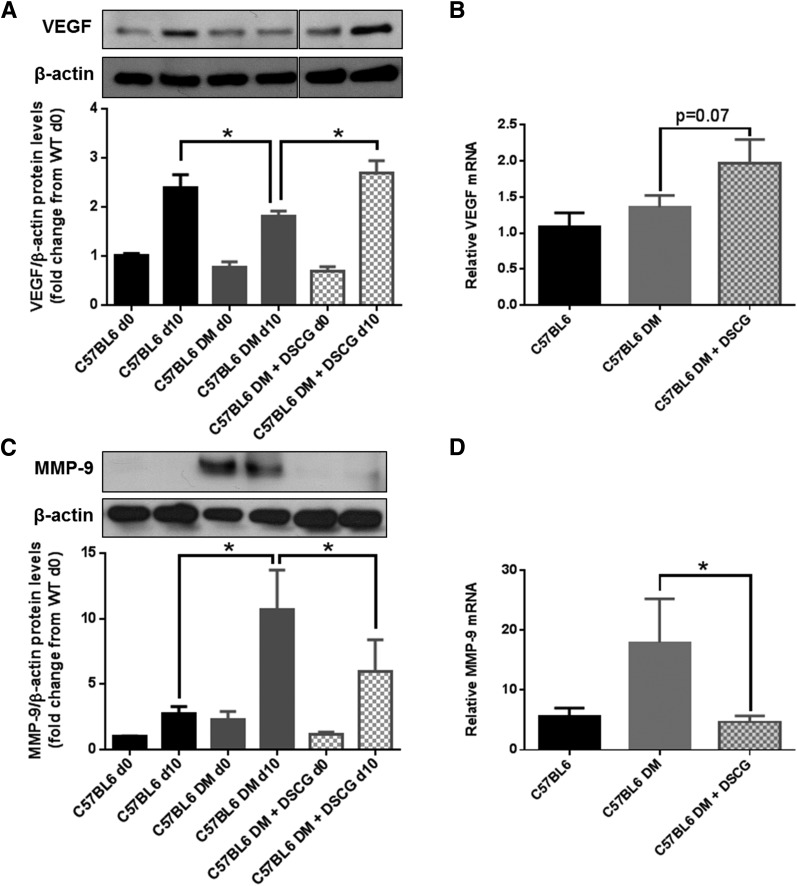
Diabetic foot ulceration is a severe complication of diabetes that lacks effective treatment. Mast cells (MCs) contribute to wound healing, but their role in diabetes skin complications is poorly understood. Here we show that the number of degranulated MCs is increased in unwounded forearm and foot skin of patients with diabetes and in unwounded dorsal skin of diabetic mice (P < 0.05). Conversely, postwounding MC degranulation increases in nondiabetic mice, but not in diabetic mice. Pretreatment with the MC degranulation inhibitor disodium cromoglycate rescues diabetes-associated wound-healing impairment in mice and shifts macrophages to the regenerative M2 phenotype (P < 0.05). Nevertheless, nondiabetic and diabetic mice deficient in MCs have delayed wound healing compared with their wild-type (WT) controls, implying that some MC mediator is needed for proper healing. MCs are a major source of vascular endothelial growth factor (VEGF) in mouse skin, but the level of VEGF is reduced in diabetic mouse skin, and its release from human MCs is reduced in hyperglycemic conditions. Topical treatment with the MC trigger substance P does not affect wound healing in MC-deficient mice, but improves it in WT mice. In conclusion, the presence of nondegranulated MCs in unwounded skin is required for proper wound healing, and therapies inhibiting MC degranulation could improve wound healing in diabetes.
糖尿病足溃疡是糖尿病的一种严重并发症,目前缺乏有效的治疗方法。肥大细胞(MCs)有助于伤口愈合,但其在糖尿病皮肤并发症中的作用尚不清楚。在这里,我们发现糖尿病患者未受伤的前臂和足部皮肤以及糖尿病小鼠未受伤的背部皮肤中脱颗粒肥大细胞的数量增加(P < 0.05)。相反,在非糖尿病小鼠中,受伤后肥大细胞脱颗粒增加,但在糖尿病小鼠中则不然。用肥大细胞脱颗粒抑制剂色甘酸钠预处理可挽救小鼠与糖尿病相关的伤口愈合障碍,并使巨噬细胞转变为再生性M2表型(P < 0.05)。然而,与野生型(WT)对照相比,缺乏肥大细胞的非糖尿病和糖尿病小鼠伤口愈合延迟,这意味着适当的愈合需要一些肥大细胞介质。肥大细胞是小鼠皮肤中血管内皮生长因子(VEGF)的主要来源,但糖尿病小鼠皮肤中VEGF水平降低,在高血糖条件下其从人肥大细胞中的释放也减少。用肥大细胞触发物质P进行局部治疗对缺乏肥大细胞的小鼠伤口愈合没有影响,但在野生型小鼠中可改善伤口愈合。总之,未受伤皮肤中存在未脱颗粒的肥大细胞是伤口正常愈合所必需的,抑制肥大细胞脱颗粒的疗法可能会改善糖尿病患者的伤口愈合。