Sautereau Nolwenn, Daumas Aurélie, Truillet Romain, Jouve Elisabeth, Magalon Jéremy, Veran Julie, Casanova Dominique, Frances Yves, Magalon Guy, Granel Brigitte
Internal Medicine Department, Assistance Publique Hôpitaux de Marseilles (AP-HM), Aix-Marseilles University, Marseilles, France; CIC-CPCET, Service de Pharmacologie, Assistance Publique Hôpitaux de Marseilles (AP-HM), Aix-Marseilles University, Marseilles, France; Culture and Cell Therapy Laboratory, INSERM CBT-510, Assistance Publique Hôpitaux de Marseilles (AP-HM), Aix-Marseilles University, Marseilles, France; Plastic Surgery Department, Assistance Publique Hôpitaux de Marseilles (AP-HM), Aix-Marseilles University, Marseilles, France; and Vascular Research Center Marseille, INSERM UMRS-1076, Aix-Marseilles University, Marseilles, France.
Plast Reconstr Surg Glob Open. 2016 Mar 22;4(3):e660. doi: 10.1097/GOX.0000000000000621. eCollection 2016 Mar.
Autologous adipose tissue injection is used in plastic surgery for correction of localized tissue atrophy and has also been successfully offered for treatment of localized scleroderma. We aimed to evaluate whether patients with systemic sclerosis (SSc) and facial handicap could also benefit from this therapy.
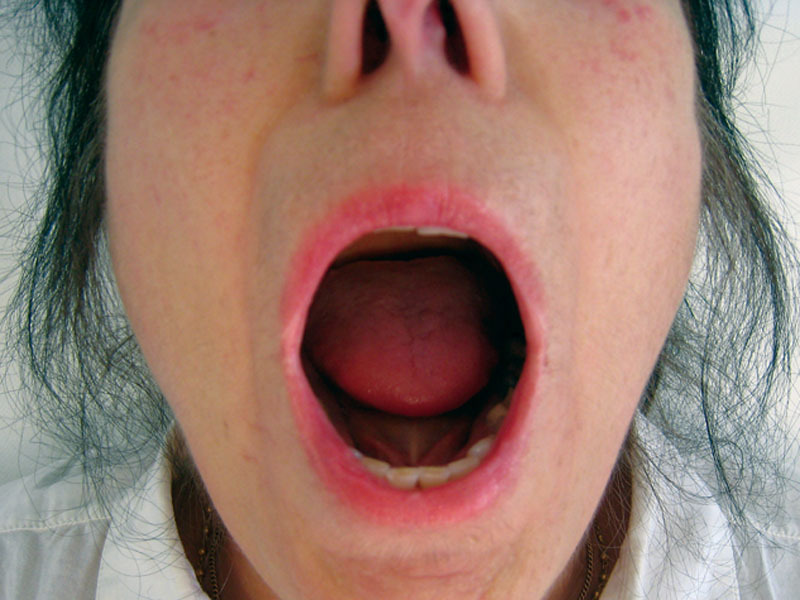
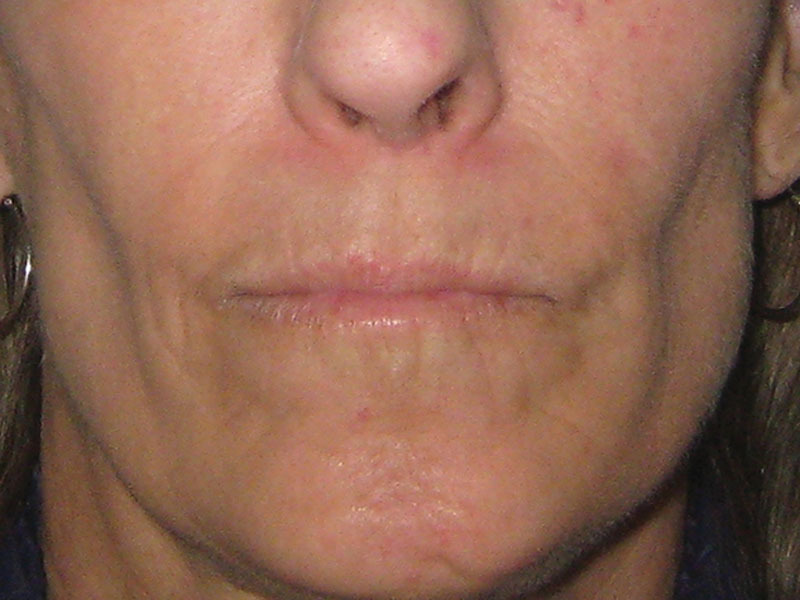
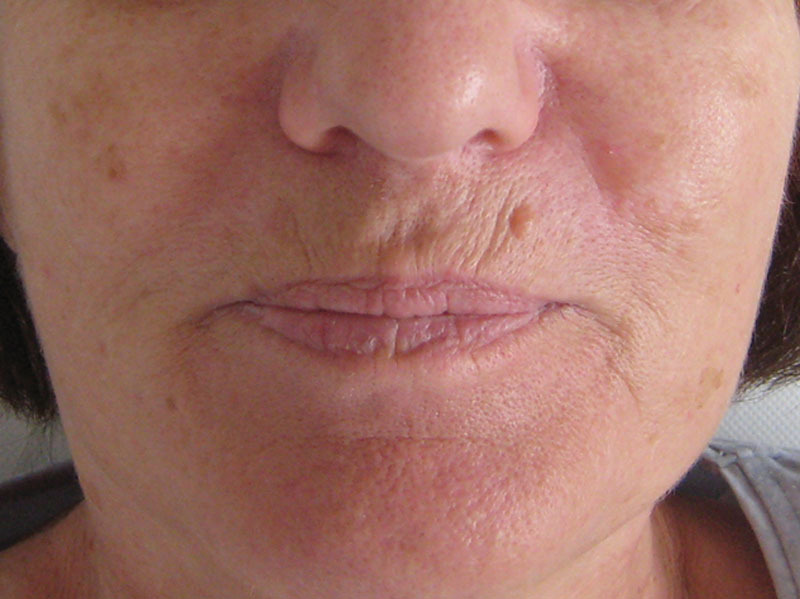
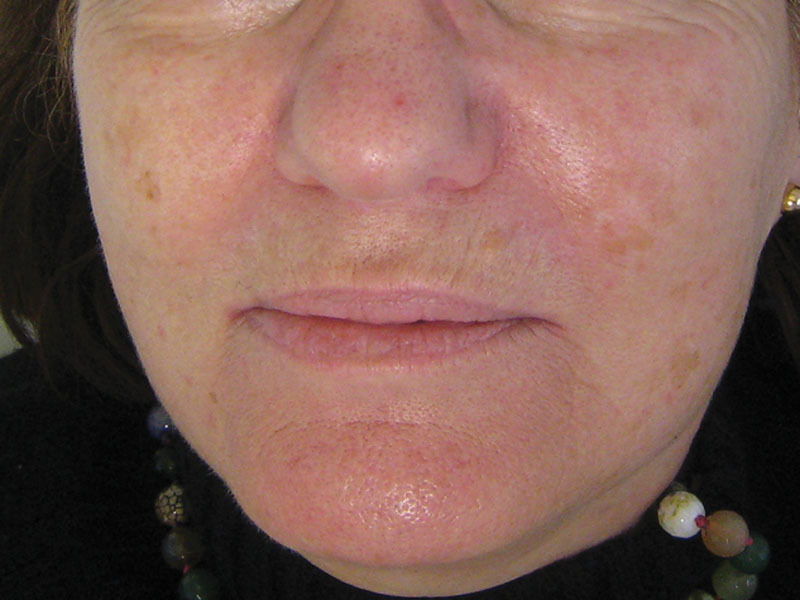
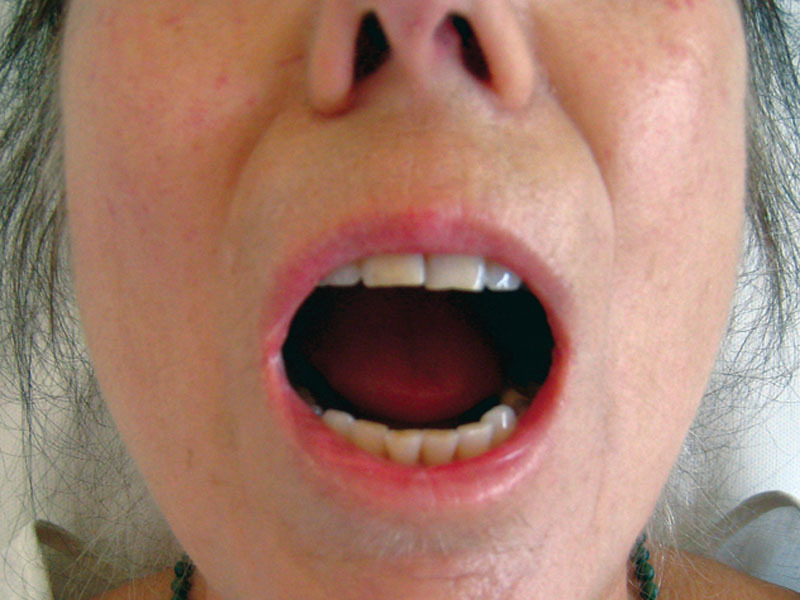
We included 14 patients (mean age of 53.8 ± 9.6 years) suffering from SSc with facial handicap defined by Mouth Handicap in Systemic Sclerosis Scale (MHISS) score more than or equal to 20, a Rodnan skin score on the face more than or equal to 1, and maximal mouth opening of less than 55 mm. Autologous adipose tissue injection was performed under local anesthesia using the technique of subcutaneous microinjection. The main objective of this study was an improvement of the MHISS score 6 months after the surgical treatment.
The procedure was well tolerated. We observed a mean decrease in the MHISS score of 10.7 points (±5.1; P < 0.0001) at 6 months (35% improvement). Secondary efficacy parameters assessing perioral skin sclerosis, maximum mouth opening, sicca syndrome, and facial pain significantly improved at 3 and 6 months postsurgery. At a 6-month follow-up, 75% of patients were satisfied or very satisfied of the adipose tissue microinjection therapy.
Our study suggests that subcutaneous perioral microfat injection in patients with SSc is beneficial in the treatment of facial handicap, skin sclerosis, mouth opening limitation, sicca syndrome, and facial pain. Thus, this minimally invasive approach offers a new hope for face therapy for patients with SSc.
自体脂肪组织注射已用于整形外科以纠正局部组织萎缩,并且也已成功用于治疗局限性硬皮病。我们旨在评估系统性硬化症(SSc)和面部功能障碍患者是否也能从这种治疗中获益。
我们纳入了14例患者(平均年龄53.8±9.6岁),这些患者患有SSc且存在面部功能障碍,其系统性硬化症口腔功能障碍量表(MHISS)评分大于或等于20,面部罗德南皮肤评分大于或等于1,最大张口度小于55毫米。采用皮下微量注射技术在局部麻醉下进行自体脂肪组织注射。本研究的主要目的是手术治疗6个月后MHISS评分得到改善。
该手术耐受性良好。我们观察到6个月时MHISS评分平均下降10.7分(±5.1;P<0.0001)(改善35%)。评估口周皮肤硬化、最大张口度、干燥综合征和面部疼痛的次要疗效参数在术后3个月和6个月时显著改善。在6个月的随访中,75%的患者对脂肪组织微量注射治疗感到满意或非常满意。
我们的研究表明,对SSc患者进行口周皮下微量脂肪注射对面部功能障碍、皮肤硬化、张口受限、干燥综合征和面部疼痛的治疗有益。因此,这种微创方法为SSc患者的面部治疗带来了新希望。