Huang Xiaodong, Yakob Laith, Devine Gregor, Frentiu Francesca D, Fu Shiu-Yun, Hu Wenbiao
School of Public Health and Social Work, Institute of Health and Biomedical Innovation, Queensland University of Technology, Brisbane, Queensland, Australia.
Department of Disease Control, London School of Hygiene and Tropical Medicine, London WC1E 7HT, UK.
Sci Rep. 2016 Jul 27;6:30360. doi: 10.1038/srep30360.
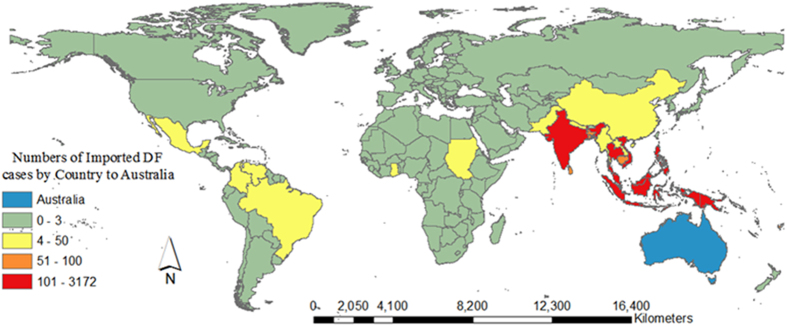
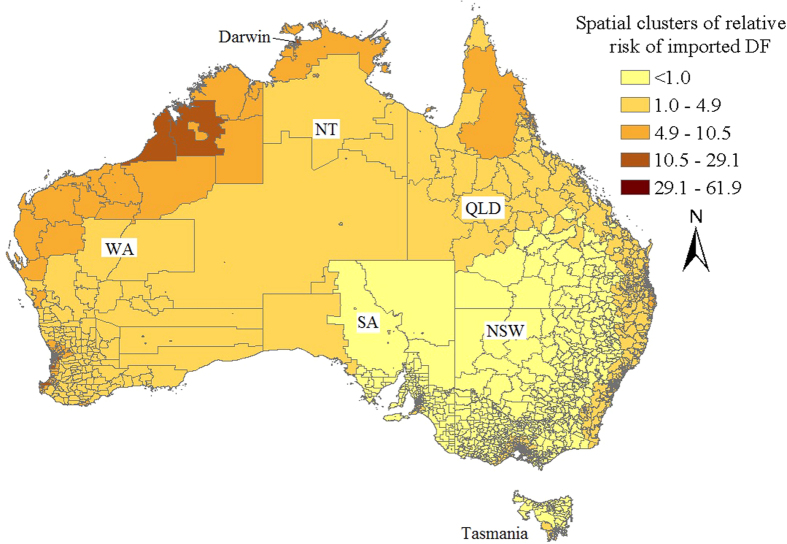
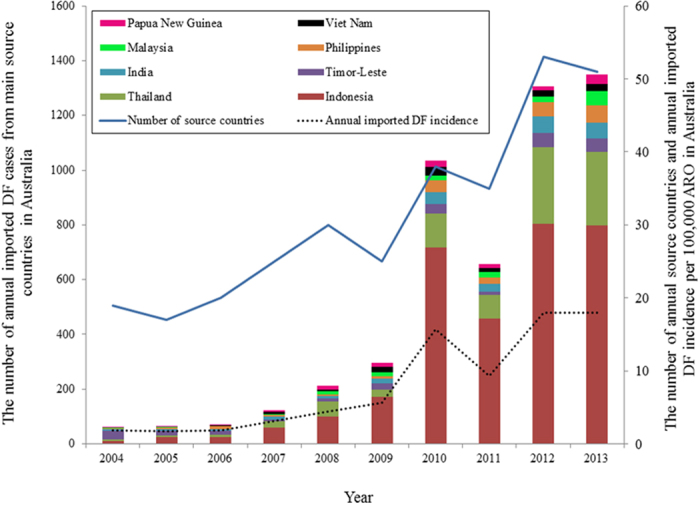
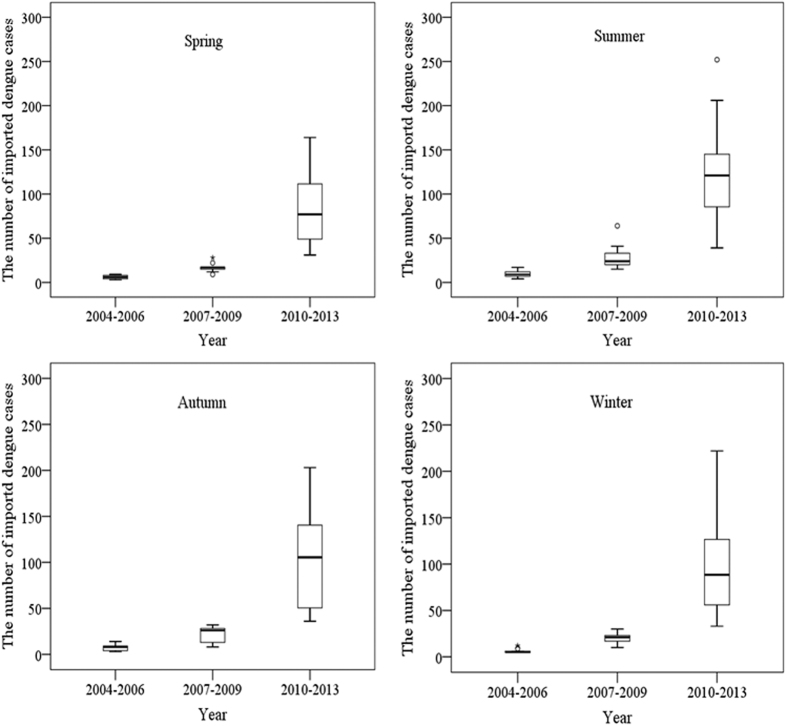
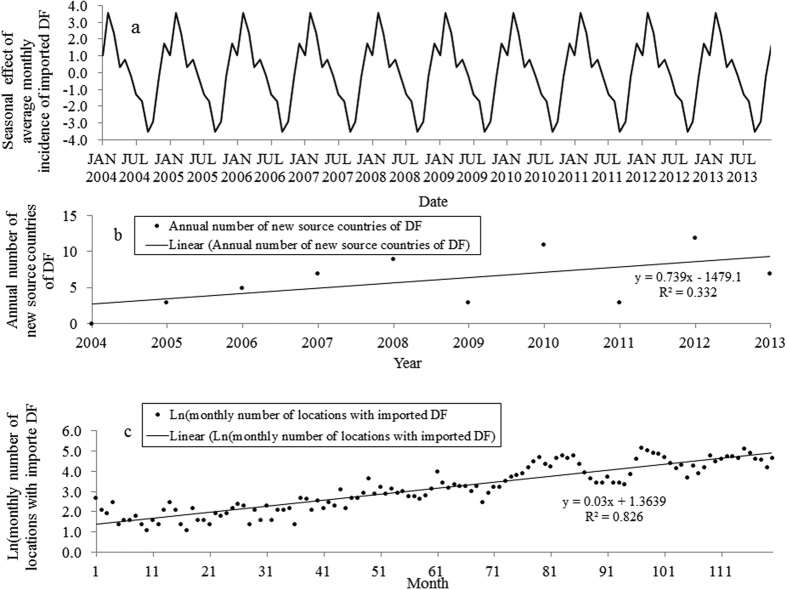
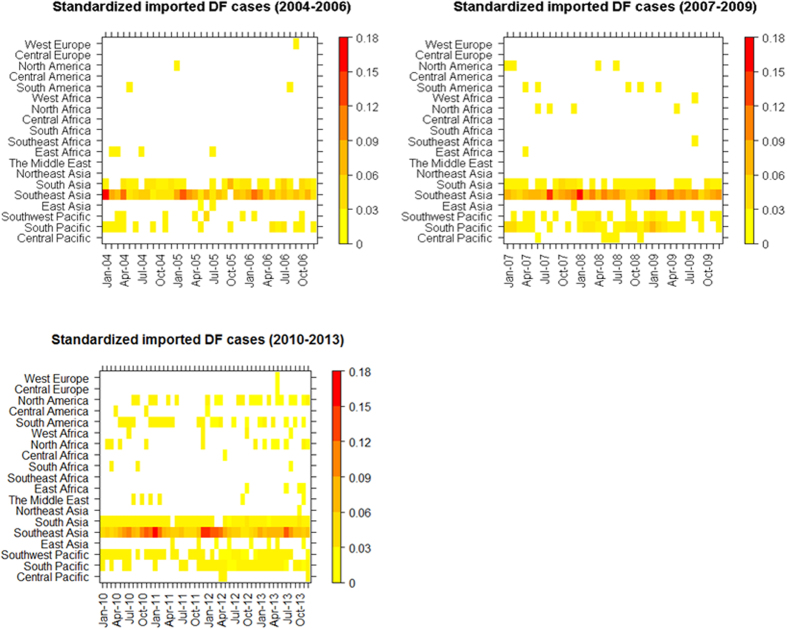
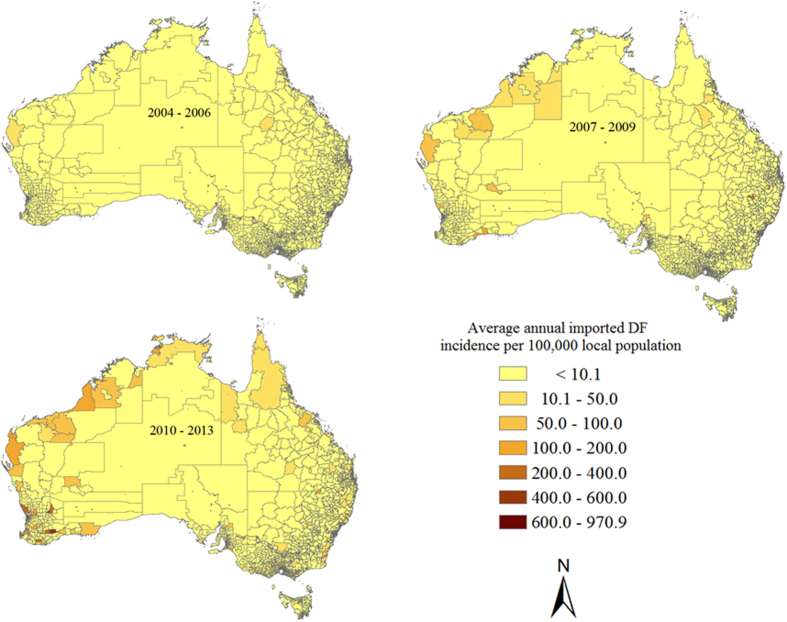
Dengue fever (DF) epidemics in Australia are caused by infected international travellers and confined to Northern Queensland where competent vectors exist. Recent analyses suggest that global trade and climate change could lead to the re-establishment of Ae. aegypti across the country and promote the spread of dengue nationally. This study aimed to describe the dynamic spatiotemporal trends of imported DF cases and their origins, identify the current and potential future high-risk regions and locate areas that might be at particular risk of dengue transmission should competent mosquito vectors expand their range. Our results showed that the geographical distribution of imported DF cases has significantly expanded in mainland Australia over the past decade. In recent years, the geographical distribution of source countries of DF has expanded from the Pacific region and Asia to include Africa and the Americas. Australia is now exposed to dengue importations from all of the regions involved in the current global pandemic. The public health implications of a range expansion of dengue mosquito vectors are severe. Enhanced mosquito surveillance in those areas that have high imported cases is called for to reduce emerging threats from this globally expanding pathogen.
澳大利亚的登革热疫情由受感染的国际旅行者引起,且仅限于存在有效病媒的昆士兰州北部。近期分析表明,全球贸易和气候变化可能导致埃及伊蚊在全国重新出现,并促使登革热在全国范围内传播。本研究旨在描述输入性登革热病例的动态时空趋势及其来源,确定当前和未来潜在的高风险地区,并找出在有效蚊虫病媒扩大其分布范围时可能面临登革热传播特别风险的区域。我们的结果表明,在过去十年中,澳大利亚大陆输入性登革热病例的地理分布显著扩大。近年来,登革热来源国的地理分布已从太平洋地区和亚洲扩大到包括非洲和美洲。澳大利亚现在面临着来自当前全球疫情涉及的所有地区的登革热输入风险。登革热蚊虫病媒分布范围扩大对公共卫生的影响极为严重。需要加强对输入病例高发地区的蚊虫监测,以减少这种全球传播病原体带来的新威胁。