Dell'Isola A, Allan R, Smith S L, Marreiros S S P, Steultjens M
Institute of Applied Health Research/School of Health and Life Sciences, Glasgow Caledonian University, Glasgow, G4 0BA, Scotland, UK.
BMC Musculoskelet Disord. 2016 Oct 12;17(1):425. doi: 10.1186/s12891-016-1286-2.
Knee Osteoarthritis (KOA) is a heterogeneous pathology characterized by a complex and multifactorial nature. It has been hypothesised that these differences are due to the existence of underlying phenotypes representing different mechanisms of the disease.
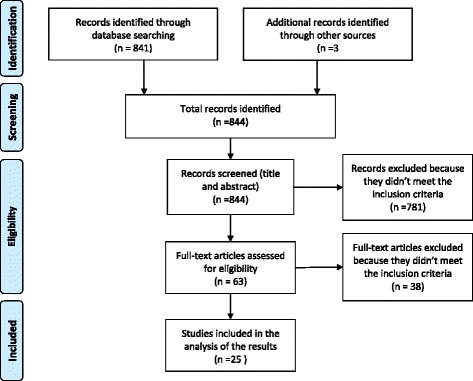
The aim of this study is to identify the current evidence for the existence of groups of variables which point towards the existence of distinct clinical phenotypes in the KOA population. A systematic literature search in PubMed was conducted. Only original articles were selected if they aimed to identify phenotypes of patients aged 18 years or older with KOA. The methodological quality of the studies was independently assessed by two reviewers and qualitative synthesis of the evidence was performed. Strong evidence for existence of specific phenotypes was considered present if the phenotype was supported by at least two high-quality studies.
A total of 24 studies were included. Through qualitative synthesis of evidence, six main sets of variables proposing the existence of six phenotypes were identified: 1) chronic pain in which central mechanisms (e.g. central sensitisation) are prominent; 2) inflammatory (high levels of inflammatory biomarkers); 3) metabolic syndrome (high prevalence of obesity, diabetes and other metabolic disturbances); 4) Bone and cartilage metabolism (alteration in local tissue metabolism); 5) mechanical overload characterised primarily by varus malalignment and medial compartment disease; and 6) minimal joint disease characterised as minor clinical symptoms with slow progression over time.
This study identified six distinct groups of variables which should be explored in attempts to better define clinical phenotypes in the KOA population.
膝关节骨关节炎(KOA)是一种具有复杂多因素性质的异质性病理状况。据推测,这些差异是由于存在代表该疾病不同机制的潜在表型。
本研究的目的是确定当前证据,以证明存在指向KOA人群中不同临床表型的变量组。在PubMed中进行了系统的文献检索。仅选择旨在确定18岁及以上KOA患者表型的原创文章。两位评审员独立评估研究的方法学质量,并对证据进行定性综合。如果该表型得到至少两项高质量研究的支持,则认为存在特定表型的有力证据。
共纳入24项研究。通过对证据的定性综合,确定了六组主要变量,提示存在六种表型:1)以中枢机制(如中枢敏化)为主的慢性疼痛;2)炎症性(炎症生物标志物水平高);3)代谢综合征(肥胖、糖尿病和其他代谢紊乱的高患病率);4)骨与软骨代谢(局部组织代谢改变);5)主要以膝内翻畸形和内侧间室疾病为特征的机械性过载;6)以轻微临床症状和随时间缓慢进展为特征的轻度关节疾病。
本研究确定了六组不同的变量,在试图更好地定义KOA人群的临床表型时应探索这些变量。