Islam Shanta, Shajib Md Shafiullah, Ahmed Tajnin
Department of Pharmacy, Stamford University Bangladesh, 51 Siddeswari Road, 1217, Dhaka, Bangladesh.
BMC Complement Altern Med. 2016 Oct 22;16(1):400. doi: 10.1186/s12906-016-1393-5.
Celosia cristata Linn. (Amaranthaceae) is used in traditional medicine for the treatment of headache, sores, ulcers, eye inflammations, skin eruption, painful menstruation and carpal tunnel syndrome. This study was performed to evaluate the antinociceptive activity of methanol extract of the whole plant of C. cristata (MECC).
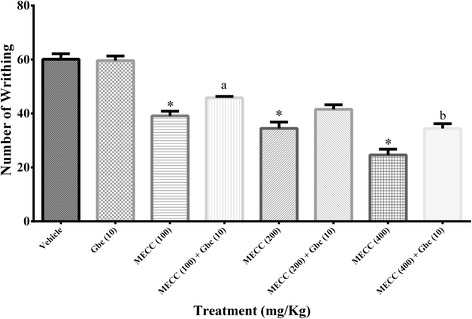
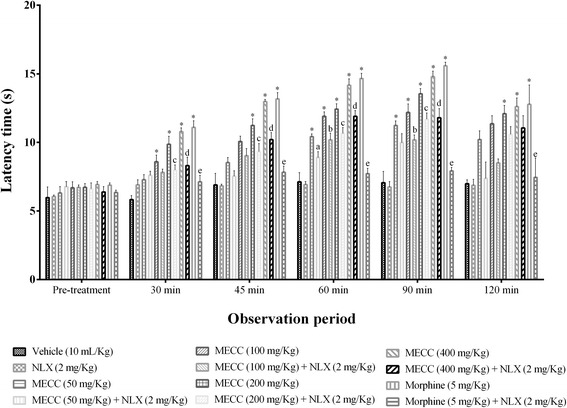
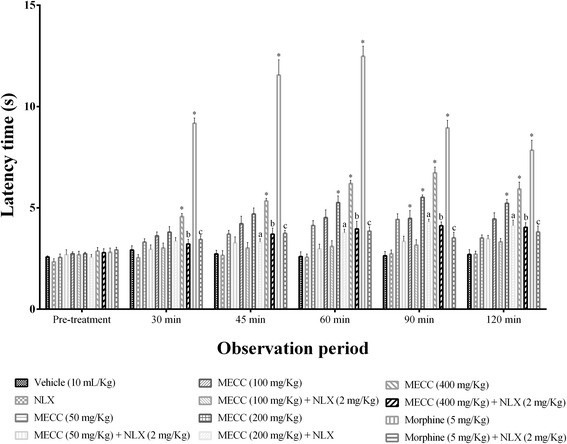
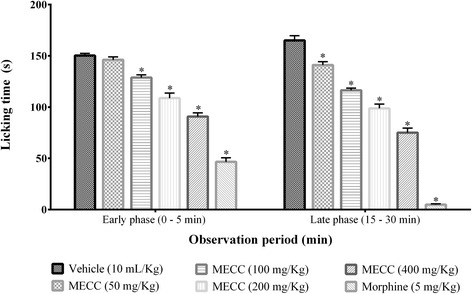
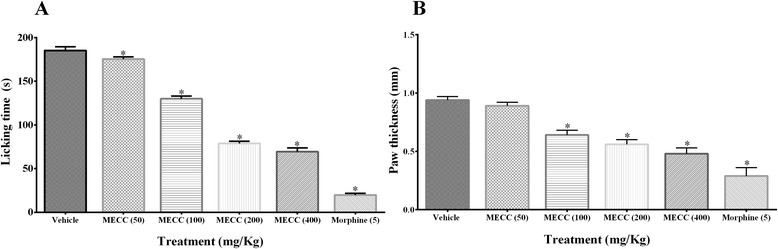
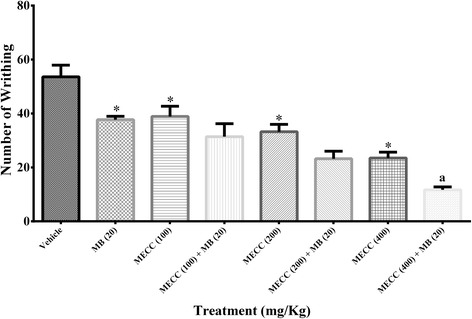
The evaluation of the antinociceptive effect of MECC was performed using thermal (hot plate, tail immersion test) and chemical (acetic acid, formalin, and glutamate-induced nociception test) pain models in mice at four different doses (50, 100, 200, 400 mg/kg; p.o.). Involvement of opioid receptors mediated central antinociceptive mechanism of MECC was evaluated using naloxone. Furthermore, the association of ATP-sensitive K channel and cGMP pathway were evaluated using glibenclamide and methylene blue respectively.
Oral treatment of MECC produced significant, strong and dose-dependent central and peripheral antinociceptive effect in experimental pain models. MECC significantly increased the latency time of thermal threshold in both hot plate and tail immersion test. The inhibition of writhing syndrome by the extract in the acetic acid-induced writhing test was remarkable. MECC significantly reduced the formalin-induced neurogenic and inflammatory pain. In addition, the inhibition of glutamate-induced paw licking and edema by MECC was significant. The antinociceptive effect was significantly reversed by naloxone and glibenclamide, suggesting the association of opioid and ATP-sensitive K channel system respectively. In addition, MECC also demonstrated the involvement of cGMP pathway in the antinociceptive action.
The study suggests that C. cristata possess significant antinociceptive effect which is associated with both central and peripheral mechanisms and provides a rationale for its extensive use at different painful conditions in traditional medicine.
鸡冠花(苋科)在传统医学中用于治疗头痛、疮疡、溃疡、眼部炎症、皮疹、痛经和腕管综合征。本研究旨在评估鸡冠花全株甲醇提取物(MECC)的抗伤害感受活性。
采用热刺激(热板法、尾部浸入试验)和化学刺激(醋酸、福尔马林和谷氨酸诱导的伤害感受试验)疼痛模型,以四种不同剂量(50、100、200、400mg/kg;口服)对小鼠进行MECC抗伤害感受作用的评估。使用纳洛酮评估阿片受体介导的MECC中枢抗伤害感受机制的参与情况。此外,分别使用格列本脲和亚甲蓝评估ATP敏感性钾通道和cGMP途径的关联。
口服MECC在实验性疼痛模型中产生了显著、强烈且剂量依赖性的中枢和外周抗伤害感受作用。MECC在热板法和尾部浸入试验中均显著增加了热阈值的潜伏期。该提取物在醋酸诱导的扭体试验中对扭体综合征的抑制作用显著。MECC显著减轻了福尔马林诱导的神经源性和炎症性疼痛。此外,MECC对谷氨酸诱导的舔足和水肿的抑制作用显著。纳洛酮和格列本脲显著逆转了抗伤害感受作用,分别提示阿片和ATP敏感性钾通道系统的关联。此外,MECC还证明了cGMP途径参与抗伤害感受作用。
该研究表明鸡冠花具有显著的抗伤害感受作用,其与中枢和外周机制均相关,并为其在传统医学中用于不同疼痛状况的广泛应用提供了理论依据。