Dietzgen Ralf G, Kondo Hideki, Goodin Michael M, Kurath Gael, Vasilakis Nikos
Queensland Alliance for Agriculture and Food Innovation, The University of Queensland, St. Lucia, Queensland 4072, Australia.
Institute of Plant Science and Resources, Okayama University, Kurashiki, 710-0046, Japan.
Virus Res. 2017 Jan 2;227:158-170. doi: 10.1016/j.virusres.2016.10.010. Epub 2016 Oct 20.
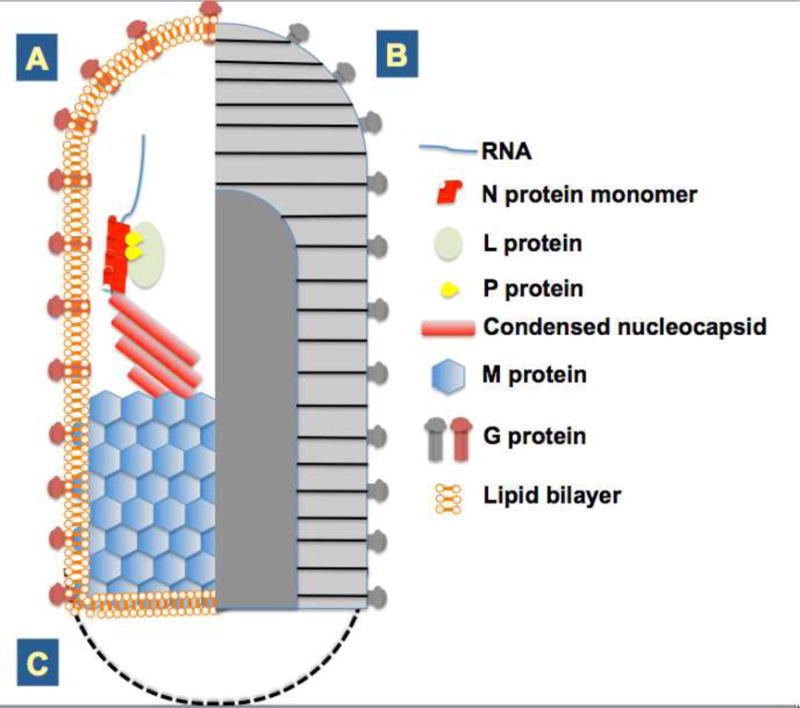
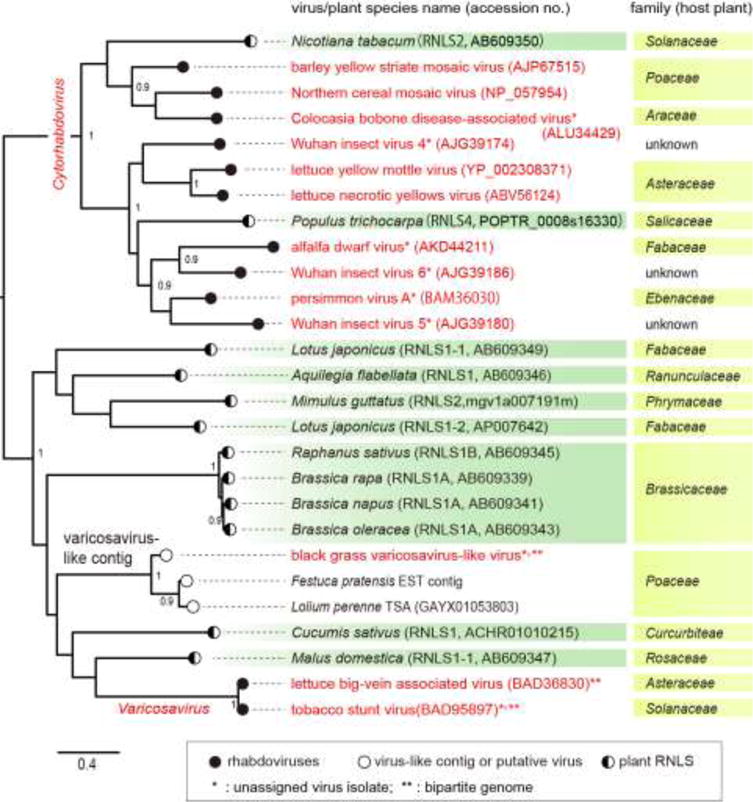
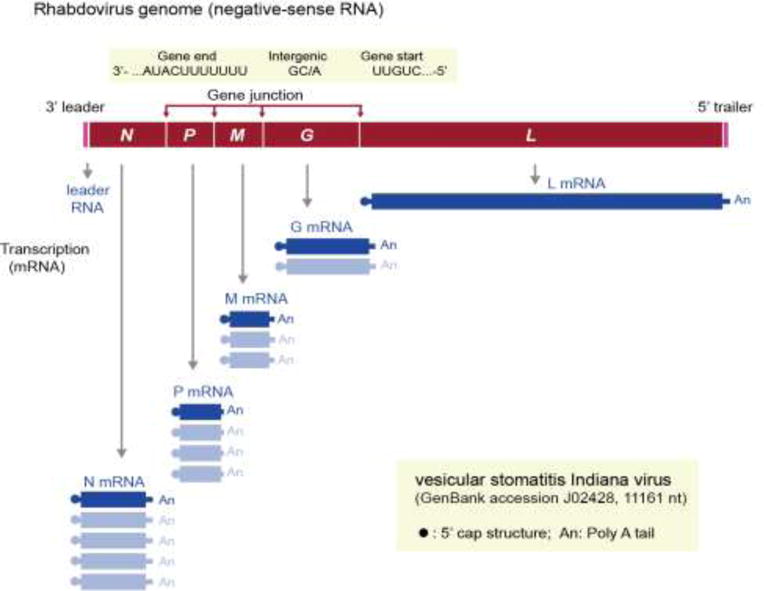
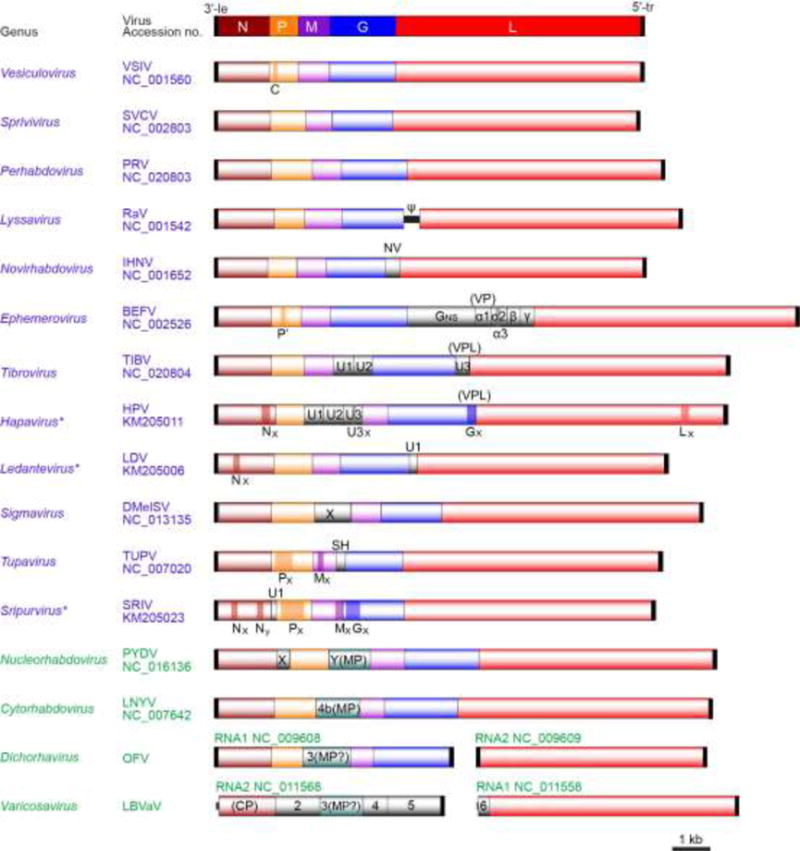
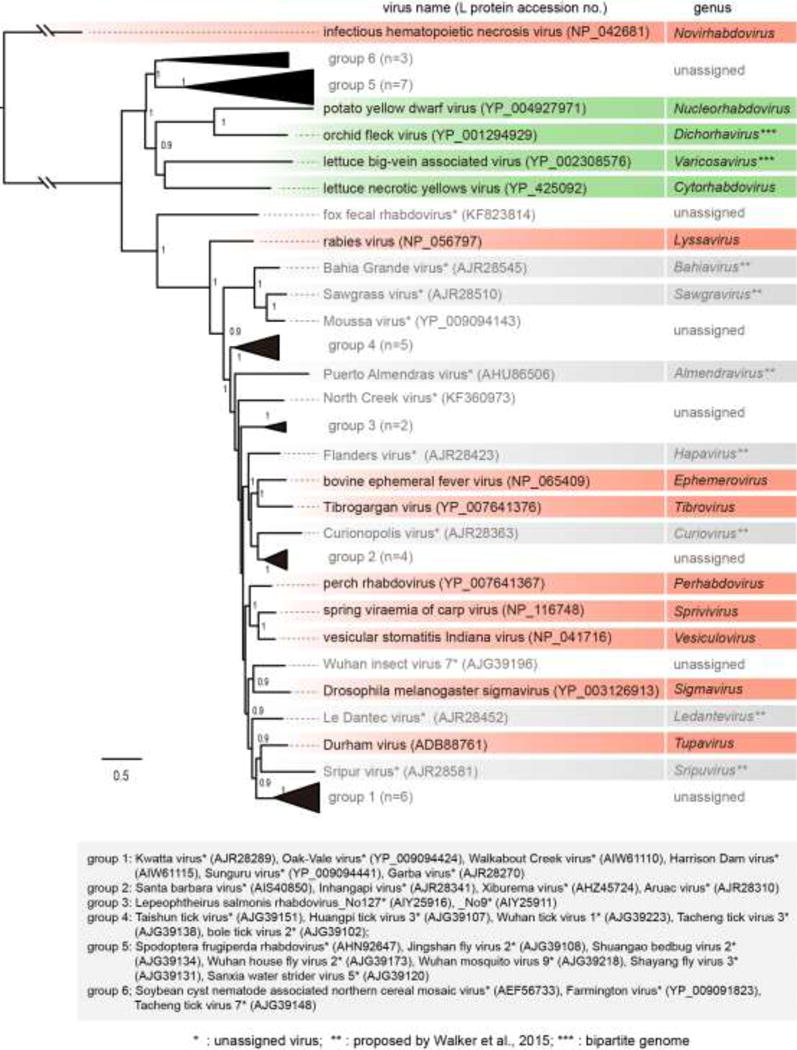
The family Rhabdoviridae consists of mostly enveloped, bullet-shaped or bacilliform viruses with a negative-sense, single-stranded RNA genome that infect vertebrates, invertebrates or plants. This ecological diversity is reflected by the diversity and complexity of their genomes. Five canonical structural protein genes are conserved in all rhabdoviruses, but may be overprinted, overlapped or interspersed with several novel and diverse accessory genes. This review gives an overview of the characteristics and diversity of rhabdoviruses, their taxonomic classification, replication mechanism, properties of classical rhabdoviruses such as rabies virus and rhabdoviruses with complex genomes, rhabdoviruses infecting aquatic species, and plant rhabdoviruses with both mono- and bipartite genomes.
弹状病毒科主要由具有包膜的子弹状或杆状病毒组成,其基因组为负义单链RNA,可感染脊椎动物、无脊椎动物或植物。这种生态多样性反映在其基因组的多样性和复杂性上。所有弹状病毒都有五个保守的典型结构蛋白基因,但可能会被一些新的、多样的辅助基因覆盖、重叠或穿插。本文综述了弹状病毒的特征和多样性、分类学、复制机制、经典弹状病毒(如狂犬病病毒)以及具有复杂基因组的弹状病毒的特性、感染水生物种的弹状病毒和具有单分体及双分体基因组的植物弹状病毒。