Steiner Markus, Huber Sara, Harrer Andrea, Himly Martin
Division of Allergy & Immunology, Department of Molecular Biology, University of Salzburg, Salzburg, Austria; Laboratory for Immunological & Molecular Cancer Research, Paracelsus Medical University, Salzburg, Austria.
Division of Allergy & Immunology, Department of Molecular Biology, University of Salzburg, Salzburg, Austria.
Biomed Res Int. 2016;2016:8232830. doi: 10.1155/2016/8232830. Epub 2016 Dec 19.
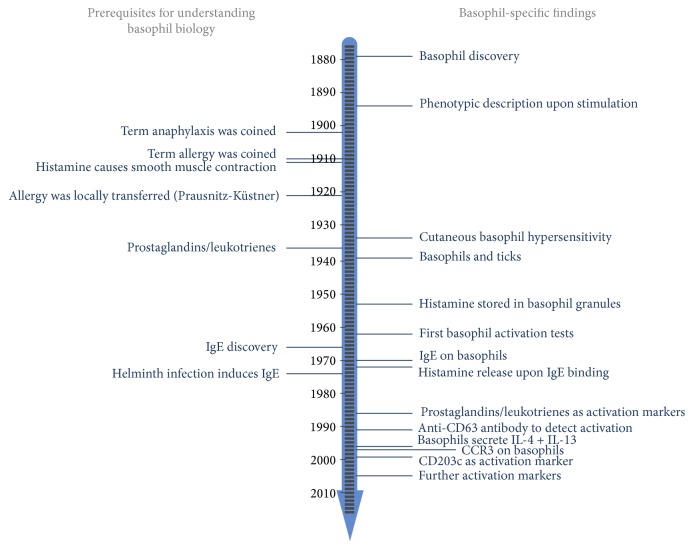
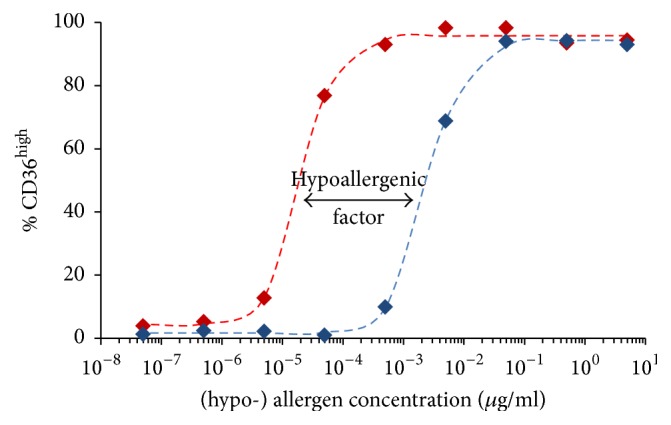
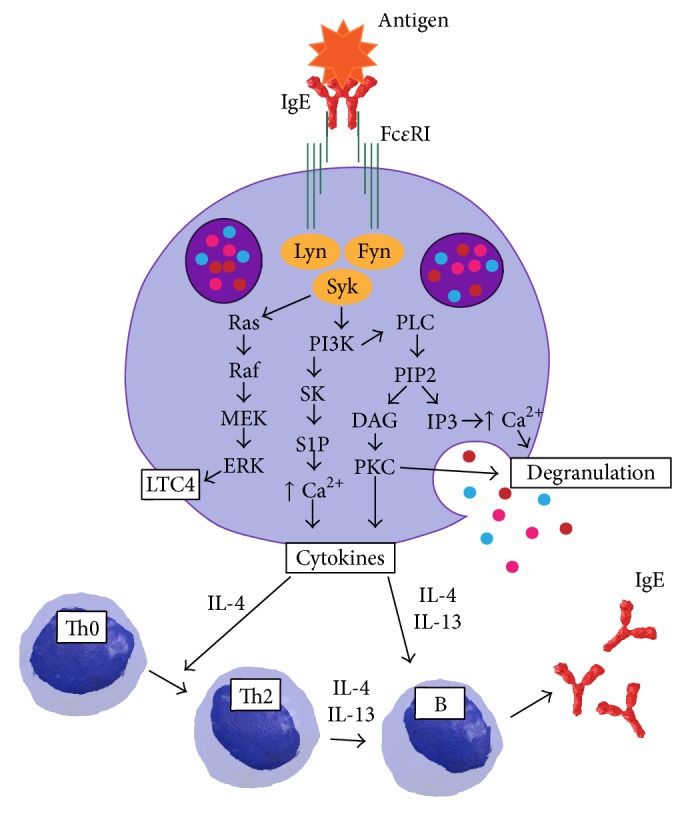
Being discovered long ago basophils have been neglected for more than a century. During the past decade evidence emerged that basophils share features of innate and adaptive immunity. Nowadays, basophils are best known for their striking effector role in the allergic reaction. They hence have been used for establishing new diagnostic tests and therapeutic approaches and for characterizing natural and recombinant allergens as well as hypoallergens, which display lower or diminished IgE-binding activity. However, it was a long way from discovery in 1879 until identification of their function in hypersensitivity reactions, including adverse drug reactions. Starting with a historical background, this review highlights the modern view on basophil biology.
嗜碱性粒细胞早在很久以前就被发现了,但在一个多世纪的时间里一直被忽视。在过去十年中,有证据表明嗜碱性粒细胞兼具固有免疫和适应性免疫的特征。如今,嗜碱性粒细胞因其在过敏反应中显著的效应作用而最为人所知。因此,它们已被用于建立新的诊断测试和治疗方法,以及鉴定天然和重组过敏原以及低过敏原,这些低过敏原显示出较低或减弱的IgE结合活性。然而,从1879年被发现到确定它们在超敏反应(包括药物不良反应)中的功能,这一路走来可谓漫长。本文从历史背景入手,重点介绍了嗜碱性粒细胞生物学的现代观点。