School of Biology and Basic Medical Sciences, Soochow University, Suzhou 215123, China.
National Engineering Laboratory for Modern Silk, Soochow University, Suzhou 215123, China.
Sci Rep. 2017 Jan 17;7:40777. doi: 10.1038/srep40777.
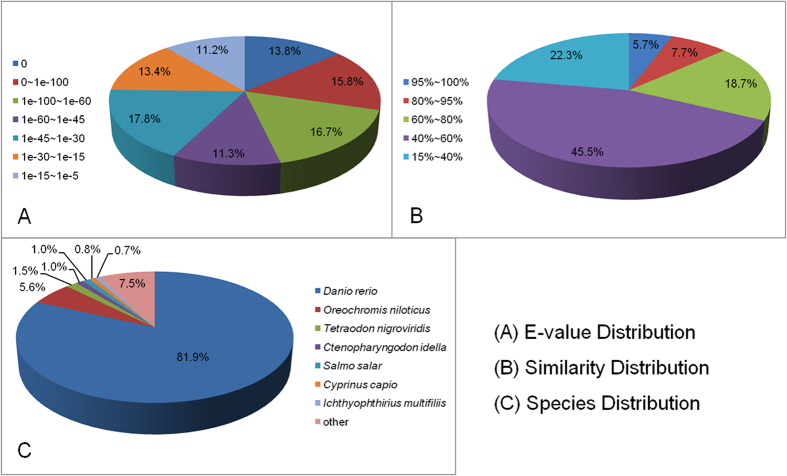
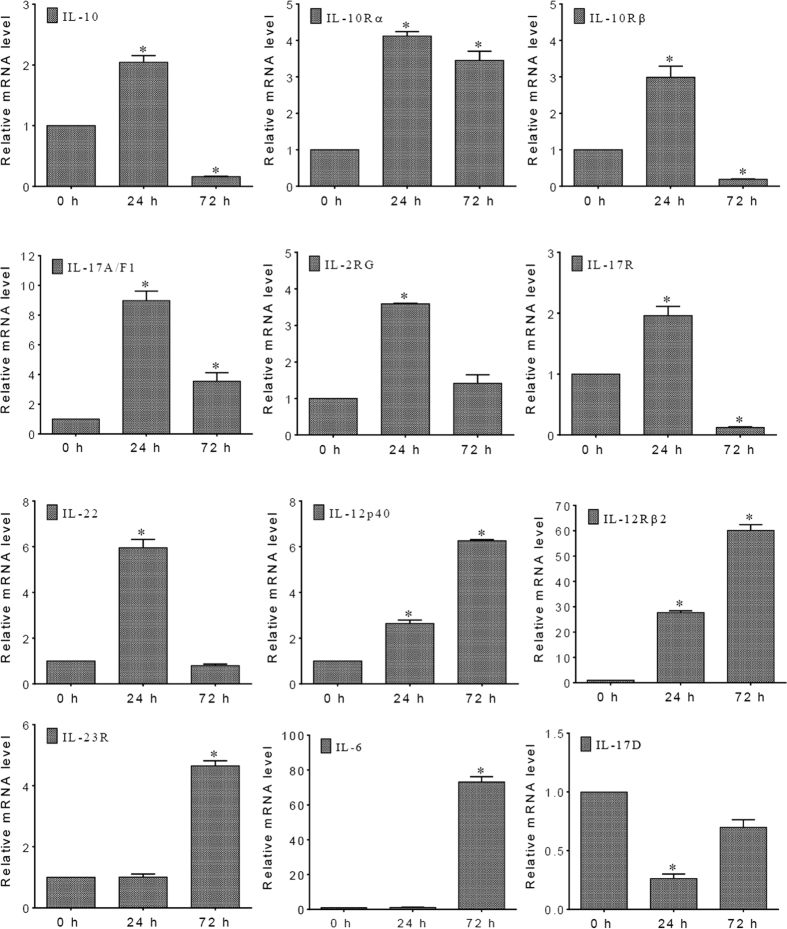
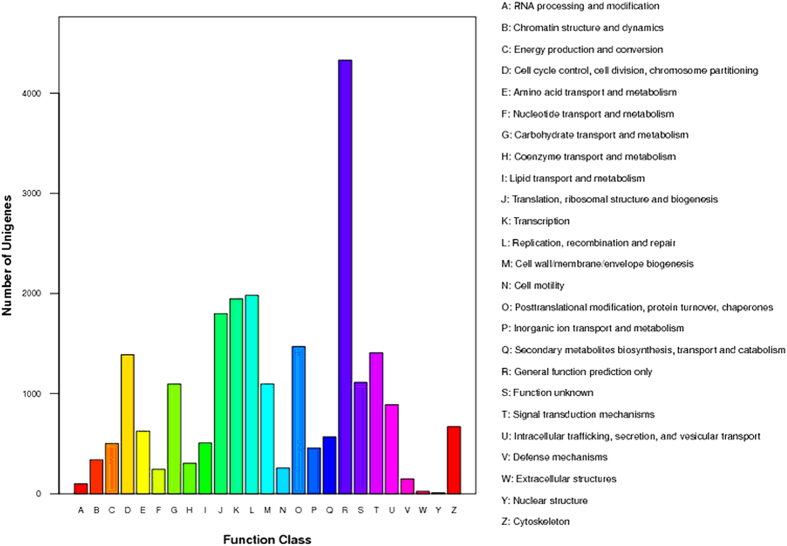
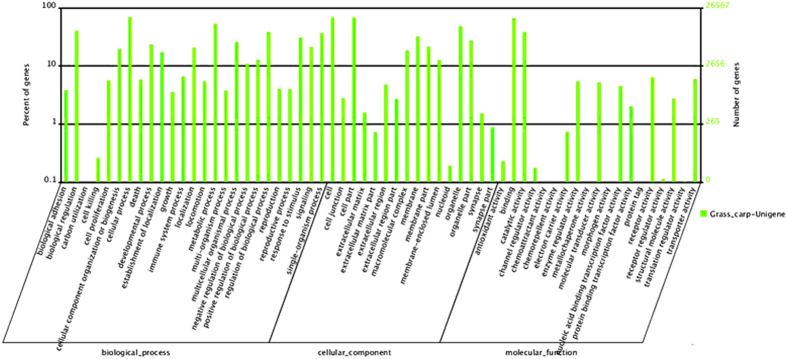
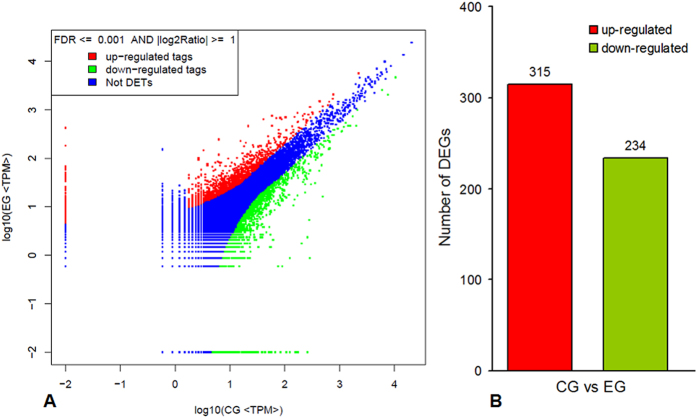
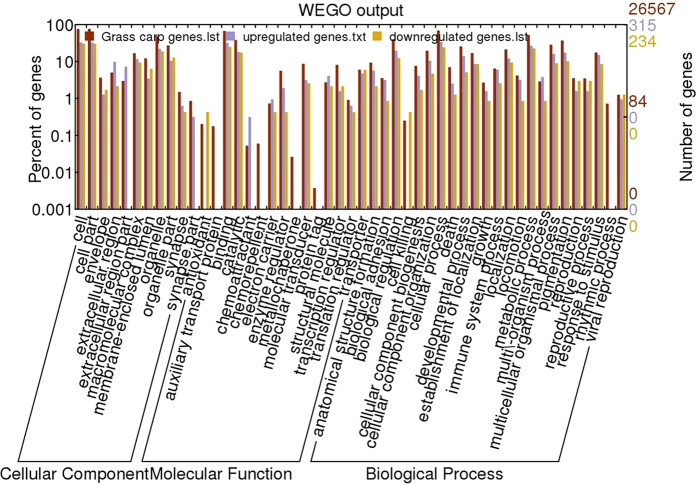
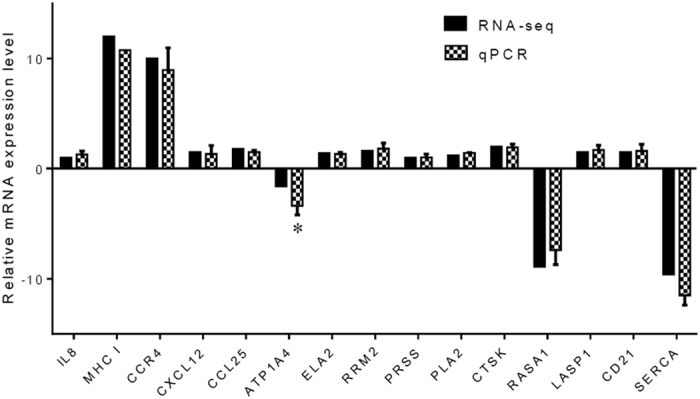
Inflammation is a protective response that is implicated in bacterial enteritis and other fish diseases. The inflammatory mechanisms behind Aeromonas hydrophila infections in fish remain poorly understood. In this study, we performed a de novo grass carp transcriptome assembly using Illumina's Solexa sequencing technique. On this basis we carried out a comparative analysis of intestinal transcriptomes from A. hydrophila-challenged and physiological saline solution (PSS/mock) -challenged fish, and 315 genes were up-regulated and 234 were down-regulated in the intestines infected with A. hydrophila. The GO enrichment analysis indicated that the differentially expressed genes were enriched to 12, 4, and 8 GO terms in biological process, molecular function, and cellular component, respectively. A KEGG analysis showed that 549 DEGs were involved in 165 pathways. Moreover, 15 DEGs were selected for quantitative real-time PCR analysis to validate the RNA-seq data. The results confirmed the consistency of the expression levels between RNA-seq and qPCR data. In addition, a time-course analysis of the mRNA expression of 12 inflammatory genes further demonstrated that the intestinal inflammatory responses to A. hydrophila infection simultaneously modulated gene expression variations. The present study provides intestine-specific transcriptome data, allowing us to unravel the mechanisms of intestinal inflammation triggered by bacterial pathogens.
炎症是一种保护反应,与细菌性肠炎和其他鱼类疾病有关。鱼类中嗜水气单胞菌感染的炎症机制仍知之甚少。在这项研究中,我们使用 Illumina 的 Solexa 测序技术进行了草鱼从头转录组组装。在此基础上,我们对嗜水气单胞菌感染和生理盐水(PSS/模拟)感染草鱼的肠道转录组进行了比较分析,发现感染嗜水气单胞菌的草鱼肠道中有 315 个基因上调,234 个基因下调。GO 富集分析表明,差异表达基因在生物学过程、分子功能和细胞成分方面分别富集到 12、4 和 8 个 GO 术语。KEGG 分析显示,549 个 DEGs 参与了 165 个途径。此外,选择了 15 个 DEGs 进行定量实时 PCR 分析以验证 RNA-seq 数据。结果证实了 RNA-seq 和 qPCR 数据之间表达水平的一致性。此外,12 个炎症基因的时间过程分析进一步表明,细菌病原体感染引起的肠道炎症反应同时调节基因表达的变化。本研究提供了肠道特异性转录组数据,使我们能够揭示由细菌病原体引发的肠道炎症的机制。