Karpatkin Herb I, Cohen Evan T, Klein Sarah, Park David, Wright Charles, Zervas Michael
Department of Physical Therapy, Hunter College, City University of New York, 425 East 25th Street, New York, NY, USA.
Department of Rehabilitation and Movement Sciences, School of Health Professions, Rutgers, The State University of New Jersey, 40 East Laurel Road, Suite 2105, Stratford, NJ 08084, USA.
Mult Scler Int. 2016;2016:5235971. doi: 10.1155/2016/5235971. Epub 2016 Dec 26.
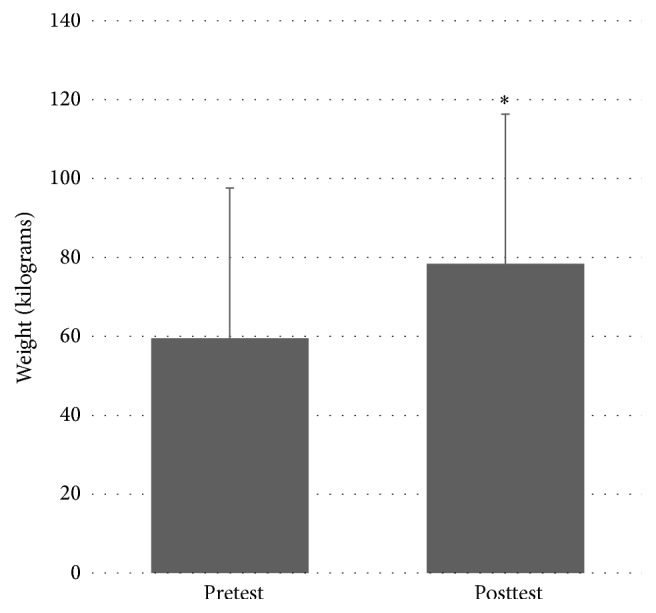
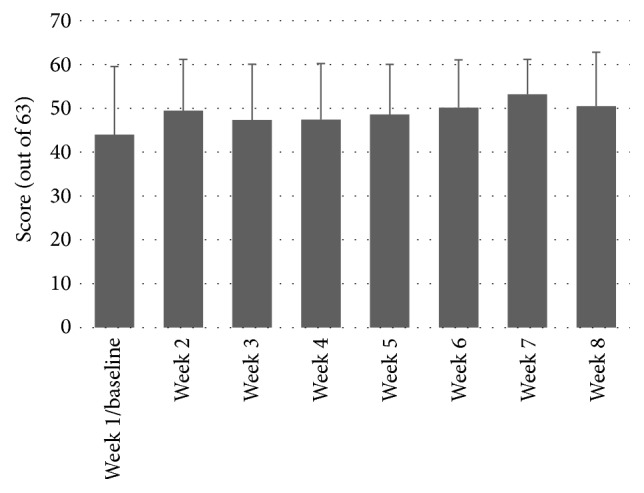
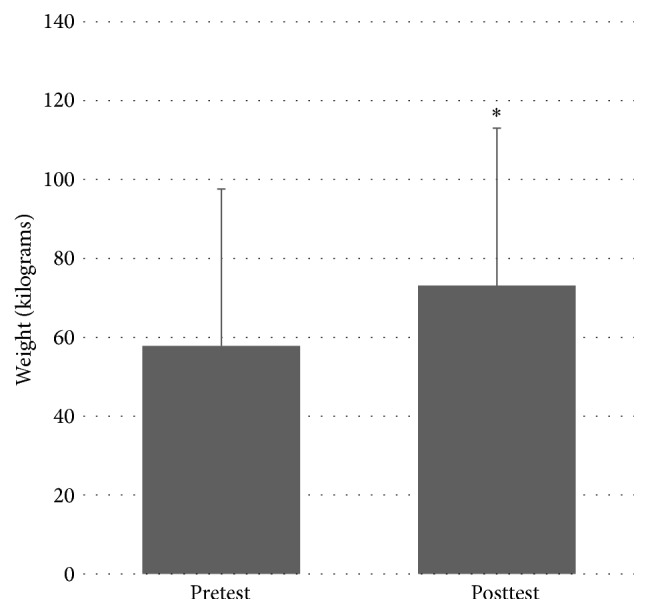
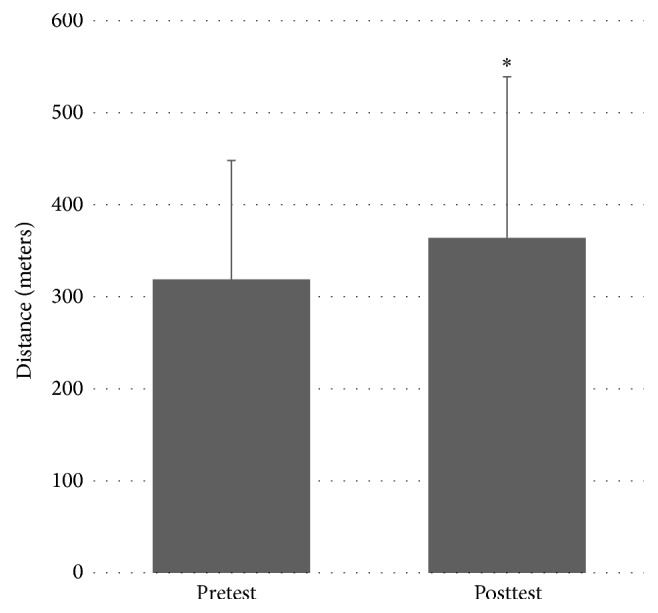
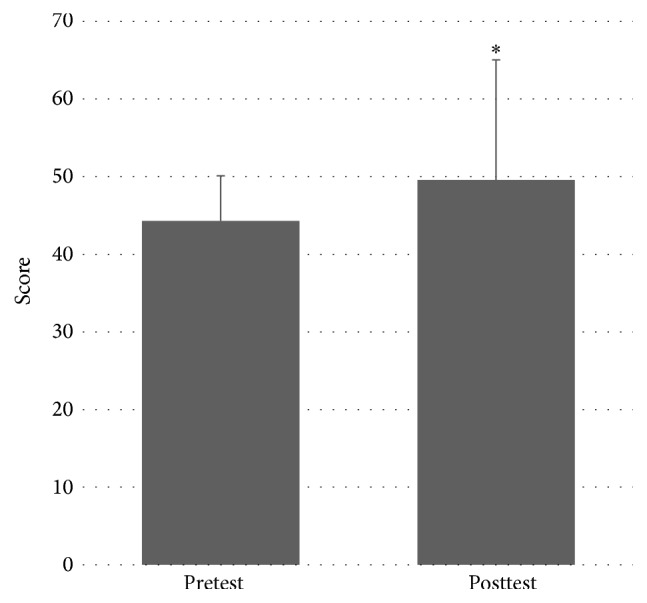
There is little literature examining the use of maximal strength training (MST) in people with multiple sclerosis (pwMS). This pretest-posttest study examined the effects of a MST program on strength, walking, balance, and fatigue in a sample of pwMS. Seven pwMS (median EDSS 3.0, IQR 1.5) participated in a MST program twice weekly for eight weeks. Strength was assessed with 1-repetition maximum (1RM) on each leg. Walking and balance were measured with the 6-Minute Walk Test (6MWT) and Berg Balance Scale (BBS), respectively. Fatigue was measured during each week of the program with the Fatigue Severity Scale (FSS). The program was well tolerated, with an attendance rate of 96.4%. Participants had significant improvements in right leg 1RM ((6) = -6.032, = 0.001), left leg 1RM ((6) = -5.388, = 0.002), 6MWT distance ((6) = -2.572, = 0.042), and BBS score ( = -2.371, = 0.018) after the MST intervention. There was no significant change in FSS scores ((1, 3.312) = 2.411, = 0.092). Participants in the MST program experienced improved balance and walking without an increase in fatigue. This MST program may be utilized by rehabilitation clinicians to improve lower extremity strength, balance, and mobility in pwMS.
很少有文献研究最大力量训练(MST)在多发性硬化症患者(pwMS)中的应用。这项前后测试研究考察了一个MST项目对一组pwMS患者的力量、步行、平衡和疲劳的影响。七名pwMS患者(中位扩展残疾状态量表[EDSS]为3.0,四分位间距为1.5)每周参加两次MST项目,共持续八周。通过测量每只腿的1次重复最大值(1RM)来评估力量。分别用6分钟步行试验(6MWT)和伯格平衡量表(BBS)测量步行和平衡能力。在项目的每周期间,用疲劳严重程度量表(FSS)测量疲劳程度。该项目耐受性良好,出勤率为96.4%。在MST干预后,参与者的右腿1RM(t(6)= -6.032,p = 0.001)、左腿1RM(t(6)= -5.388,p = 0.002)、6MWT距离(t(6)= -2.572,p = 0.042)和BBS评分(t = -2.371,p = 0.018)均有显著改善。FSS评分没有显著变化(t(1, 3.312)= 2.411,p = 0.092)。参加MST项目的参与者平衡和步行能力得到改善,且疲劳没有增加。康复临床医生可以利用这个MST项目来改善pwMS患者的下肢力量、平衡和活动能力。