Gajendiran Anudurga, Krishnamoorthy Sharmila, Abraham Jayanthi
Microbial Biotechnology Laboratory, School of Biosciences and Technology, VIT University, Vellore, Tamil Nadu, 632014, India.
3 Biotech. 2016 Jun;6(1):52. doi: 10.1007/s13205-016-0394-x. Epub 2016 Feb 13.
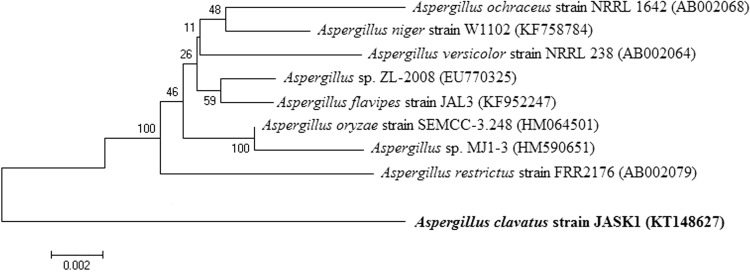
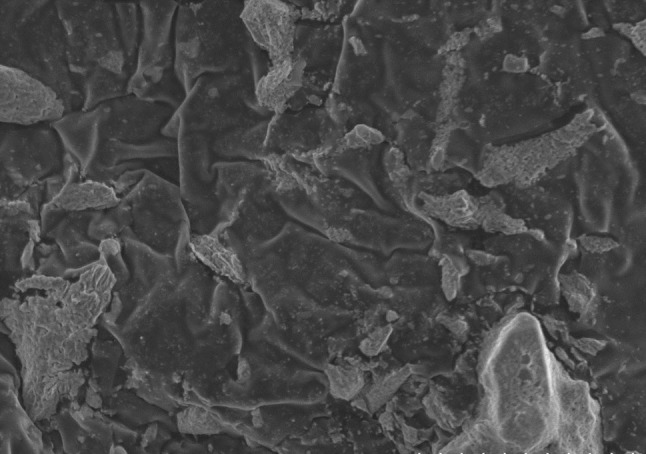
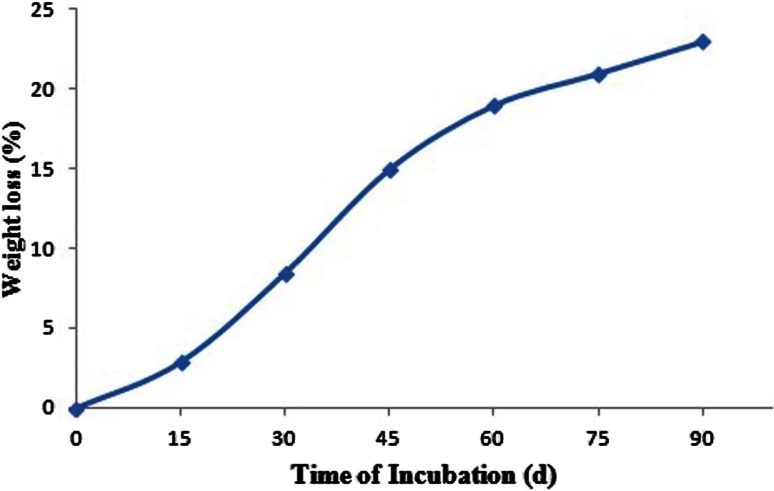
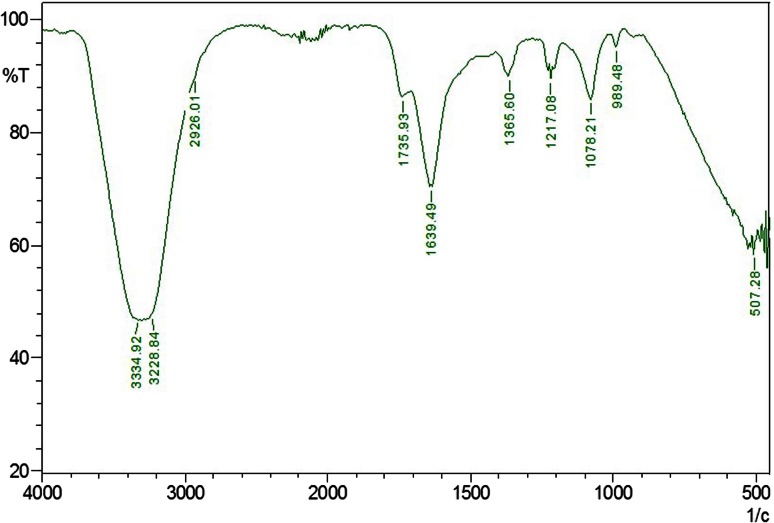
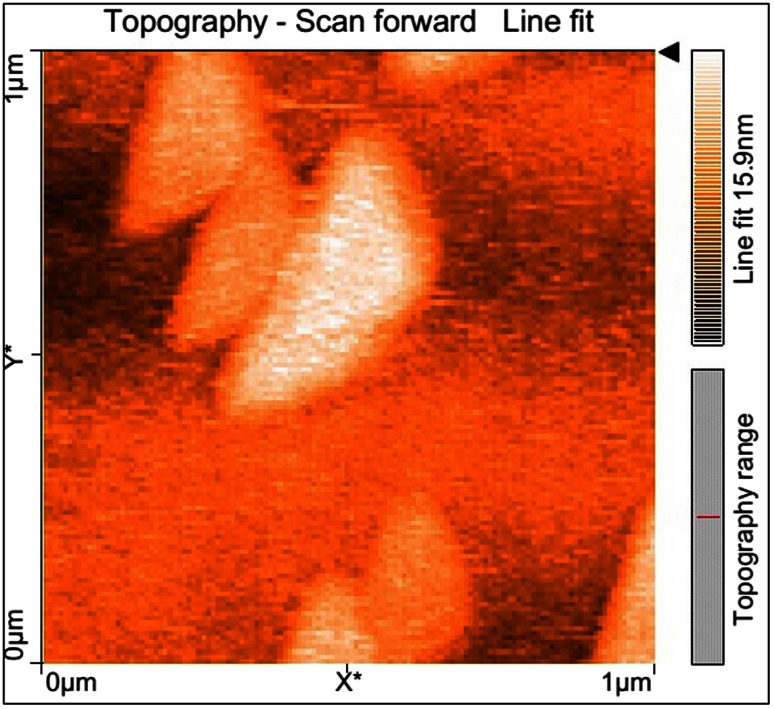
Polythene and plastic waste are found to accumulate in the environment, posing a major ecological threat. They are found to be considered non-degradable, once it enters the environment it has been found to remain there indefinitely. However, significant attention has been placed on biodegradable polymer, identification of microbes with degradative potential on plastic material. The aim of the present investigation was to biodegrade low-density polyethylene (LDPE) using potential fungi isolated from landfill soil. Based on 18S rRNA analyses the isolated strain was identified as Aspergillus clavatus. LDPE degradation by A. clavatus was monitored for 90 days of incubation in aqueous medium. The degradation was confirmed by changes in polyethylene weight, CO evolution by Strum test, infrared spectra and morphological changes by SEM and AFM analysis.
人们发现聚乙烯和塑料垃圾在环境中不断累积,构成了重大的生态威胁。它们被认为是不可降解的,一旦进入环境,就会被发现会无限期地留在那里。然而,生物可降解聚合物受到了极大关注,人们开始识别对塑料材料具有降解潜力的微生物。本研究的目的是利用从垃圾填埋场土壤中分离出的潜在真菌对低密度聚乙烯(LDPE)进行生物降解。基于18S rRNA分析,分离出的菌株被鉴定为棒曲霉。在水介质中培养90天,监测棒曲霉对LDPE的降解情况。通过聚乙烯重量的变化、斯特鲁姆试验中二氧化碳的释放、红外光谱以及扫描电子显微镜(SEM)和原子力显微镜(AFM)分析的形态变化来确认降解情况。