Stoecklein Daniel, Lore Kin Gwn, Davies Michael, Sarkar Soumik, Ganapathysubramanian Baskar
Iowa State University, Mechanical Engineering, Ames, 50011, USA.
Sci Rep. 2017 Apr 12;7:46368. doi: 10.1038/srep46368.
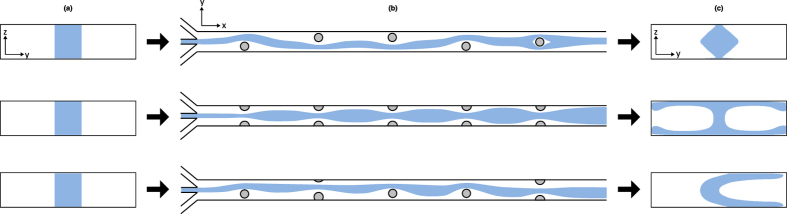
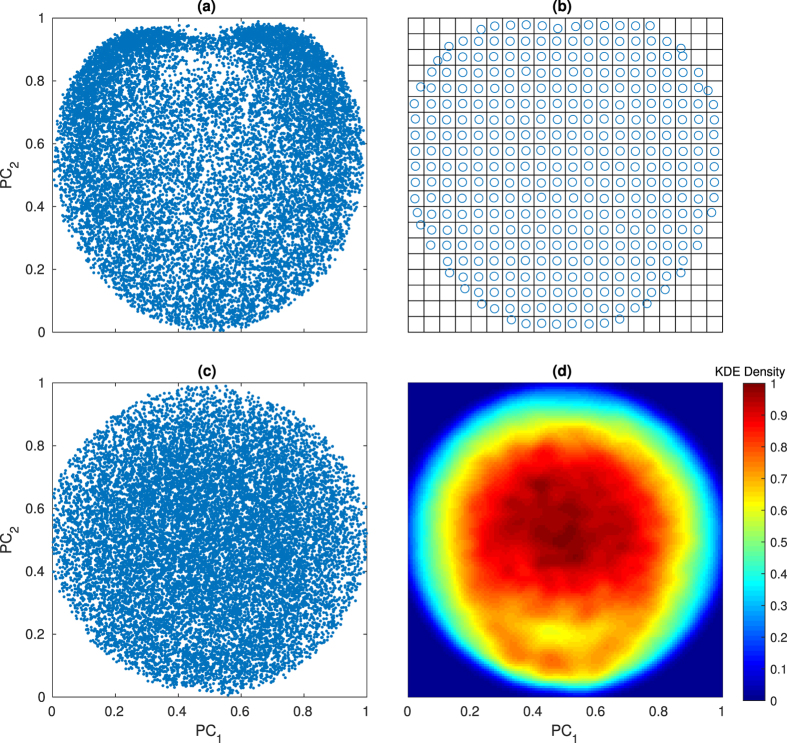
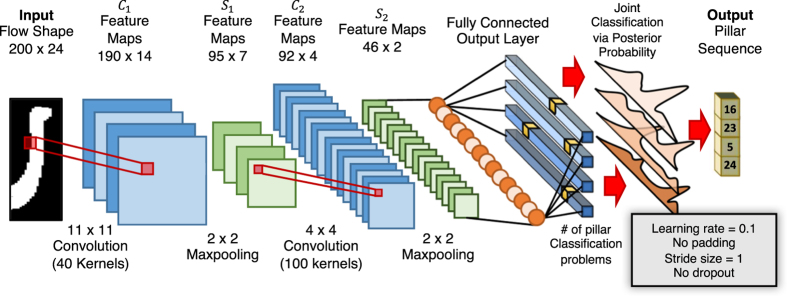
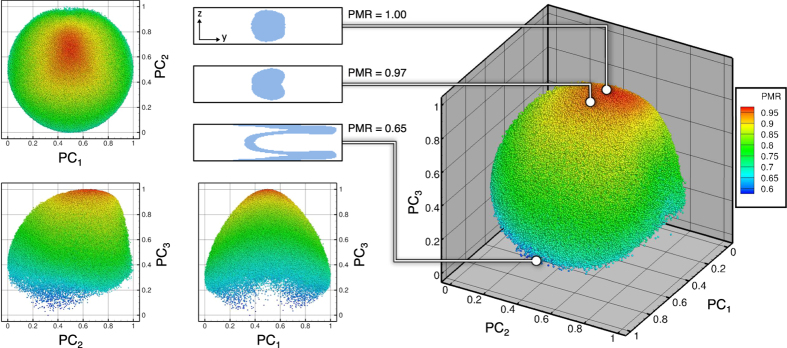
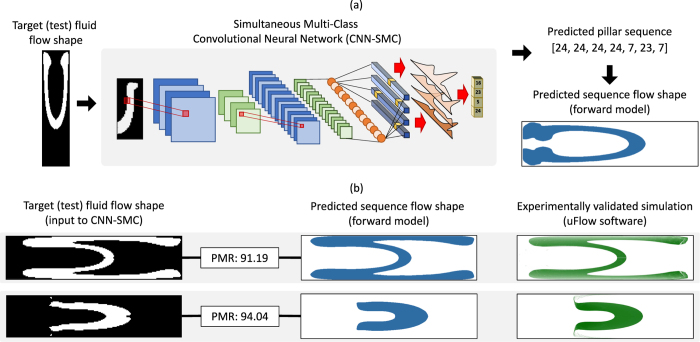
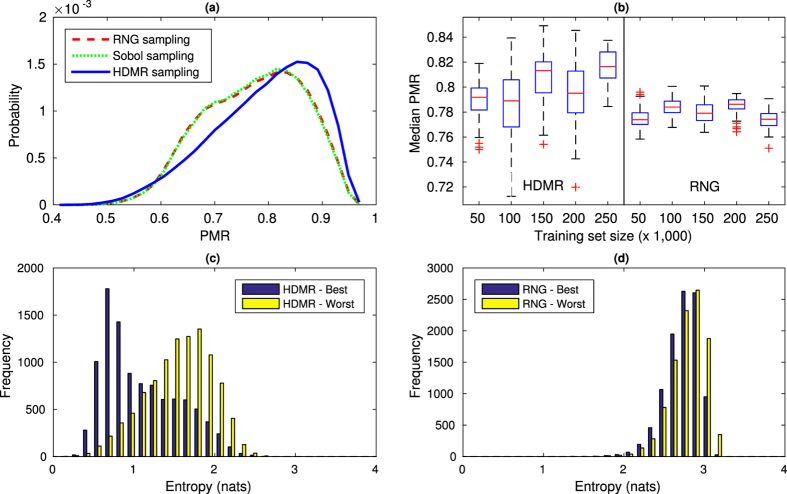
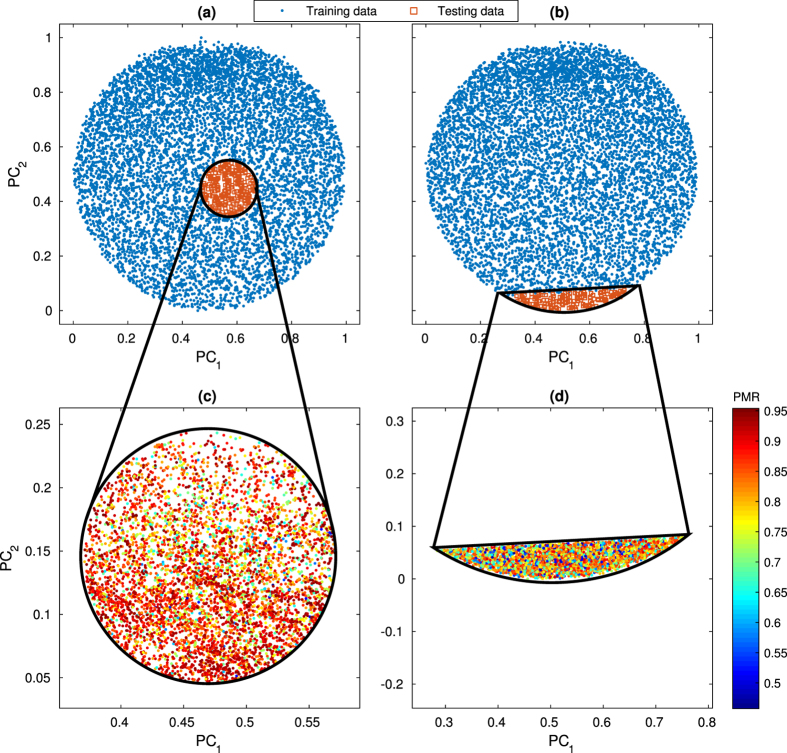
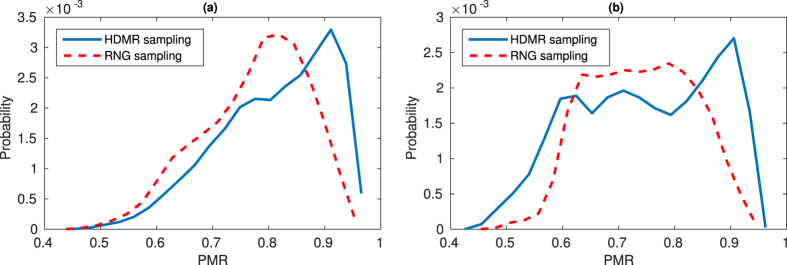
A new technique for shaping microfluid flow, known as flow sculpting, offers an unprecedented level of passive fluid flow control, with potential breakthrough applications in advancing manufacturing, biology, and chemistry research at the microscale. However, efficiently solving the inverse problem of designing a flow sculpting device for a desired fluid flow shape remains a challenge. Current approaches struggle with the many-to-one design space, requiring substantial user interaction and the necessity of building intuition, all of which are time and resource intensive. Deep learning has emerged as an efficient function approximation technique for high-dimensional spaces, and presents a fast solution to the inverse problem, yet the science of its implementation in similarly defined problems remains largely unexplored. We propose that deep learning methods can completely outpace current approaches for scientific inverse problems while delivering comparable designs. To this end, we show how intelligent sampling of the design space inputs can make deep learning methods more competitive in accuracy, while illustrating their generalization capability to out-of-sample predictions.
一种称为流动塑形的微流体流动塑形新技术,提供了前所未有的被动流体流动控制水平,在推进微尺度制造、生物学和化学研究方面具有潜在的突破性应用。然而,有效地解决为所需流体流动形状设计流动塑形装置的反问题仍然是一个挑战。当前的方法在多对一的设计空间中面临困难,需要大量的用户交互以及建立直觉的必要性,所有这些都耗费时间和资源。深度学习已成为一种用于高维空间的高效函数逼近技术,并为反问题提供了快速解决方案,但其在类似定义问题中的实现科学仍 largely 未被探索。我们提出深度学习方法在提供可比设计的同时,可以完全超越当前用于科学反问题的方法。为此,我们展示了设计空间输入的智能采样如何使深度学习方法在准确性方面更具竞争力,同时说明了它们对样本外预测的泛化能力。