Sasaki Kengo, Sasaki Daisuke, Okai Naoko, Tanaka Kosei, Nomoto Ryohei, Fukuda Itsuko, Yoshida Ken-Ichi, Kondo Akihiko, Osawa Ro
Graduate School of Science, Technology and Innovation, Kobe University, 1-1 Rokkodai-cho, Nada-ku, Kobe, Hyogo, Japan.
Organization of Advanced Science and Technology, Kobe University, 1-1 Rokkodai-cho, Nada-ku, Kobe, Hyogo, Japan.
PLoS One. 2017 Jul 10;12(7):e0180991. doi: 10.1371/journal.pone.0180991. eCollection 2017.
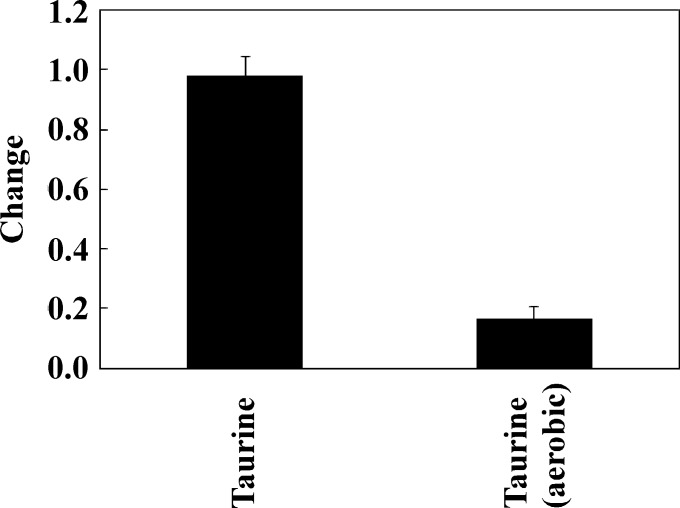
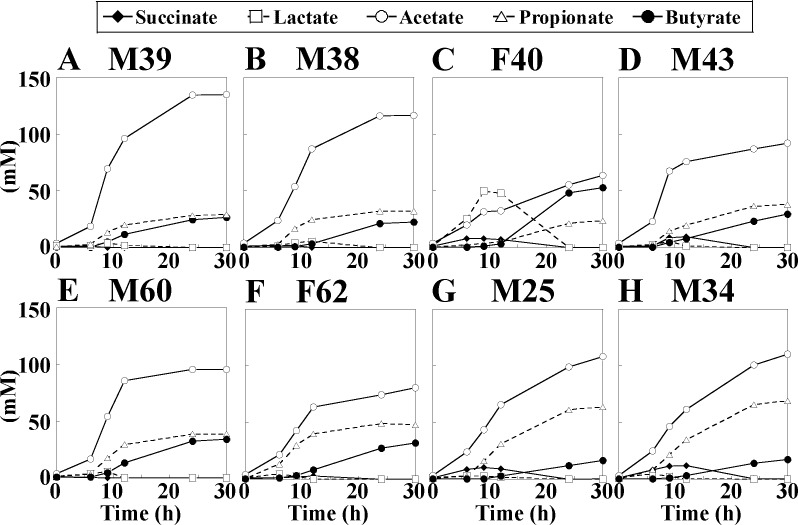
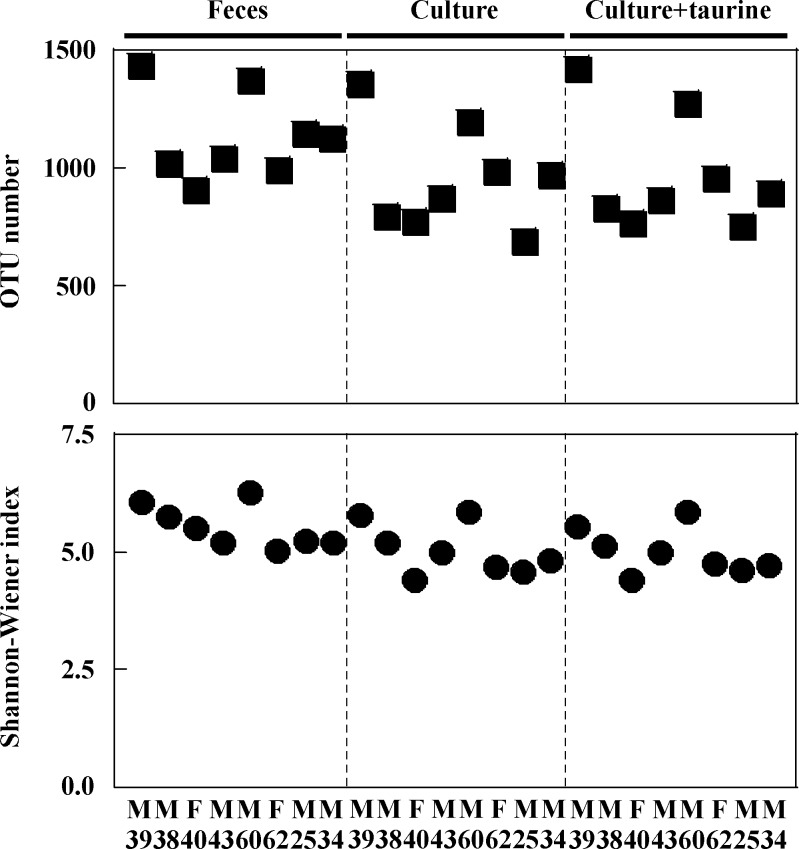
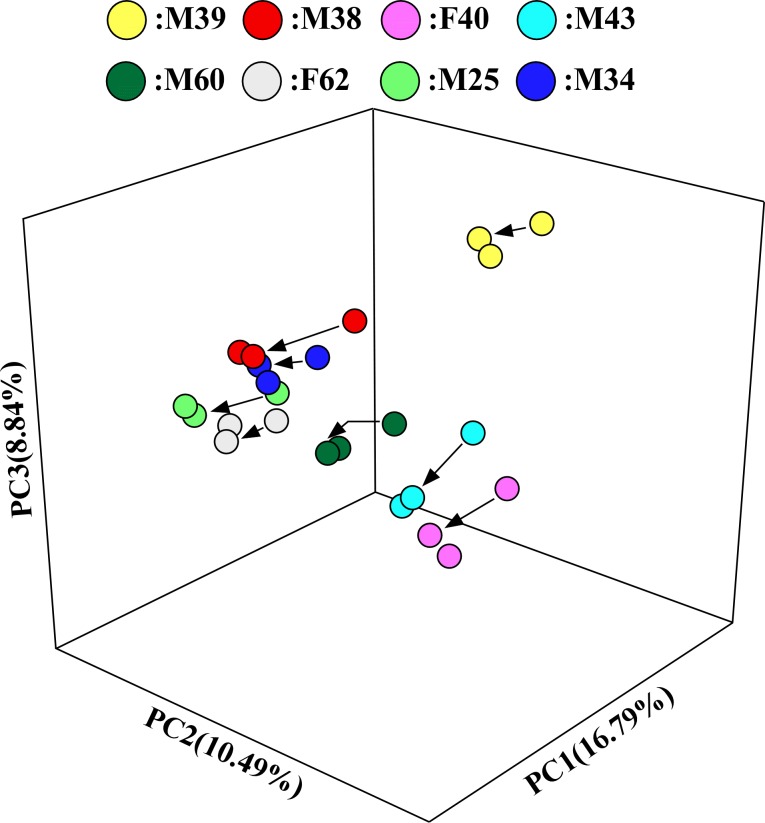
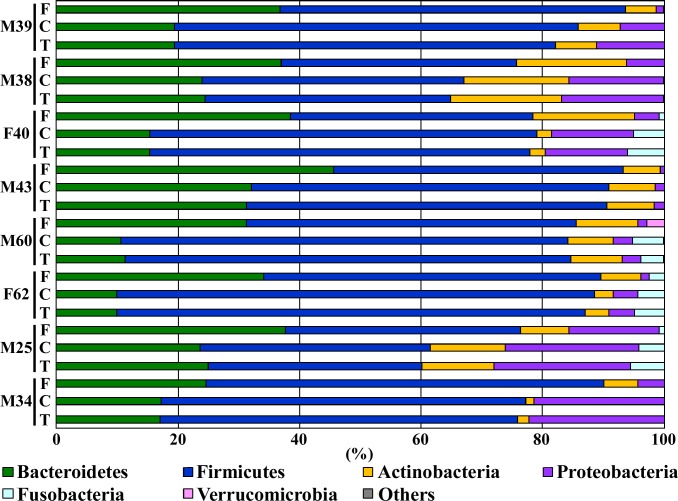
Accumulating evidence suggests that dietary taurine (2-aminoethanesulfonic acid) exerts beneficial anti-inflammatory effects in the large intestine. In this study, we investigated the possible impact of taurine on human colonic microbiota using our single-batch fermentation system (Kobe University Human Intestinal Microbiota Model; KUHIMM). Fecal samples from eight humans were individually cultivated with and without taurine in the KUHIMM. The results showed that taurine remained largely undegraded after 30 h of culturing in the absence of oxygen, although some 83% of the taurine was degraded after 30 h of culturing under aerobic conditions. Diversity in bacterial species in the cultures was analyzed by 16S rRNA gene sequencing, revealing that taurine caused no significant change in the diversity of the microbiota; both operational taxonomic unit and Shannon-Wiener index of the cultures were comparable to those of the respective source fecal samples. In addition, principal coordinate analysis indicated that taurine did not alter the composition of bacterial species, since the 16S rRNA gene profile of bacterial species in the original fecal sample was maintained in each of the cultures with and without taurine. Furthermore, metabolomic analysis revealed that taurine did not affect the composition of short-chain fatty acids produced in the cultures. These results, under these controlled but artificial conditions, suggested that the beneficial anti-inflammatory effects of dietary taurine in the large intestine are independent of the intestinal microbiota. We infer that dietary taurine may act directly in the large intestine to exert anti-inflammatory effects.
越来越多的证据表明,膳食中的牛磺酸(2-氨基乙磺酸)在大肠中具有有益的抗炎作用。在本研究中,我们使用单批次发酵系统(神户大学人类肠道微生物群模型;KUHIMM)研究了牛磺酸对人类结肠微生物群的可能影响。在KUHIMM中,分别对来自八名人类的粪便样本在添加和不添加牛磺酸的情况下进行培养。结果表明,在无氧条件下培养30小时后,牛磺酸在很大程度上未被降解,尽管在有氧条件下培养30小时后约83%的牛磺酸被降解。通过16S rRNA基因测序分析培养物中细菌种类的多样性,结果显示牛磺酸对微生物群的多样性没有显著影响;培养物的操作分类单元和香农-维纳指数与各自的粪便样本相当。此外,主坐标分析表明牛磺酸不会改变细菌种类的组成,因为在添加和不添加牛磺酸的培养物中,原始粪便样本中细菌种类的16S rRNA基因图谱均得以保持。此外,代谢组学分析表明牛磺酸不会影响培养物中产生的短链脂肪酸的组成。在这些受控但人工的条件下,这些结果表明膳食牛磺酸在大肠中的有益抗炎作用与肠道微生物群无关。我们推断膳食牛磺酸可能直接在大肠中发挥抗炎作用。