Cang Zixuan, Wei Guo-Wei
Department of Mathematics, Michigan State University, East Lansing, MI 48824, USA.
Department of Biochemistry and Molecular Biology, Michigan State University, East Lansing, MI 48824, USA.
PLoS Comput Biol. 2017 Jul 27;13(7):e1005690. doi: 10.1371/journal.pcbi.1005690. eCollection 2017 Jul.
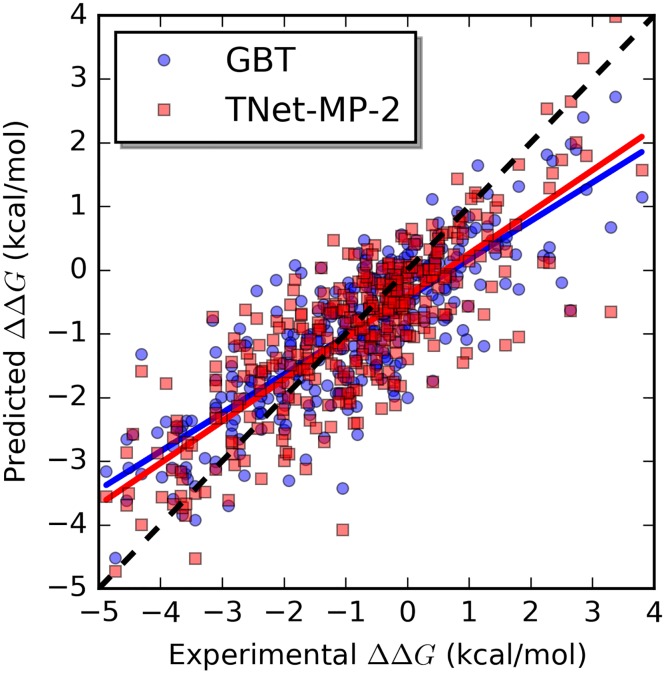
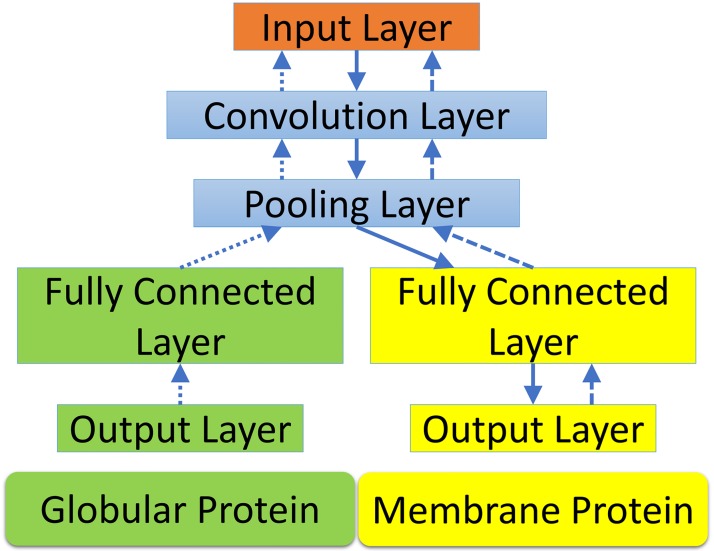
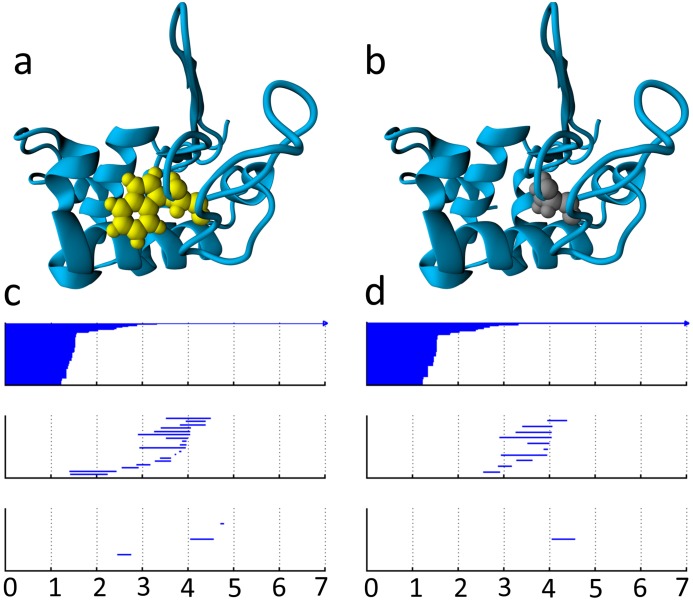
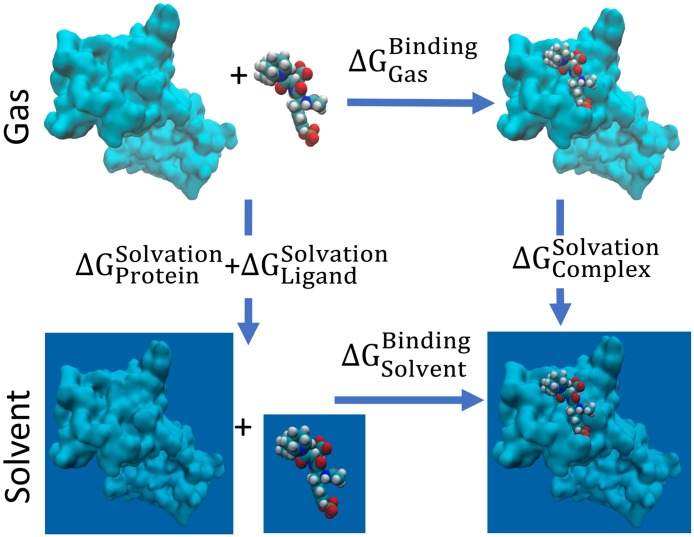
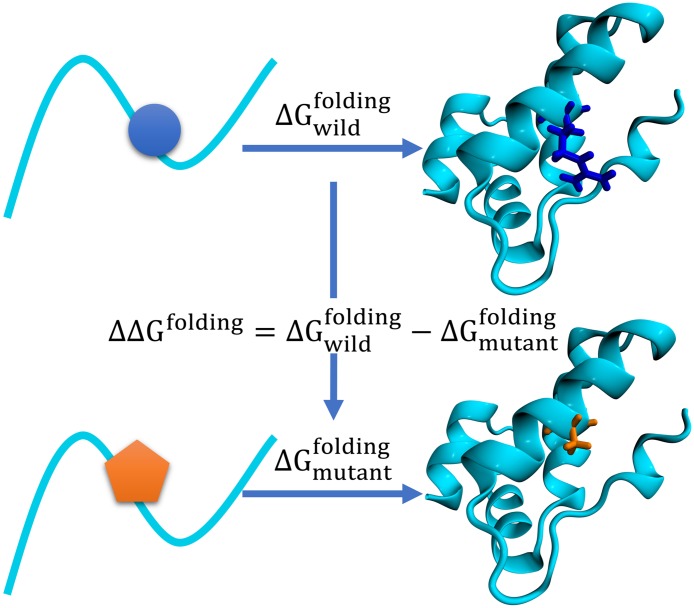
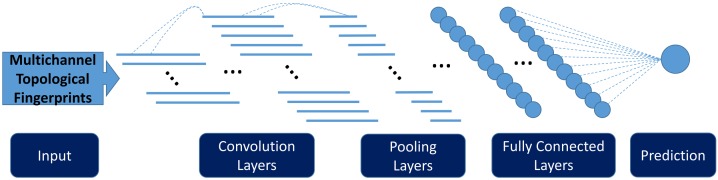
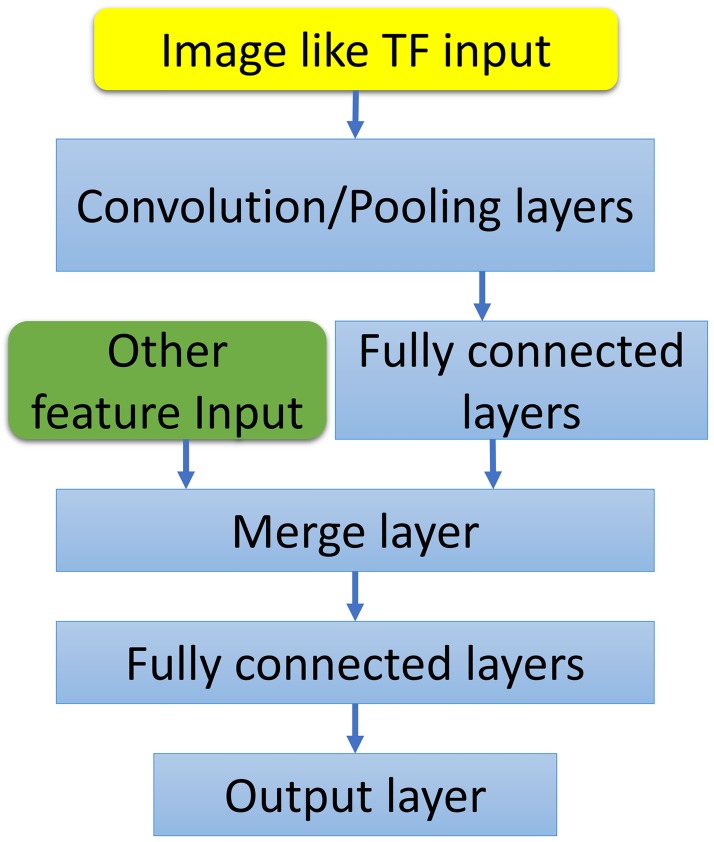
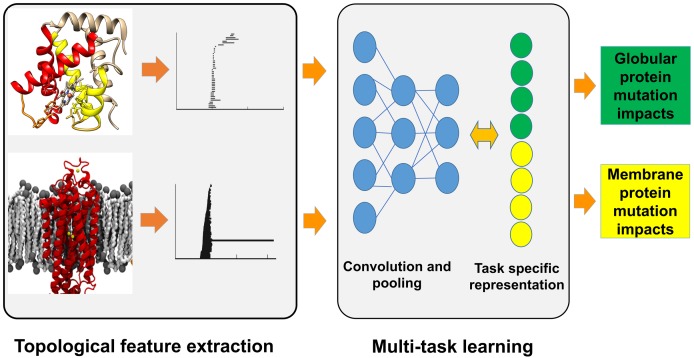
Although deep learning approaches have had tremendous success in image, video and audio processing, computer vision, and speech recognition, their applications to three-dimensional (3D) biomolecular structural data sets have been hindered by the geometric and biological complexity. To address this problem we introduce the element-specific persistent homology (ESPH) method. ESPH represents 3D complex geometry by one-dimensional (1D) topological invariants and retains important biological information via a multichannel image-like representation. This representation reveals hidden structure-function relationships in biomolecules. We further integrate ESPH and deep convolutional neural networks to construct a multichannel topological neural network (TopologyNet) for the predictions of protein-ligand binding affinities and protein stability changes upon mutation. To overcome the deep learning limitations from small and noisy training sets, we propose a multi-task multichannel topological convolutional neural network (MM-TCNN). We demonstrate that TopologyNet outperforms the latest methods in the prediction of protein-ligand binding affinities, mutation induced globular protein folding free energy changes, and mutation induced membrane protein folding free energy changes.
weilab.math.msu.edu/TDL/.
尽管深度学习方法在图像、视频和音频处理、计算机视觉及语音识别方面取得了巨大成功,但其在三维(3D)生物分子结构数据集上的应用却因几何和生物学复杂性而受阻。为解决这一问题,我们引入了元素特异性持久同调(ESPH)方法。ESPH通过一维(1D)拓扑不变量来表示3D复杂几何结构,并通过类似多通道图像的表示方式保留重要的生物学信息。这种表示方式揭示了生物分子中隐藏的结构 - 功能关系。我们进一步将ESPH与深度卷积神经网络相结合,构建了一个多通道拓扑神经网络(TopologyNet),用于预测蛋白质 - 配体结合亲和力以及突变后蛋白质稳定性的变化。为克服小而有噪声的训练集带来的深度学习局限性,我们提出了一种多任务多通道拓扑卷积神经网络(MM - TCNN)。我们证明,在预测蛋白质 - 配体结合亲和力、突变诱导的球状蛋白折叠自由能变化以及突变诱导的膜蛋白折叠自由能变化方面,TopologyNet优于最新方法。
weilab.math.msu.edu/TDL/。