Nazarov Denis V, Zemtsova Elena G, Valiev Ruslan Z, Smirnov Vladimir M
Institute of Chemistry, Saint Petersburg State University, Universitetskii pr. 26, Saint Petersburg 198504, Russia.
Materials (Basel). 2015 Dec 2;8(12):8366-8377. doi: 10.3390/ma8125460.
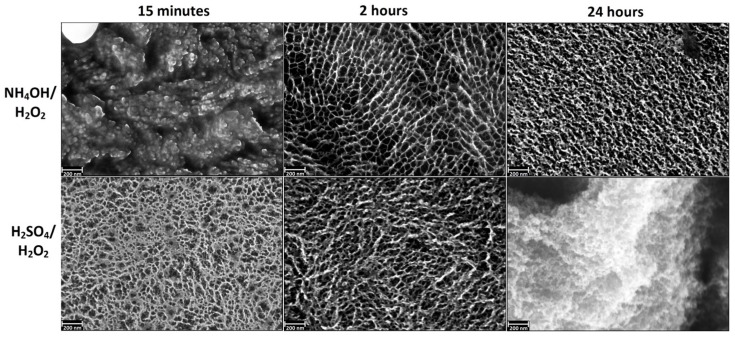
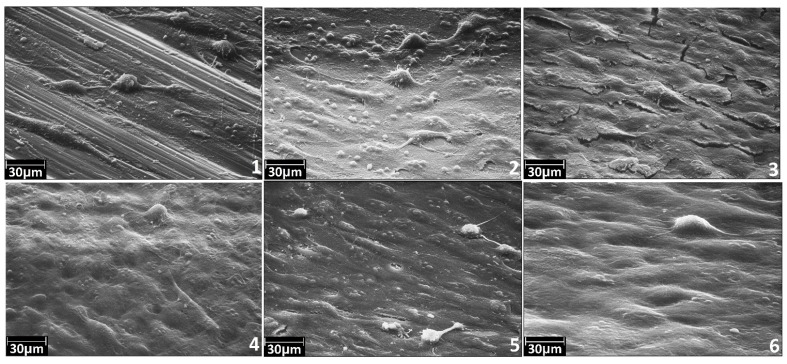
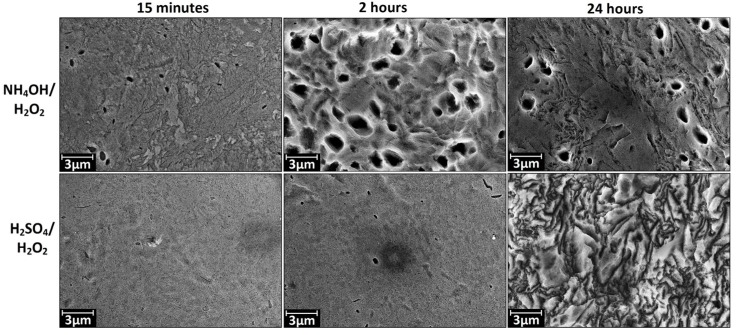
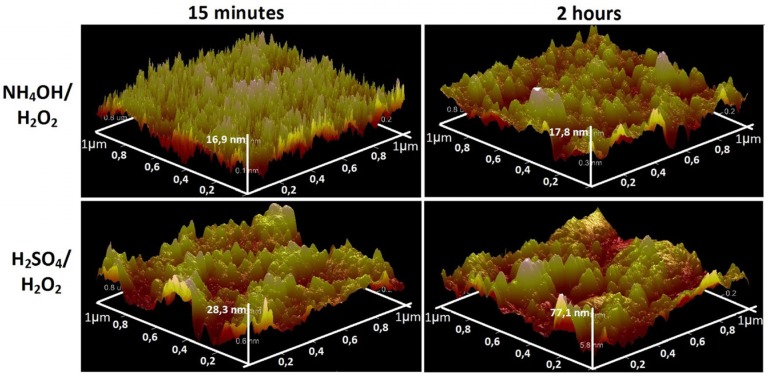
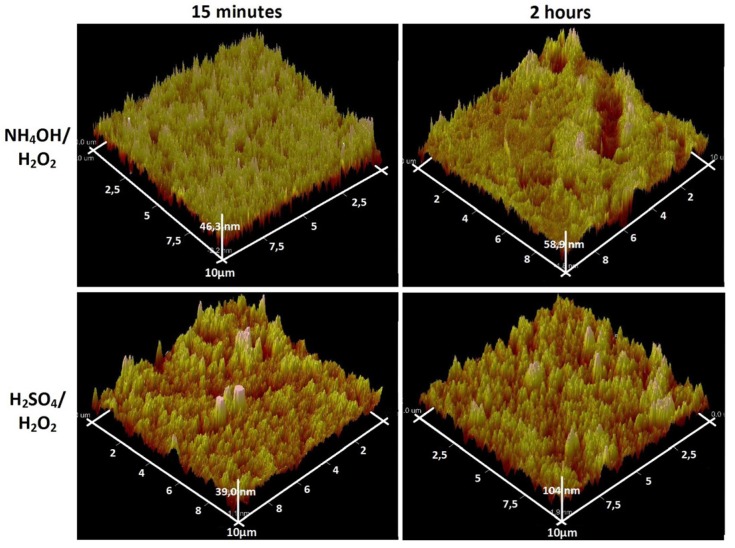
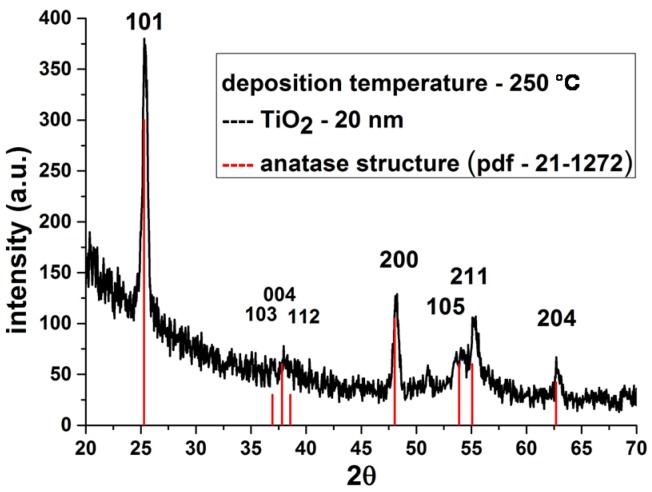
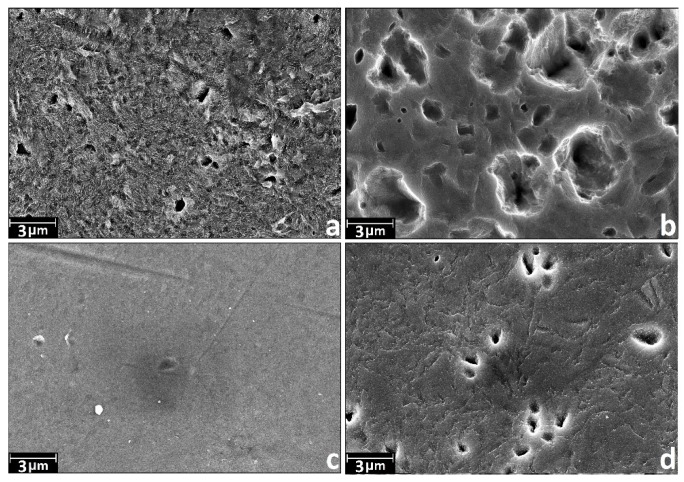
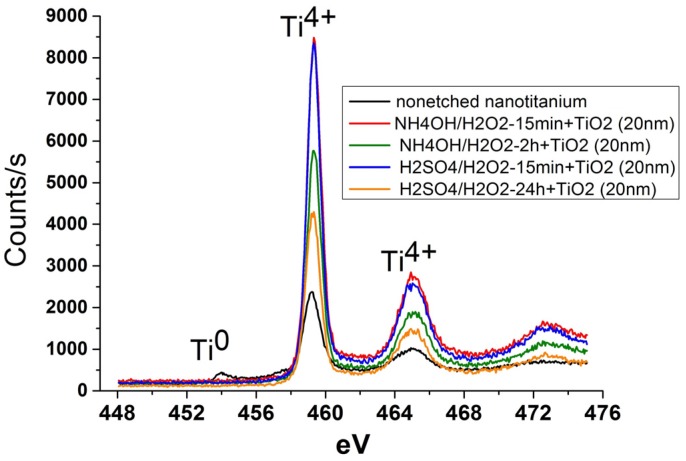
In this study, an integrated approach was used for the preparation of a nanotitanium-based bioactive material. The integrated approach included three methods: severe plastic deformation (SPD), chemical etching and atomic layer deposition (ALD). For the first time, it was experimentally shown that the nature of the etching medium (acidic or basic Piranha solutions) and the etching time have a significant qualitative impact on the nanotitanium surface structure both at the nano- and microscale. The etched samples were coated with crystalline biocompatible TiO₂ films with a thickness of 20 nm by Atomic Layer Deposition (ALD). Comparative study of the adhesive and spreading properties of human osteoblasts MG-63 has demonstrated that presence of nano- and microscale structures and crystalline titanium oxide on the surface of nanotitanium improve bioactive properties of the material.
在本研究中,采用了一种综合方法来制备纳米钛基生物活性材料。该综合方法包括三种:严重塑性变形(SPD)、化学蚀刻和原子层沉积(ALD)。首次通过实验表明,蚀刻介质的性质(酸性或碱性过硫酸溶液)和蚀刻时间对纳米钛表面在纳米和微米尺度上的结构有显著的定性影响。通过原子层沉积(ALD)在蚀刻后的样品上涂覆了厚度为20nm的结晶生物相容性TiO₂薄膜。对人成骨细胞MG-63的粘附和铺展特性的比较研究表明,纳米钛表面的纳米和微米尺度结构以及结晶氧化钛的存在改善了材料的生物活性。